
Pests
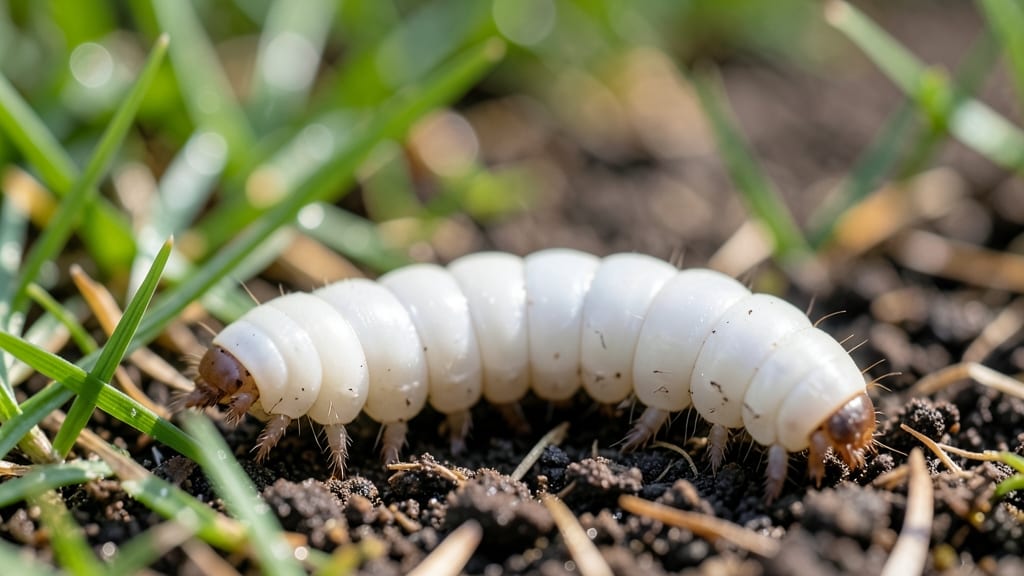
Grubs are bad for your garden because they feed on grass roots and plant stems, causing brown patches, wilting, and even plant death if left unchecked. Their larvae stage is particularly destructive to lawns and young seedlings.
Grubs—those C-shaped white larvae—wreak havoc by tunneling through soil and devouring plant roots, which weakens your garden's foundation. 🌱 The damage starts subtly with yellowing grass or wilting plants, but if ignored, entire sections can die off, leaving behind spongy, easily pullable turf.
Unlike adult beetles, these larvae are hidden underground, making them harder to spot until the damage is already visible. Their feeding disrupts soil structure too, reducing water absorption and nutrient availability for your plants.
What makes grubs especially problematic is their lifecycle: they spend most of their time underground feeding before pupating into beetles. This means the destruction happens silently, often going unnoticed until your plants show stress symptoms.
The key to protecting your garden lies in early detection—look for irregular brown patches that pull up easily—and implementing natural control methods before the damage becomes irreversible.
💡 In This Article
- How Grubs Destroy Garden Roots and Lawns
- Natural Ways to Remove Grubs from Soil Safely
How grubs destroy garden roots and lawns
The real damage begins when white grubs—larvae of beetles like Japanese beetles or June bugs—hatch from eggs laid in your soil. These 1/2-inch creatures spend 10-14 months feeding on grass roots and plant stems, creating a network of tunnels that disrupts nutrient flow.
Their chewing action weakens roots by 30-50% within weeks, leaving plants starved for water and nutrients. 🌱
Grubs target the most critical parts of your plants: the root zone and crown. For lawns, this creates classic brown patches that pull up like sod when tugged—a telltale sign of grub infestation.
In gardens, they attack young seedlings first, severing delicate roots and causing wilting even when soil appears moist. Their feeding also aerates soil poorly, creating compacted zones that suffocate beneficial microbes.
The lifecycle makes them particularly insidious. Female beetles lay 40-60 eggs per day in late spring/early summer, hatching into grubs that overwinter in the soil. By next spring, they've already done their worst before pupating into adult beetles.
This means damage compounds yearly if left uncontrolled. The key is catching them early—look for spongy turf or birds digging in your lawn (their natural predators).
Grubs also disrupt soil chemistry by excreting waste that alters pH levels locally, making it harder for plants to absorb phosphorus and nitrogen. This creates a vicious cycle: weakened roots mean less photosynthesis, which further stresses your plants.
The damage isn't just cosmetic—it's structural, compromising your garden's ability to support itself over time. 💥
Consider this comparison: A healthy lawn root system can extend 6-12 inches deep, while grub-damaged roots may only reach 1-2 inches. This shallow network can't anchor plants or access deep water reserves during droughts.
The result? Even with regular watering, your plants may still wilt because their roots can't reach moisture efficiently.
What most gardeners miss is how grubs create secondary problems. Their tunnels allow water to pool, promoting fungal growth like brown patch disease. The combined stress from root loss and fungal infections often leads to complete plant collapse in severe cases.
The good news? Their predictable lifecycle gives you windows to intervene before the worst damage occurs.