
Container Gardens
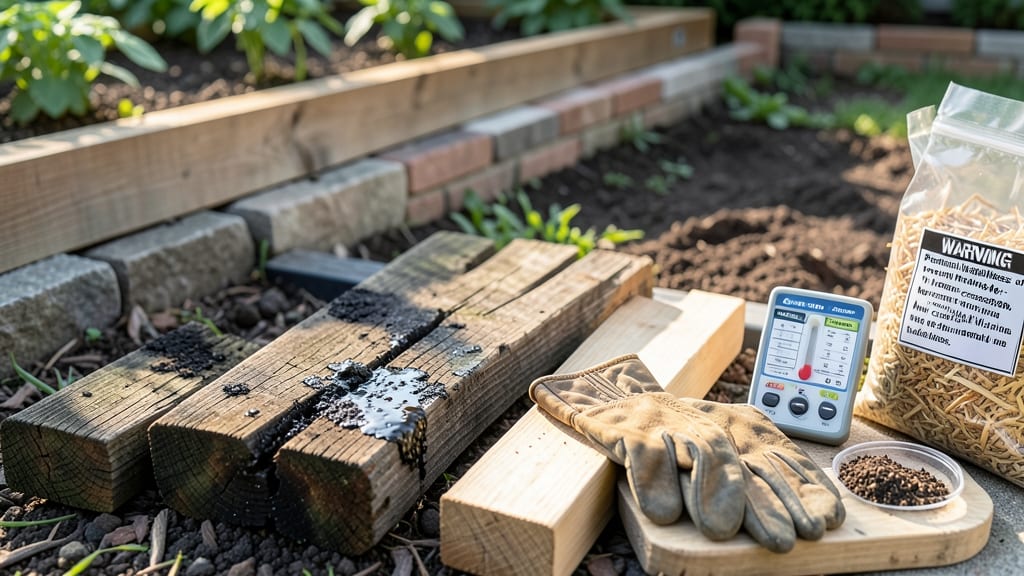
Railroad ties are generally not safe for gardens because their creosote and pesticide treatments leach into soil, damaging plant roots and creating health hazards. Choose untreated wood, composite materials, or metal borders instead for safer garden borders.
Are railroad ties safe for gardens? The short answer is no—they pose serious risks. The creosote and pentachlorophenol chemicals used to preserve these ties don't just fade away; they seep into the soil over time, stunting plant growth and contaminating root systems. 🌱 Even worse, these toxins can linger in the soil for years, making them a long-term risk rather than a quick fix. I've seen gardeners unknowingly use these ties for years before realizing their prized roses or vegetables were struggling due to chemical buildup.
If you're looking for durable, plant-friendly alternatives, consider untreated cedar (naturally resistant to rot), composite lumber (made from recycled materials), or galvanized metal edging—all of which won't leach harmful substances. These options also hold up well against weather and pests without the hidden costs to your garden's health.
💡 In This Article
- Chemical Risks of Railroad Ties in Garden Soil
- Safe Garden Border Alternatives to Railroad Ties
Chemical risks of railroad ties in garden soil
Railroad ties are treated with creosote—a coal-tar-based preservative containing over 200 toxic compounds, including polycyclic aromatic hydrocarbons (PAHs) and benzene.
These chemicals don't just sit on the surface; they slowly leach into soil at a rate of about 0.1-0.5 grams per square foot annually, depending on moisture and temperature. The process accelerates in warm, wet conditions, where water acts like a solvent, carrying toxins deeper into the root zone.
Even more concerning is pentachlorophenol (PCP), another common treatment that disrupts cellular respiration in plants.
Studies show PCP concentrations can reach 50-100 parts per million (ppm) in soil near treated ties—far exceeding the 0.1 ppm threshold considered safe for edible crops. 🌱 The toxins don't just harm plants; they can bioaccumulate in vegetables like tomatoes or lettuce, posing risks to humans and pets through ingestion or skin contact.
What makes this particularly insidious is the half-life of these chemicals. Creosote components can persist in soil for decades, while PCP may take 5-10 years to degrade significantly. This means even if you remove the ties today, your garden could remain contaminated for years, affecting future plantings.
The Environmental Protection Agency (EPA) classifies both creosote and PCP as hazardous substances, with known links to cancer and developmental issues in long-term exposure cases.
For visual comparison, imagine sprinkling motor oil around your garden's perimeter—it would clearly harm plants. Creosote works similarly, but invisibly. The dark, oily residue you might see on ties is a dead giveaway of their chemical composition.
Even if the ties look weathered and safe, the toxins remain active in the soil, creating an invisible barrier that stunts root growth and reduces nutrient uptake.
Here's what happens at the cellular level: PAHs in creosote interfere with plant enzymes responsible for photosynthesis and respiration.
You'll notice stunted growth, yellowing leaves, and poor flowering—symptoms that mimic nutrient deficiencies but are actually toxicity signs. 💛 The roots themselves become brittle and less effective at absorbing water, leading to wilting even when soil appears moist.
For gardeners with pets, the risks extend beyond plants. Dogs and cats are particularly vulnerable to creosote poisoning, which can cause vomiting, lethargy, and even organ damage if they dig near contaminated soil.
The EPA warns that children playing in gardens with treated ties are at higher risk of skin absorption and accidental ingestion of soil particles.