
Pests
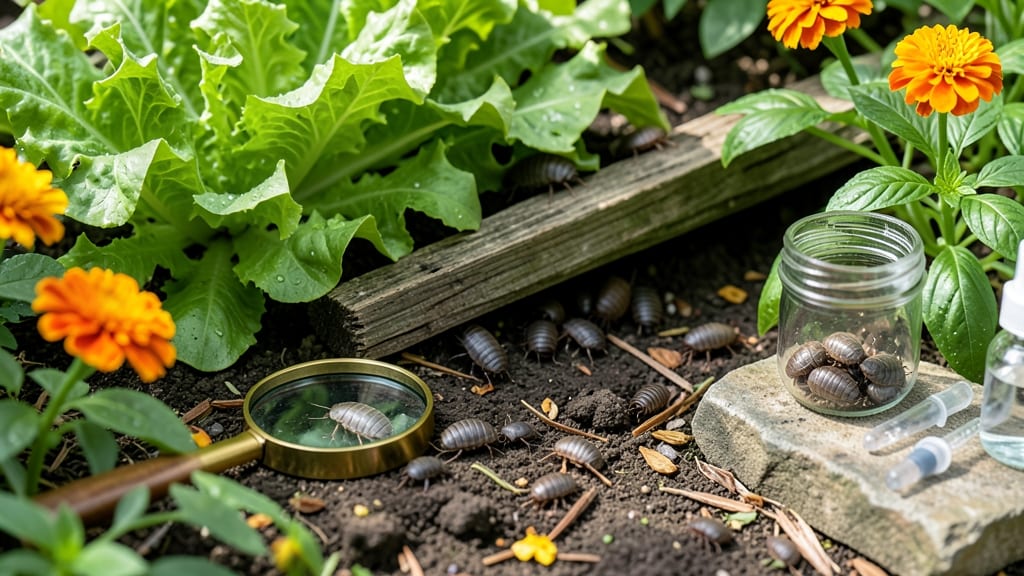
Rollie pollies (pill bugs) are not bad for gardens—they break down organic matter, aerate soil, and deter pests by eating decaying plant material and fungal growth, though they may occasionally nibble on young seedlings or tender roots in overpopulated areas.
Rollie pollies actually play a helpful role in most gardens by acting like tiny recyclers. 💫 These soil-dwelling critters decompose fallen leaves and plant debris, turning them into nutrient-rich compost that feeds your soil. Their tunneling habits improve drainage and aeration, similar to earthworms but on a smaller scale.
The real key is balance—while they rarely cause major damage, their numbers can spike in damp, shaded areas, which is when they might nibble on delicate seedlings.
If you notice an overpopulation, try simple fixes like reducing mulch piles or adding a thin layer of diatomaceous earth around vulnerable plants. Most gardeners find these little helpers far more beneficial than harmful, especially when compared to pests like slugs or grubs.
💡 In This Article
- How Rollie Pollies Benefit Garden Soil Health
- Managing Rollie Pollies When They Become a Nuisance
How rollie pollies benefit garden soil health
Rollie pollies, also called pill bugs, act as nature's tiny composters by breaking down organic matter with their strong mandibles. These creatures primarily feed on decaying leaves, dead plant material, and fungal growth, which helps recycle nutrients back into the soil.
Their digestive process releases enzymes that accelerate decomposition, similar to how earthworms enhance soil fertility but on a smaller scale.
In fact, studies show that just 100 pill bugs per square yard can process about 1 pound of leaf litter annually, making them valuable allies in maintaining healthy soil ecosystems.
Their tunneling behavior also plays a crucial role in soil aeration. As they move through the soil, they create small channels that improve water drainage and root penetration. This activity is particularly beneficial in dense or compacted soils where water tends to pool.
Unlike earthworms, which primarily live deeper underground, pill bugs operate closer to the surface, making them more effective at breaking up thatch and organic layers. Their presence can reduce the need for tilling, which often disrupts beneficial soil microbes and fungi.
One of their most underrated contributions is their role in natural pest control. By consuming fungal growth and decaying organic matter, they help prevent the buildup of pathogens that could harm plants. Their diet also includes small insects and larvae, though this is less common.
This indirect pest suppression makes them a helpful component of a balanced garden ecosystem, especially in organic gardening where chemical controls are avoided. 🌱
Rollie pollies also contribute to nutrient cycling by distributing decomposed material throughout the soil. When they feed, they excrete nutrient-rich castings that act like a slow-release fertilizer, providing essential minerals like nitrogen, phosphorus, and potassium to plants.
Their activity stimulates microbial life in the soil, creating a thriving underground community that supports plant health. This process is particularly noticeable in compost piles where pill bugs help break down coarse materials into finer, more usable compost.
While they may not be as well-known as earthworms, their impact on soil structure and fertility is significant. Unlike earthworms, which primarily benefit deeper soil layers, pill bugs focus on the surface layers where most plant roots and organic matter accumulate.
This makes them especially valuable in gardens with heavy mulch or leaf litter, where they help prevent thatch buildup and maintain a healthy soil surface. Their presence is often a sign of a thriving, biologically active garden ecosystem.
For gardeners concerned about their impact, it's important to note that pill bugs rarely cause direct harm to established plants. Their occasional nibbling on young seedlings or tender roots is usually a sign of overpopulation rather than an inherent problem.
Understanding their beneficial roles can help shift perceptions from seeing them as pests to recognizing them as valuable soil improvers. 💚