
Container Gardens
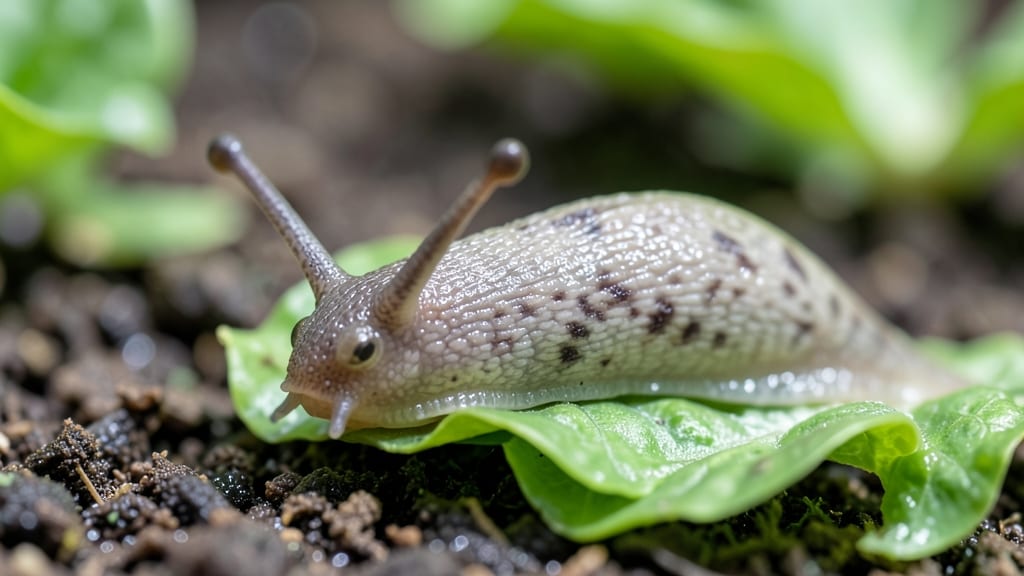
Slugs are bad for gardens because they devour leaves, stems, and flowers, leaving behind ragged holes and stunted plant growth, especially targeting young seedlings and tender foliage like lettuce and hostas.
These slimy pests can turn a thriving garden into a skeleton of chewed plants overnight. 🔥 Their favorite targets include hostas, marigolds, and basil, but they’ll happily munch on almost anything soft and moist.
What makes them particularly destructive is their ability to multiply rapidly in damp conditions, often going unnoticed until the damage is already done. Unlike snails, slugs leave no visible shells behind—just telltale slime trails and irregular bite marks that give away their presence.
If you’ve ever spotted glistening trails on your patio in the morning, you’ve likely encountered slugs at work. The good news? With the right strategies—like setting up beer traps or using copper barriers—you can protect your plants without resorting to harsh chemicals.
I’ve found that combining physical deterrents with natural predators (like frogs or ground beetles) creates the most effective long-term defense.
💡 In This Article
- How Slugs Damage Plants and Which Species They Target
- Natural and Chemical-Free Ways to Control Slugs in Gardens
How slugs damage plants and which species they target
Slugs are primarily nocturnal feeders, meaning they come out after dark to feast on your garden when you're least likely to notice. Their soft, muscular bodies allow them to squeeze into tight spaces and leave behind a silvery slime trail that's both their lubricant and their calling card.
This slime isn't just for movement—it contains mucus proteins that protect their delicate bodies from drying out and help them adhere to surfaces.
When they feed, they use their radula (a tongue-like structure covered in tiny teeth) to scrape away plant tissue in irregular patterns, unlike the clean cuts made by many insects.
The plants they target share common characteristics: they're soft-stemmed, moisture-rich, and often young or tender. Hostas, lettuce, marigolds, and basil are prime targets because their leaves contain high water content and minimal protective fibers.
Slugs can consume up to 50% of a young plant's foliage overnight, which stunts growth and leaves plants vulnerable to disease.
The damage isn't just cosmetic—slugs can also transmit bacterial and fungal pathogens through their slime, further compromising plant health. 🔥 What's particularly frustrating is how they focus on new growth first, often starting with the most tender leaves and working their way inward.
Physical signs of slug damage are distinctive if you know what to look for. Instead of the clean, sharp cuts made by caterpillars, slugs leave behind ragged, jagged edges that often have tiny holes where they've sampled the tissue.
You might also notice slime trails leading to and from feeding sites, especially in damp areas. Another telltale sign is the presence of small, irregular holes in leaves—slugs don't just eat the entire leaf, they take bites and leave the rest.
In severe infestations, you might find entire seedlings completely devoured, leaving only the stems standing.
What makes slugs particularly destructive is their reproductive cycle. A single slug can lay 50-100 eggs in damp soil, and these eggs hatch in just 2-4 weeks under ideal conditions.
The resulting slugs mature in about 6-8 weeks, meaning a small problem can become a full-blown infestation in a matter of months. The key to controlling them is catching the issue early, before their numbers spiral out of control.
Unlike some pests, slugs don't have natural predators that can keep their populations in check, which is why they often become garden villains when conditions are right.
Different slug species have slightly different preferences, but the most common garden pests—like the gray garden slug (Deroceras reticulatum)—are generalists that will eat almost anything. However, they do have favorites. For example, they particularly love nightshade family plants (tomatoes, peppers, eggplants) because these contain compounds that attract them.
They're also drawn to plants with thick, fleshy leaves that retain moisture, like succulents and some herbs. Understanding these preferences can help you implement targeted control measures and protect your most vulnerable plants first.
One often overlooked aspect of slug damage is how it affects plant regeneration. When slugs feed on leaves, they remove the plant's primary site for photosynthesis.
This forces the plant to divert energy from growth and reproduction to repairing the damage, often resulting in smaller flowers, fewer fruits, and weaker stems. In extreme cases, repeated feeding can kill young plants entirely. The worst part?
By the time you notice the damage, the slugs have often already moved on to other parts of your garden, making it a moving target for control efforts.