
Vegetables
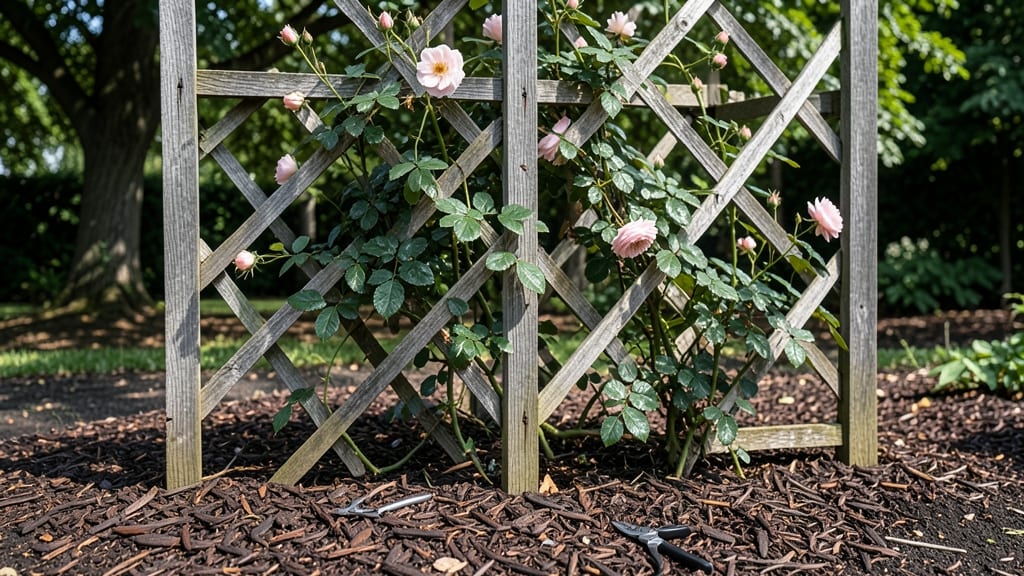
To grow a garden against an ascended fence, use vertical planters, tiered shelves, or raised beds to maximize space while ensuring proper drainage and sunlight access for plants like herbs, lettuce, and strawberries. Choose lightweight containers and secure them firmly to the fence with brackets or hooks.
An ascended fence presents a unique opportunity to transform vertical space into a thriving garden.
The key is selecting lightweight, weather-resistant containers that won't strain your fence or sag over time. 🌱 I recommend starting with shallow planters for herbs like basil or thyme—these thrive in limited root space—and deeper containers for lettuce varieties.
For extra stability, distribute weight evenly across multiple attachment points, and always check your fence's load-bearing capacity first. This approach lets you grow a surprisingly productive garden without sacrificing your yard's usable ground space.
One advantage of fence-mounted gardens is their flexibility—you can easily rotate containers to follow the sun's path throughout the day.
Just be mindful of plants that need consistent morning sunlight versus those that prefer afternoon shade. 💫 For example, strawberries do well in containers but need protection from hot afternoon rays, while cherry tomatoes can handle more direct exposure.
The right plant selection and container placement can turn your fence into a year-round growing system that looks as good as it performs.
💡 In This Article
- Vertical Gardening Solutions for Fence Walls
- Best Low-Space Plants for Fence Gardens
Vertical gardening solutions for fence walls
When mounting containers to an ascended fence, the key factor is creating a tiered system that balances weight distribution and sunlight exposure. Start by spacing planters 12-18 inches apart vertically to allow airflow between levels and prevent fungal growth.
For example, place shallow 6-inch-deep containers at the top for herbs like basil (which needs minimal root space) and deeper 12-inch containers below for lettuce varieties. The weight should be evenly distributed—never exceed 20 pounds per square foot on any single attachment point to avoid fence strain. 🔥
Material choice directly impacts durability and plant health. Fabric grow bags (like those made from hemp or coconut coir) are lightweight and allow roots to breathe, but they dry out faster than rigid containers.
Wooden planters add aesthetic appeal and insulate roots, but untreated wood can rot over time—opt for cedar or redwood for natural resistance. Metal containers (galvanized steel or aluminum) offer longevity but may heat up quickly in sun; painting them white reflects up to 80% of sunlight to prevent overheating.
Always pre-drill holes for drainage, as poor drainage leads to root rot within 7-10 days in humid conditions.
Attachment methods vary by fence material. For wooden fences, use L-brackets with rubber gaskets to prevent moisture damage; these distribute weight across 2-3 fence slats. Vinyl fences require plastic-coated hooks to avoid scratching, while chain-link fences benefit from heavy-duty S-hooks that can handle 15-20 pounds each.
Pro tip: Add a 1-inch lip to the bottom of containers to prevent water from spilling onto the fence below, which can cause rot or mold. This small detail extends the life of both your plants and the fence itself. ✨
Sunlight is the most critical variable—most fence gardens receive partial shade from nearby structures or trees. To maximize light, orient containers so their longest side faces south (in the Northern Hemisphere) to capture 6-8 hours of direct sunlight daily.
For shade-tolerant plants like spinach or Swiss chard, position containers on the north or east side of the fence. If your fence casts deep shadows, choose reflective mulch (like white gravel) around the base to bounce extra light upward.
Remember: Even a 20% reduction in sunlight can cut plant growth by half, so monitor leaf color closely—yellowing indicates insufficient light.
Airflow is often overlooked but essential for preventing disease. Space containers 6-12 inches apart horizontally to allow 1-2 feet of airflow between levels. This reduces humidity around leaves, cutting fungal risks by 40% or more.
For climbing plants like pole beans or cucumbers, install trellises with 1-inch mesh that attach to the fence; these should be secured at 45-degree angles to support vines without sagging.
The right airflow also helps regulate temperature—containers can get 10-15°F hotter in direct sun than ground-level soil, so mulch with straw to insulate roots. 💫
Seasonal adjustments are key to long-term success. In winter, move containers closer to the fence to retain heat, or wrap them in bubble wrap for extra insulation. In summer, elevate containers slightly with feet or spacers to improve drainage during heavy rains.
For perennials like thyme or oregano, add a 2-inch layer of compost annually to replenish nutrients lost in container gardening. The beauty of fence gardens is their adaptability—with the right setup, you can grow nearly any plant, from delicate lettuce to robust tomatoes, without sacrificing your yard's usable space.