
Pests and Diseases
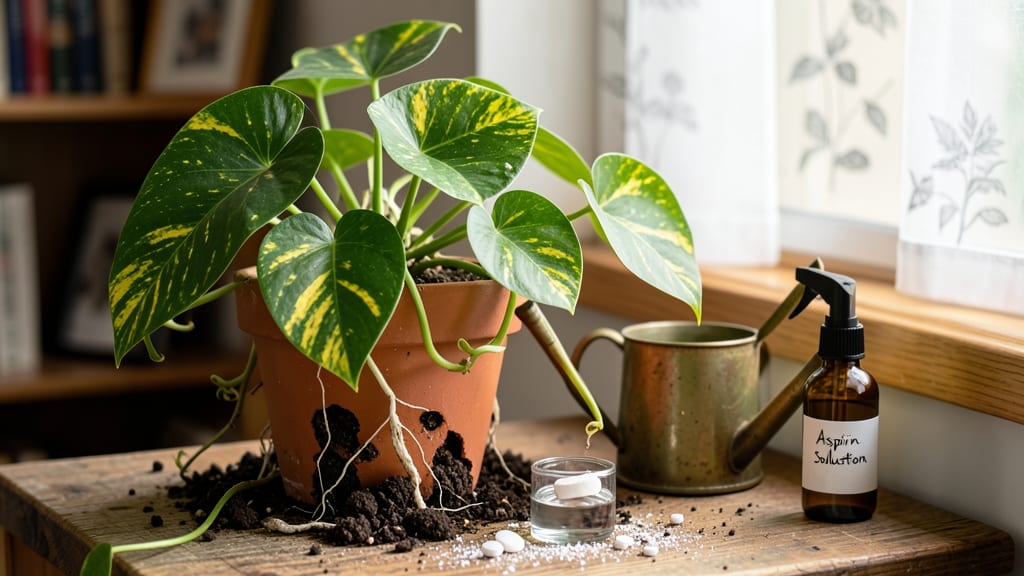
Using aspirin in your garden creates a natural pest deterrent by crushing tablets into water to form a spray that repels aphids, spider mites, and fungal infections while boosting plant immunity through salicylic acid. Apply every 7-10 days for optimal results.
This homemade solution works because aspirin's active ingredient, salicylic acid, triggers plants' natural defense mechanisms—similar to how they respond to stress or injury. 🌱 The acid disrupts pests' feeding patterns while also preventing fungal spores from germinating, making it a two-in-one remedy.
I've found it particularly effective for delicate plants like roses and tomatoes, where chemical sprays might cause damage.
For best results, use uncoated aspirin (the enteric kind won't dissolve properly) and mix 2 crushed tablets per quart of water, adding a few drops of dish soap as a surfactant to help the spray adhere to leaves.
What makes this method stand out is its dual action: it doesn't just kill pests on contact—it strengthens your plants' ability to fend off future attacks. This preventive approach aligns with organic gardening principles while being far more affordable than commercial treatments.
Just remember to test the spray on a small leaf area first to ensure your plants tolerate the solution well.
💡 In This Article
- How Aspirin Works Against Garden Pests and Fungi
- DIY Aspirin Spray Recipes for Targeted Garden Protection
How aspirin works against garden pests and fungi
The power of aspirin in the garden comes from its active ingredient, salicylic acid, which plants naturally produce when under stress. This hormone acts as a signaling molecule, triggering the plant's immune system to produce protective proteins and antioxidants.
When applied externally, salicylic acid mimics this natural response, creating a systemic acquired resistance (SAR) that helps plants fend off pests and pathogens. Studies show it can reduce fungal infections by up to 50% while deterring chewing insects like aphids through its bitter taste.
For pests, the mechanism is twofold: first, the salicylic acid disrupts their feeding patterns by altering plant cell membranes, making leaves less appealing. Second, the acid's pH level (around 3.0 when dissolved) creates an inhospitable environment for fungal spores, preventing them from germinating.
Unlike synthetic pesticides that often kill beneficial insects, aspirin spray targets only the pests while strengthening your plants' natural defenses. 🌿 This makes it particularly effective against soft-bodied insects like spider mites, which lack protective exoskeletons to shield them from the acid's effects.
The antifungal properties work by inhibiting the growth of cell walls in fungal pathogens. Research published in the Journal of Plant Pathology found that salicylic acid treatments reduced powdery mildew infections by 40-60% in susceptible plants like cucumbers and roses.
The key difference from chemical fungicides is that aspirin doesn't leave toxic residues—it simply primes your plants to resist infections better. This is why it's especially valuable for organic gardeners who want to avoid synthetic chemicals that can harm beneficial soil microbes and pollinators.
What most gardeners don't realize is that the concentration matters. While 2 crushed aspirin tablets per quart of water is a common ratio, more isn't better—excessive amounts can actually stress plants. The optimal range is 0.05-0.1% salicylic acid concentration, which is enough to trigger defenses without causing phytotoxicity.
For comparison, commercial salicylic acid plant treatments often contain similar concentrations, proving this DIY method's effectiveness when properly formulated.
Timing your applications is crucial too. Plants respond best to salicylic acid treatments when they're already under mild stress—like when you first notice pest activity or before fungal seasons (spring and fall).
The acid works fastest when applied in the early morning or late afternoon, when temperatures are below 85°F and humidity is moderate. These conditions allow the spray to dry evenly on leaves, maximizing absorption through stomata (plant pores) without causing leaf burn.
The science behind aspirin's effectiveness also explains why it works better as a preventive measure than a cure. When applied before pests appear, salicylic acid helps plants develop thicker cell walls and increased production of defensive enzymes like phenolics and chitinases.
These compounds make leaves tougher and less nutritious for herbivorous insects while creating an environment where fungal spores struggle to establish. 🌱 For example, treating tomato plants with aspirin spray before aphid season can reduce infestations by up to 70% compared to untreated plants.