
Tools
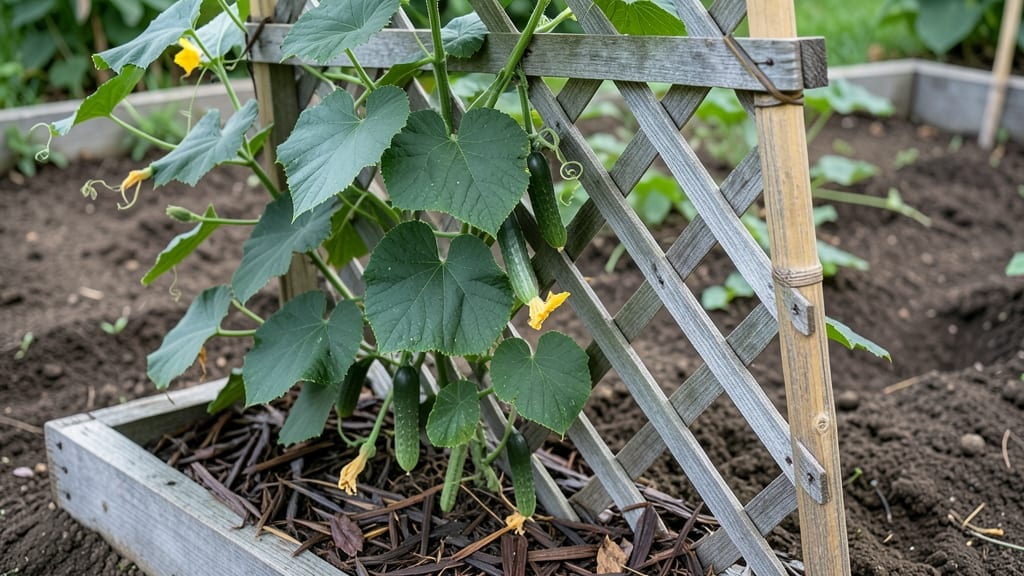
Building cheap garden trellises is easy with repurposed materials like bamboo stakes, wooden pallets, or PVC pipes, which cut costs by 50-80% while still supporting heavy climbers like cucumbers or pole beans.
Repurposing materials isn't just budget-friendly—it's also eco-conscious and creative. Bamboo stakes are lightweight yet sturdy, perfect for vining plants, while wooden pallets offer a rustic look and can be disassembled for smaller projects. PVC pipes are corrosion-resistant and easy to cut, making them ideal for taller structures. 🔥 The key is matching the material to your plants' needs—heavier climbers like grapes need thicker supports, while lighter flowers can thrive on thinner bamboo frames.
Most DIY trellises cost under $20 when using salvaged items, and the process takes less than an hour with basic tools like a saw, drill, and screws. I’ve built trellises from old fencing wire and even broken ladders—just secure them firmly to posts or stakes to prevent collapse under weight.
The savings add up quickly, especially when you consider how many seasons a well-built trellis can last.
💡 In This Article
- Best Low-Cost Materials for DIY Garden Trellises
- Step-by-Step Guide to Building a Sturdy Trellis Under $20
Best low-cost materials for DIY garden trellises
Bamboo stakes are one of the most budget-friendly options, costing as little as $0.50-$1 per stake when bought in bulk. Their natural strength comes from their hollow yet dense structure, which distributes weight evenly—ideal for supporting vining plants like cucumbers or beans that can reach 6-10 feet in height.
The best part? Bamboo is lightweight yet sturdy enough to handle 20-30 pounds of plant weight when properly secured into the ground. For a 6-foot trellis, you’d need about 6-8 stakes spaced 12-18 inches apart, creating a lattice effect for climbing plants to latch onto.
Wooden pallets offer a free or nearly free alternative if you can source them from local businesses like hardware stores or construction sites. A single pallet costs $0-$10 depending on condition, and you can disassemble it into 2x4-inch boards for framing. The downside?
Untreated pallets may contain chemicals, so inspect for stamps like "HT" (heat-treated) or "MB" (methyl bromide-treated) before use. For a 4x4-foot trellis, two pallets provide enough material for a sturdy frame, and you can add chicken wire or twine for plant support.
The rustic aesthetic also adds charm to cottage gardens.
PVC pipes are another excellent choice, especially for taller structures, as they’re corrosion-resistant and easy to cut with a hacksaw. A 10-foot pipe costs around $5-$10, and you can create a freestanding trellis by connecting multiple sections with PVC cement or screws.
The smooth surface prevents plant damage, and the material’s rigidity ensures stability even under 50 pounds of weight. For a 6-foot trellis, use 1-inch diameter pipes for lighter plants like peas or 1.5-inch pipes for heavier climbers like grapes.
The only drawback is that PVC doesn’t blend as seamlessly into garden aesthetics as wood or bamboo.
Metal rods or rebar, often discarded during construction, can also work for heavy-duty trellises. A 10-foot rebar rod costs $3-$6 and can support plants weighing up to 100 pounds when buried 12 inches deep into the ground.
Bend the rods into a U-shape or zigzag pattern for a sturdy frame, then weave twine or wire between them. The industrial look pairs well with modern gardens, but rust can be an issue—spray-painting the rods with outdoor paint extends their lifespan significantly.
For a truly zero-cost option, consider repurposing old fencing wire, broken ladders, or even bicycle frames. A 20-foot roll of fencing wire costs $5-$10 but can be stretched into a 6x6-foot trellis by attaching it to wooden posts.
The key is ensuring the material can handle the weight of your plants—thicker gauge wire (like 14-gauge) supports heavier climbers, while thinner wire (16-gauge) works for lighter vines. Always test the stability by gently pulling on the structure before planting.
When choosing materials, consider your plants' growth habits and the trellis's lifespan. Bamboo and wood are best for short-term projects (1-2 years) due to weathering, while PVC and metal last 5+ years with minimal maintenance.
For example, a cucumber plant, which can grow 10-15 feet in a season, needs a trellis with 1-inch diameter supports spaced 18 inches apart to prevent sagging. Matching the material to the plant’s needs ensures your trellis stays functional and cost-effective.