
Pests
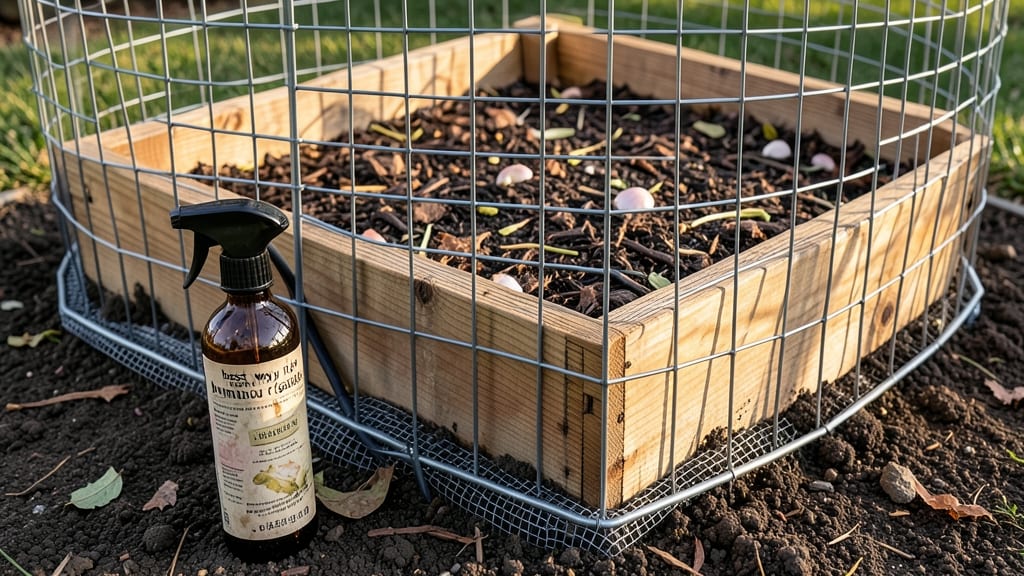
The best way to keep bunnies out of your garden combines three proven strategies: install sturdy fencing buried at least 12 inches deep, interplant with rabbit-resistant herbs like rosemary or thyme, and apply homemade pepper spray deterrents. This multi-layered defense creates an inhospitable environment they'll avoid.
The key to long-term success lies in understanding bunny behavior—these creatures are persistent diggers that can squeeze through gaps as small as 4 inches. 🌱 A buried wire fence prevents them from tunneling underneath, while the strong aromas from herbs and sprays create an unpleasant experience.
I've found that combining these methods yields better results than relying on just one approach, as bunnies quickly adapt to single solutions.
For instance, planting rosemary along garden edges not only deters bunnies but also adds beauty to your landscape. Meanwhile, a simple cayenne pepper spray (mix 2 tablespoons of cayenne with 1 gallon of water) can be reapplied every few weeks for continued protection.
The secret is consistency—bunnies learn to ignore deterrents if they're not maintained regularly.
💡 In This Article
- Why Physical Barriers Fail Without Proper Installation
- Top 5 Rabbit-Repellent Plants and DIY Sprays for Gardens
Why physical barriers fail without proper installation
Bunnies are master engineers when it comes to bypassing weak barriers. Their front teeth grow continuously—up to 12 inches per year—which means they constantly gnaw to keep them trimmed. This behavior makes them excellent at finding and enlarging gaps in fencing.
A fence with holes larger than 4 inches becomes an open invitation, while even a 1-inch gap at the bottom allows them to squeeze underneath and create tunnels.
The real science lies in their digging instincts. Bunnies dig to escape predators, find food, and create nesting sites. Their powerful hind legs can exert 15-20 pounds of pressure per dig, enough to push through loose soil or shallowly buried barriers.
This is why simply attaching chicken wire to the surface of your garden beds won't work—it's like putting a band-aid on a shark bite. The wire must be buried at least 12 inches deep to prevent them from tunneling underneath.
Timing your installation matters more than you might think. Spring is when bunnies become most active as they search for fresh vegetation to eat. If you install barriers in late summer or fall, you'll likely miss the critical window when they're most determined to invade.
I've seen gardens that worked perfectly in summer suddenly get ravaged in spring because the homeowners didn't account for this seasonal behavior shift.
Another common mistake is using the wrong type of fencing material. Standard chain-link fencing with 1-inch squares might seem sufficient, but bunnies can actually push through these gaps when motivated. Hardware cloth with 1/4-inch to 1/2-inch mesh is far more effective because it prevents even their noses from poking through.
The key is creating a barrier that's both physically impenetrable and psychologically intimidating to these persistent garden intruders.
Consider this visual comparison: A properly installed 2-foot tall hardware cloth fence buried 12 inches deep creates a nearly impassable obstacle. But if you cut corners—like using chicken wire with larger gaps or burying it only 6 inches deep—you're essentially building a rabbit highway.
The difference between success and failure often comes down to these specific details that most gardeners overlook.
For maximum effectiveness, combine your physical barrier with other deterrents. For example, planting rosemary or thyme along the fence line creates a natural scent barrier that reinforces the physical protection.
The combination of visual obstruction, physical blockage, and olfactory deterrents creates what I call a "rabbit-proof zone" that's much harder for them to penetrate.