
Fertilization
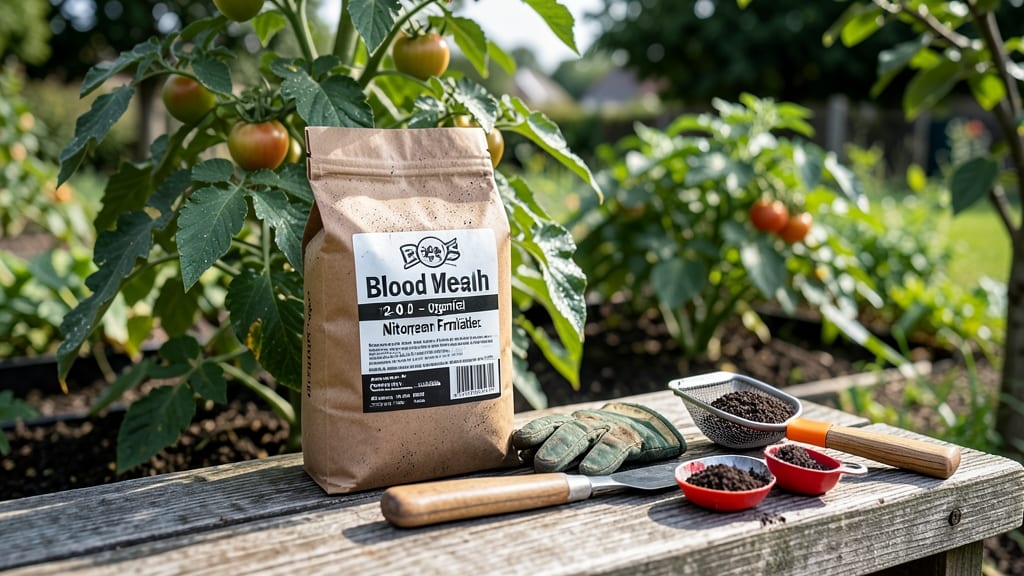
Blood meal garden fertilizer provides an intense nitrogen boost that fuels rapid leaf growth and lush foliage, but requires careful handling to prevent root damage. For best results, apply it in early spring or after harvesting vegetables.
This organic fertilizer stands out because its 12-13% nitrogen content releases quickly, making it perfect for nitrogen-loving plants like lettuce, spinach, or corn. 🌱 Unlike slow-release options, blood meal delivers immediate results, but its high potency demands precision—too much can scorch plants.
I recommend mixing it lightly into the top 2-3 inches of soil rather than broadcasting it, and always watering thoroughly afterward to help distribute nutrients safely.
Timing matters just as much as application. Spring is ideal because plants are actively growing, but post-harvest use works too—especially for heavy feeders like tomatoes or peppers. Just avoid applying it in hot weather, as the nitrogen can volatilize and lose effectiveness.
For safety, wear gloves and work on calm days to prevent dust from spreading.
💡 In This Article
- How Blood Meal Boosts Plant Growth Through Nitrogen
- Best Practices for Applying Blood Meal in Gardens
How blood meal boosts plant growth through nitrogen
Blood meal works its magic by delivering nitrogen in a form plants can absorb almost immediately. Unlike slow-release organic fertilizers like compost or manure, which take weeks to break down, blood meal contains 12-13% nitrogen by weight in its protein-rich structure.
When soil microbes decompose the dried blood, they release ammonia (NH₃) and ammonium (NH₄⁺), which plants uptake through their roots within days.
This rapid availability is why blood meal is a favorite for leafy greens like lettuce or spinach, which need constant nitrogen to maintain their vibrant color and rapid growth.
The science gets even more interesting when you consider how blood meal's nitrogen differs from synthetic sources. Unlike urea or ammonium nitrate, which provide nitrogen in inorganic forms, blood meal's nitrogen is tied to organic compounds that microbes must first break down.
This process creates a temporary "nitrogen flush" in the soil—ideal for plants in their active growth phases.
For example, corn plants can show visible leaf growth within 7-10 days after application, while slower-release options might take 3-4 weeks to show similar effects. 🌱 The trade-off is that this quick release also makes blood meal more prone to leaching if not applied properly.
What sets blood meal apart is its balanced approach to nitrogen delivery. While it doesn't contain phosphorus or potassium (the other primary macronutrients), its high nitrogen content makes it perfect for "greening up" plants that show signs of nitrogen deficiency—like yellowing leaves or stunted growth.
Gardeners often use it as a supplement alongside complete organic fertilizers. The key is understanding that blood meal is a "fast food" for plants—great for short-term boosts but not a long-term solution.
For comparison, alfalfa meal (another organic fertilizer) typically contains only 2-3% nitrogen but releases it much more slowly over months.
Here's what happens at the cellular level: When plants absorb ammonium from blood meal decomposition, they convert it to amino acids—the building blocks of proteins. This is why you'll see such dramatic improvements in leafy vegetables.
The process also stimulates root growth as plants work to absorb the available nitrogen before it's lost through leaching or volatilization. However, this rapid uptake comes with a warning: Excessive amounts can overwhelm plant roots, leading to "fertilizer burn" where roots become damaged and unable to absorb water properly.
Consider this practical example: A 100-square-foot garden bed might need only ½ to 1 pound of blood meal, mixed into the top 2-3 inches of soil. The difference between these amounts can mean the difference between lush growth and plant stress.
For instance, applying 2 pounds per 100 sq ft on a hot day could raise soil nitrogen levels to toxic concentrations, while the same amount applied in cool, moist conditions would be perfectly safe. The secret lies in monitoring soil moisture and plant response after application.
For those curious about the environmental impact, blood meal's rapid nitrogen release means it must be used judiciously to avoid contributing to waterway eutrophication. Unlike synthetic fertilizers that can persist in soil for years, blood meal's nitrogen is either taken up by plants or lost within weeks.
This makes timing critical—applying it just before a rainstorm could wash away valuable nutrients before plants have a chance to use them. 💫