
Container Gardens
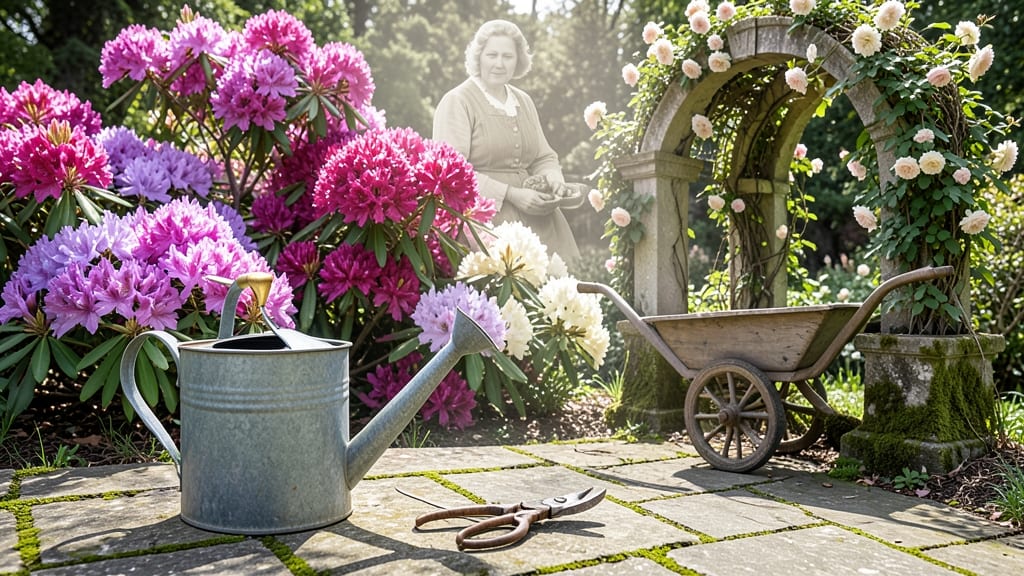
The history of Butchart Gardens traces back to 1876 when a coal mine waste pile on Vancouver Island was repurposed by Robert Pim Dole into Canada’s first large-scale floral display, blending hydroponics and European gardening techniques to create a 55-acre botanical wonderland by 1904.
What makes Butchart Gardens so remarkable is how it turned an industrial eyesore into a global treasure. 🌸 The coal mining waste provided the perfect acidic soil for acid-loving plants like rhododendrons and azaleas, which became signature species in the gardens.
Dole’s vision combined practicality with artistry—using hydroponics to maximize space and European floral design principles to create breathtaking seasonal displays. Today, the gardens remain a living testament to how creativity can transform even the most unlikely beginnings.
Beyond its stunning visuals, Butchart Gardens’ history reflects broader cultural shifts.
The 1904 opening marked a turning point in Canadian horticulture, while later expansions like the 1916 sunken garden demonstrated how the site adapted to new styles and conservation needs. 🌿 This evolution shows why the gardens continue to inspire both visitors and gardeners worldwide, proving that greatness often grows from unexpected origins.
💡 In This Article
- From Coal Mine to Botanical Masterpiece: How Butchart Gardens Was Born
- Key Historical Landmarks in Butchart Gardens’ Evolution
From coal mine to botanical masterpiece: how butchart gardens was born
Robert Pim Dole's vision began with an unlikely canvas: the acidic, nutrient-rich waste from a nearby coal mine.
This discarded material, typically considered useless, provided the perfect growing medium for acid-loving plants like rhododendrons and azaleas that thrive in pH levels between 4.5 and 6.0. 🌿 The mine waste contained high levels of sulfur, creating an ideal environment for these delicate species that would later become the gardens' signature plants.
Dole recognized this opportunity and began experimenting with hydroponics—growing plants in mineral-rich solutions rather than soil—to maximize space and water efficiency, a revolutionary approach at the time.
The European influence on Butchart Gardens' design cannot be overstated. Dole studied formal garden layouts from England and France, incorporating symmetrical pathways, tiered terraces, and seasonal color schemes that would become hallmarks of the gardens.
He also introduced the concept of "floral clock gardens," where flowers were arranged to display accurate time—an innovation that fascinated visitors in the early 1900s. 🌸 These European techniques combined with Dole's practical use of local resources created a unique blend of artistry and functionality that set Butchart Gardens apart from other botanical displays of the era.
What truly made Dole's vision groundbreaking was his ability to transform an industrial waste site into something beautiful while solving practical problems. The coal mine waste not only provided acidic soil but also created natural drainage that prevented waterlogging—a common issue in garden design.
This clever adaptation allowed plants to thrive in conditions that would have been challenging in traditional garden beds. 🔥 The resulting landscape featured cascading waterfalls, vibrant flowerbeds, and carefully placed benches that offered visitors panoramic views of the gardens, creating an immersive experience that was unprecedented in Canada.
The gardens' early layout also reflected Dole's understanding of plant biology and seasonal cycles. He strategically placed plants based on their bloom times, ensuring year-round color and visual interest.
For example, spring bulbs like tulips and daffodils were planted alongside early-blooming rhododendrons, while summer annuals filled gaps as the season progressed. This thoughtful planning created a dynamic, ever-changing display that kept visitors returning throughout the year.
One often overlooked aspect of Butchart Gardens' creation was its role in local economics. By repurposing the coal mine waste, Dole provided employment opportunities for local workers while creating a tourist attraction that boosted the regional economy.
The gardens' success demonstrated how horticulture could be both an art form and a practical industry, setting a precedent for future botanical gardens worldwide. 💫 This dual-purpose approach—combining beauty with utility—remains one of the gardens' most enduring legacies.
Dole's innovative use of hydroponics also had environmental benefits that were ahead of their time. By growing plants in mineral-rich solutions rather than traditional soil, he reduced water usage by up to 40% compared to conventional gardening methods.
This efficiency not only preserved resources but also allowed for more precise control over plant nutrition, resulting in healthier, more vibrant displays. 🌱 The techniques he pioneered would later influence modern hydroponic farming practices used in both commercial agriculture and home gardening.