
Flowers
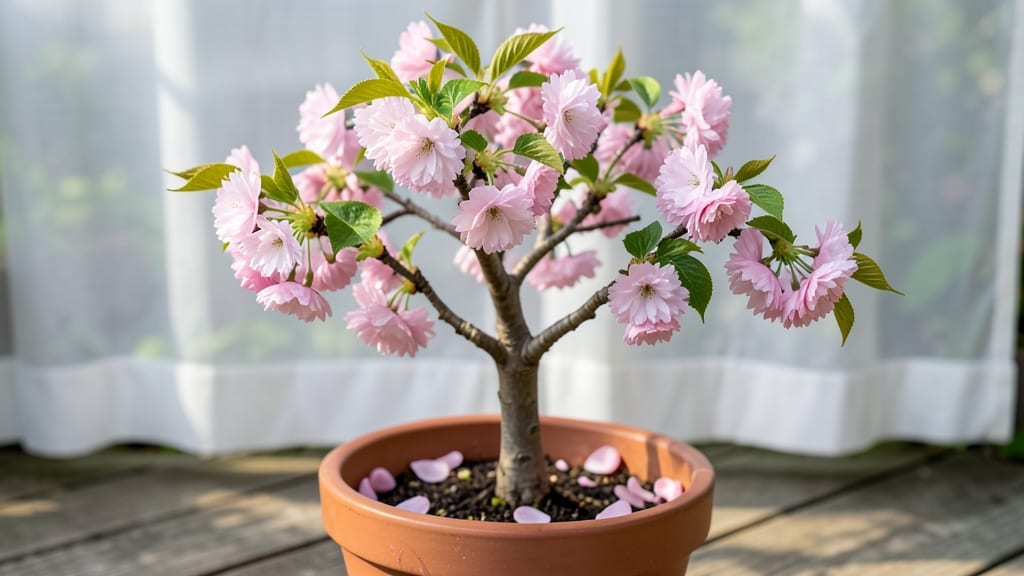
You can still grow cherry blossoms in your garden by choosing modern varieties like Prunus serrulata or cold-hardy hybrids such as 'Kanzan' or 'Autumnalis,' which adapt well to USDA zones 5-8 with the right growing conditions.
Cherry blossom trees have evolved beyond their traditional Japanese origins, offering gardeners a wider range of options. 🌸 Modern cultivars like 'Autumnalis' bloom earlier and later into the season, extending your viewing window, while dwarf varieties fit smaller spaces.
These adaptations make it possible to enjoy the iconic beauty of cherry blossoms even in colder climates or tight urban gardens. The key lies in selecting the right variety for your specific zone and microclimate.
What sets today's cherry blossom selections apart is their resilience.
Many hybrids now resist common pests and diseases that plagued older varieties, ensuring healthier trees with less maintenance. 🌿 For instance, 'Kanzan' stands out for its vibrant pink blooms and sturdy growth habit, making it a favorite among both novice and experienced gardeners.
Proper care—like well-draining soil and regular pruning—maximizes their potential, turning your garden into a springtime spectacle.
💡 In This Article
- Modern Cherry Blossom Varieties for Home Gardens
- Planting and Care Guide for Cherry Blossom Trees
Modern cherry blossom varieties for home gardens
The traditional Prunus serrulata cherry blossom has been carefully refined through horticulture to create varieties that thrive in home gardens. These modern adaptations address key challenges like cold sensitivity and space limitations.
For example, 'Autumnalis' blooms continuously from late winter through spring, offering 12+ weeks of floral display compared to the 1-2 week burst of traditional varieties. This extended bloom period makes it ideal for gardeners who want prolonged visual impact.
Cold-hardy hybrids like 'Kanzan' push the boundaries of where cherry blossoms can grow. This variety withstands temperatures as low as -25°F (-32°C), thriving in USDA zones 5-8 where traditional varieties would struggle.
The secret lies in its genetic makeup—breeders cross-pollinated delicate Japanese strains with hardier North American species like Prunus avium, creating trees that maintain their iconic beauty while gaining resilience. 🌸 The result is a tree that not only survives winter but often produces 20% more blooms the following spring due to reduced winter stress.
Dwarf cultivars represent another breakthrough for urban gardeners. Varieties like 'Shirotae' mature at just 15-20 feet tall (compared to 40+ feet for standard trees), making them perfect for small yards or large containers. These compact trees maintain the same stunning white blossoms but with a fraction of the space requirements.
The trade-off? They may produce slightly fewer flowers, but their manageable size makes them far more practical for city landscapes where space is at a premium.
Color variations now extend beyond the classic pale pink. New hybrids offer deep pink ('Fugenzo'), double blooms ('Shidare-Yoshino'), and even yellow-tinged varieties ('Primavera'). These color options allow gardeners to create custom seasonal displays.
The key difference in these modern varieties is their ability to maintain vibrant colors through multiple bloom cycles, whereas older varieties often faded quickly after their initial flowering.
Disease resistance represents one of the most significant improvements. Traditional cherry blossoms were susceptible to fungal diseases like powdery mildew and bacterial canker, which could devastate entire trees. Modern hybrids incorporate resistance genes from wild cherry species, creating trees that require 30-50% less fungicide treatment.
For instance, 'Okame' shows exceptional resistance to leaf spot diseases common in humid climates, making it a top choice for gardeners in the southeastern U.S.
What all these varieties share is their ability to adapt to different light conditions. While they still prefer full sun (6+ hours daily), many modern cultivars tolerate partial shade better than their ancestors.
This flexibility means you can successfully grow cherry blossoms in areas where traditional trees would struggle, such as near tall buildings or under deciduous trees that provide seasonal shade. The adaptability of these modern varieties truly democratizes cherry blossom gardening.