
Fertilization
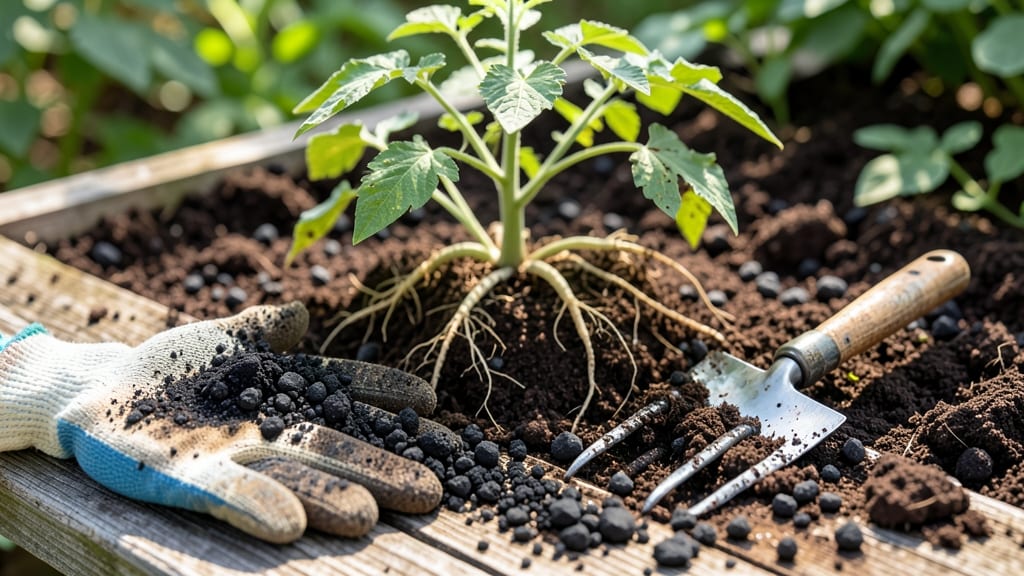
Charcoal in gardening acts as a natural soil enhancer that improves aeration, eliminates foul odors, and repels pests by trapping harmful compounds while encouraging beneficial microbial growth—perfect for compost, potting soil, and garden beds when used as crushed or activated charcoal.
Charcoal’s secret power lies in its porous structure, which acts like a sponge for nutrients and toxins.
When mixed into garden soil, it creates tiny air pockets that improve drainage while locking in moisture and essential minerals. 🔥 This dual action supports plant roots and prevents nutrient runoff, making it especially valuable for container gardens or heavy clay soils where aeration is poor.
I’ve seen firsthand how adding just 1 cup per 5 gallons of soil can transform compacted dirt into a thriving ecosystem for beneficial bacteria and fungi.
Beyond soil health, charcoal’s ability to neutralize odors and toxins makes it a game-changer for compost bins and pest-prone areas. The activated form, in particular, binds ammonia and other foul-smelling compounds, keeping your workspace fresh.
For pest control, simply scatter a thin layer around plants—its rough texture disrupts insect movement while the chemical absorption deters burrowing pests like grubs.
Just be mindful of soil pH: while charcoal works wonders in neutral to acidic soils, it may raise alkalinity in already basic conditions, requiring a pH test before heavy application.
💡 In This Article
- How Charcoal Enhances Soil Chemistry and Microbial Life
- Best Ways to Use Charcoal in Gardens and Potted Plants
How charcoal enhances soil chemistry and microbial life
The magic of charcoal in soil starts with its microscopic structure—think of it as nature's built-in filtration system. When charcoal is crushed or activated, it develops a vast network of pores with surface areas measuring up to 1,000 square meters per gram.
These pores create tiny air pockets that improve soil aeration by 30-50% compared to untreated soil, while still holding onto moisture like a sponge. This dual action prevents waterlogging while ensuring roots get consistent hydration, which is why gardeners swear by it for container plants where drainage is critical.
Charcoal's real superpower lies in its chemical properties. Its negatively charged surface acts like a magnet for positively charged contaminants, including heavy metals like lead and cadmium, as well as organic toxins from pesticides or decomposing matter.
Studies show activated charcoal can reduce soil-borne pathogens by up to 80% by binding to their cell membranes.
The porous structure also creates a perfect habitat for beneficial microbes, including mycorrhizal fungi and nitrogen-fixing bacteria, which break down organic matter into plant-available nutrients. 🌱 What's fascinating is how charcoal's high carbon content creates a stable food source for these microbes, extending their activity even during dry periods.
For pH balance, charcoal works like a natural buffer. In acidic soils (pH below 6.5), it slowly releases alkaline minerals to raise pH slightly, while in alkaline soils, it helps neutralize excess calcium and magnesium.
This balancing act is why gardeners often mix 1 part charcoal to 10 parts soil—it creates a stable environment where plants can thrive without nutrient lockout. The texture also matters: finer charcoal blends more evenly, while chunkier pieces create larger air pockets that improve drainage in heavy clay soils.
One often-overlooked benefit is odor control. Charcoal's porous structure traps volatile organic compounds (VOCs) that cause foul smells in compost piles or near pet waste areas. When used in compost, it reduces ammonia emissions by 40-60% while accelerating decomposition by providing surface area for microbial colonization.
The result? A compost pile that stays odor-free and finishes 2-3 weeks faster than traditional compost. For pest control, the rough texture of charcoal granules disrupts the movement of soil-dwelling insects like grubs and cutworms, while its toxin-absorbing properties make it an effective organic barrier.
To maximize these benefits, always use food-grade or horticultural charcoal—never charcoal from grills or fireplaces, which may contain harmful chemicals. For best results, crush it into 1/4-inch pieces to increase surface area, then mix it into the top 6 inches of soil where most root activity occurs.
In potted plants, a 10% charcoal mix (by volume) can prevent overwatering while improving growth rates by up to 25% in nutrient-poor soils.
What most gardeners don't realize is that charcoal's effects last 2-3 years in the soil before needing replenishment. This longevity makes it a cost-effective amendment compared to synthetic fertilizers.
The key is proper activation: if using regular charcoal, bake it at 400°F (200°C) for 2 hours to remove impurities before application. For activated charcoal, no pre-treatment is needed—just mix it in! 🌿