
Vegetables
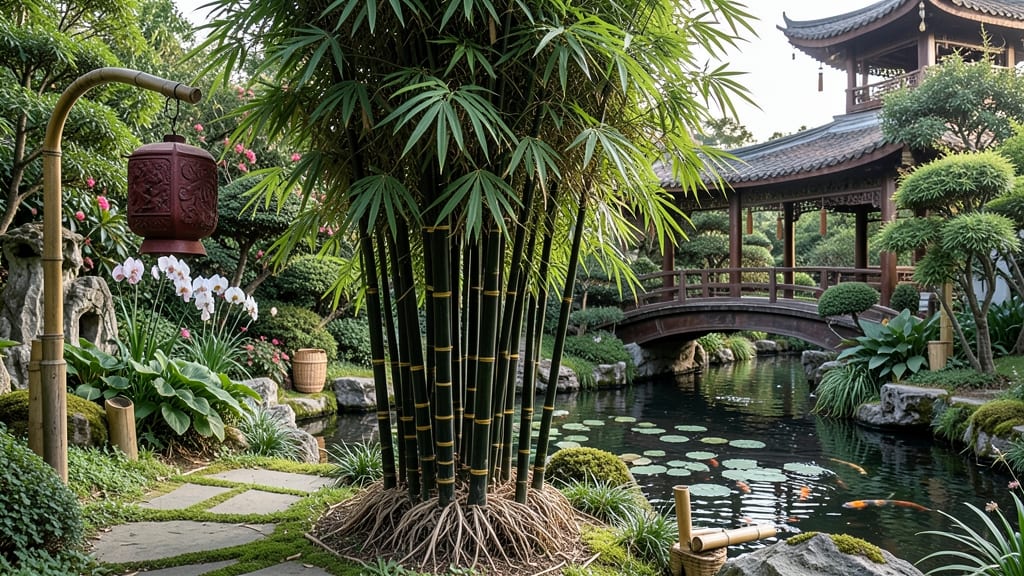
The Chinese Scholar Garden in Staten Island, NY, offers serene classical Chinese landscapes with koi ponds, bamboo groves, and traditional pavilions, blending horticulture and cultural history in a tranquil setting perfect for seasonal exploration.
The Chinese Scholar Garden in Staten Island is a meticulously crafted retreat inspired by Ming Dynasty scholar gardens, where every element—from the winding paths to the stone bridges—serves both aesthetic and symbolic purposes. 🌿 Unlike typical public gardens, this one prioritizes harmony between nature and architecture, with features like the pentagonal pavilion (symbolizing the five elements) and bamboo groves that purify the air while creating a meditative atmosphere.
Even the koi ponds follow traditional principles, where the fish represent prosperity and the water embodies fluidity in life.
What makes this garden truly special is its seasonal transformation. Spring brings vibrant peonies and wisteria, while autumn showcases fiery maples that reflect the garden's connection to Chinese poetry.
The tea house offers a quiet spot to reflect, and the moon gate frames views that change with the seasons—perfect for photographers seeking dynamic compositions. Whether you're drawn to its cultural depth or simply its peaceful ambiance, each visit reveals new details worth discovering.
💡 In This Article
- Design Principles Behind Staten Island’s Chinese Scholar Garden
- Best Times to Visit for Seasonal Plant Highlights
Design principles behind Staten Island’s Chinese scholar garden
The garden’s layout follows the shan-shui (mountain-water) principle, where natural elements like the 1.2-acre koi pond mirror the sky and surrounding hills, creating a sense of infinity.
This technique, rooted in Daoist philosophy, reflects the harmony between opposing forces—here, the still water symbolizes tranquility while the undulating paths represent life’s journey. 🌊 The pentagonal pavilion at the center embodies the five classical elements (wood, fire, earth, metal, water), with each structural detail—like the curved eaves—designed to channel wind and rain away from the building, a practical nod to traditional Chinese architecture.
Plant selection serves both aesthetic and symbolic purposes.
The bamboo groves (Phyllostachys species) aren’t just decorative—they’re chosen for their resilience and ability to purify air, while their vertical lines contrast with the horizontal pond to create visual balance. Peonies and wisteria, planted along the pathways, bloom in spring to represent prosperity and renewal, aligning with feng shui principles that favor vibrant, life-affirming colors.
Even the stone bridges follow the yin-yang concept: their curved arches mimic natural rock formations, while the smooth surfaces invite contemplation, blending function with philosophy.
What’s fascinating is how these principles extend to the garden’s hidden pathways. The moon gate (a semicircular arch) frames views to guide visitors’ perspectives, a technique used in classical gardens to create "borrowed scenery"—where distant landscapes appear closer through strategic placement.
This isn’t just decoration; it’s a lesson in perception, teaching observers to appreciate nature’s details. The tea house, positioned near the water, follows the peng-lai (island) concept, symbolizing a retreat from the outside world—a microcosm of serenity within the garden’s larger harmony.
Temperature and climate also play a role in the garden’s design. The south-facing orientation of the pavilion maximizes winter sunlight, while the bamboo’s dense foliage provides shade in summer, demonstrating how traditional landscaping adapts to Staten Island’s humid subtropical climate.
The koi pond’s depth (3-4 feet) maintains cooler temperatures year-round, supporting aquatic life while reinforcing the water’s symbolic role as a life-giving force. Even the stone pathways, laid in irregular patterns, prevent erosion and encourage natural drainage—practical solutions disguised as art.
For visitors, understanding these principles transforms a walk into an immersive experience. The garden’s asymmetrical layout—deliberately avoiding rigid geometry—encourages exploration, rewarding those who pause to observe.
For example, the autumn maples (Acer palmatum) are planted near the tea house not just for color but to create a seasonal "frame" for morning sunlight, a detail that might go unnoticed without knowledge of the design’s intent. 🌿 This is where horticulture meets philosophy: every plant, stone, and structure tells a story if you know where to look.