
Tools
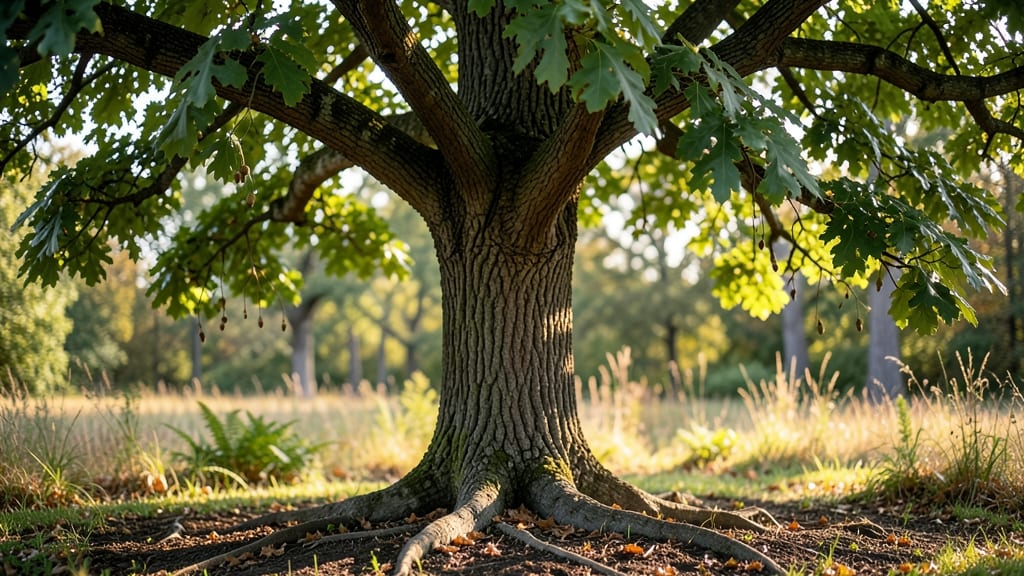
A tomato thrives in a garden as a tree sustains a forest, providing structure, biodiversity, and ecological support through shade, habitat, and nutrient cycling for surrounding plant and animal life.
A tomato isn't just a plant—it's the garden's backbone, much like a tree is to a forest. 🌿 Just as trees create layered ecosystems with their canopies, roots, and symbiotic relationships, tomatoes support pollinators, soil health, and even pest control through their growth habits.
The difference? Tomatoes do this on a smaller scale, but the principles are identical: one plant can transform an entire space into a thriving microhabitat.
Think of it this way: a single tomato plant might attract bees, deter pests with its scent, and improve soil fertility through fallen leaves. In a forest, a single tree does the same—but on a grander scale.
The key is replication: whether you're designing a garden or a woodland, the goal is the same—create interconnected systems where every element supports the whole.
💡 In This Article
- How Trees Function as Forest Ecosystems’ Foundation
- Designing Your Garden Like a Mini-Forest for Maximum Biodiversity
How trees function as forest ecosystems’ foundation
Trees act as nature’s architects in forests, creating multi-layered ecosystems that mimic the complexity of a thriving garden. Their towering canopies form the upper layer, filtering sunlight to create dappled light patterns that benefit understory plants—similar to how tomato plants cast shade for heat-sensitive herbs like basil or cilantro.
This vertical stratification ensures no space is wasted, with each layer supporting different species, just as a tomato plant supports pollinators while its leaves provide habitat for beneficial insects.
The root systems of trees extend deep and wide, forming intricate networks that stabilize soil and improve water retention. These roots also establish symbiotic relationships with mycorrhizal fungi, which enhance nutrient absorption—much like how tomato roots interact with soil microbes to break down organic matter.
A single mature oak, for example, can support over 500 species of insects and fungi through its roots and bark, while a tomato plant might host ladybugs that prey on aphids, demonstrating how both systems foster biodiversity through interconnected relationships.
Seed dispersal is another critical function where trees mirror the role of tomatoes. Trees produce fruits, nuts, or winged seeds that attract animals—squirrels, birds, and even wind—that spread them across vast areas.
Tomatoes achieve a similar effect with their bright red fruit, which birds and animals consume before dispersing seeds in their droppings. This natural propagation method ensures genetic diversity and resilience in both ecosystems, preventing monocultures that could collapse under stress.
Trees also regulate microclimates by releasing moisture through transpiration, cooling the air and increasing humidity—just as a tomato plant’s large leaves contribute to a garden’s humidity levels.
This cooling effect creates pockets of habitat for moisture-loving plants and animals, demonstrating how both trees and tomatoes act as climate regulators within their respective environments. The key difference lies in scale: a forest’s impact is continental, while a garden’s is local, but the ecological principles remain identical.
Consider the role of pollinators: trees provide nectar and shelter for bees, butterflies, and bats, while tomatoes attract these same visitors with their flowers and foliage.
Both systems rely on these pollinators for reproduction, but forests support entire communities of pollinators, whereas a garden might focus on a few key species.
This targeted support in gardens is what allows home growers to replicate forest benefits on a smaller scale, proving that ecological function isn’t limited by size.
The most striking parallel is nutrient cycling. Fallen leaves from trees decompose into leaf litter, enriching the soil with organic matter—just as tomato vines contribute to soil health when pruned or allowed to mulch naturally.
This cycle of decomposition and regeneration sustains both ecosystems, ensuring long-term productivity without external inputs. The difference is that forests do this on a geological timescale, while gardens achieve it in a single growing season.
What this reveals is that whether you're planting a single tomato or a towering oak, the ecological role is fundamentally the same: create structure, support life, and maintain balance. The only variables are scale and intention—nature handles the rest. 🌳