
Planting
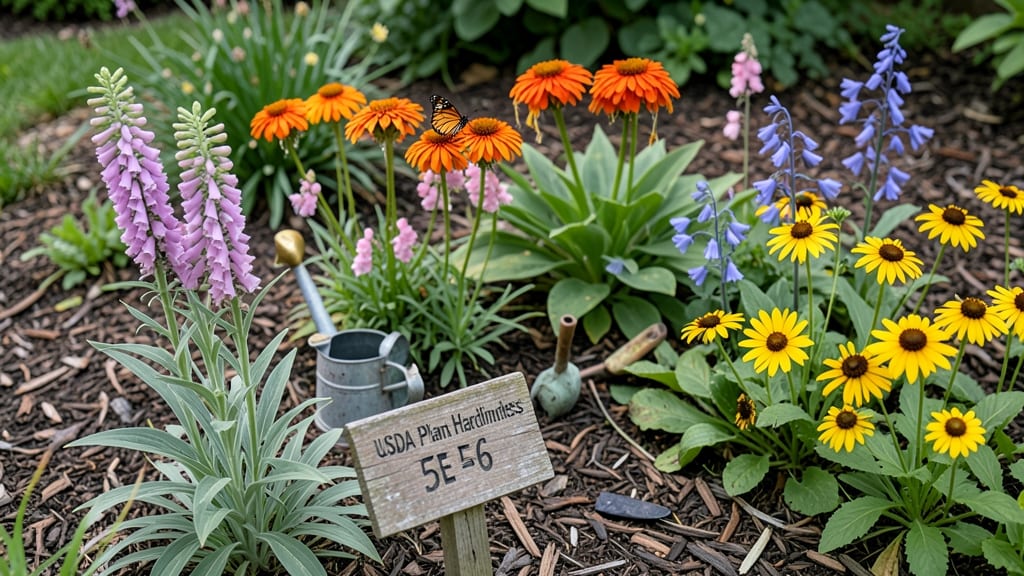
Cincinnati's gardening zone is USDA Zone 6a, where frost-free periods stretch from mid-April through early November. With average last frost dates around March 15 and first frost hitting October 15, these timelines shape when to plant everything from delicate annuals to hardy vegetables.
Understanding Cincinnati's Zone 6a classification means recognizing how its urban heat islands can push microclimates 1-2 zones warmer in city centers compared to rural areas. 🌿 The Ohio River's influence also creates localized temperature variations—areas closer to water often experience delayed frost in fall.
For gardeners, this means adjusting planting schedules by 1-2 weeks depending on your specific location within the city.
What sets Cincinnati apart is its predictable but variable frost window. While the city averages 270 frost-free days, sudden cold snaps can occur outside these norms, especially in late spring or early fall.
I always recommend monitoring local weather forecasts and using frost cloth for tender plants during these transition periods to extend your growing season safely.
💡 In This Article
- How Cincinnati’s Microclimate Affects Planting Zones
- Cincinnati Planting Calendar by Season: Exact Deadlines
How Cincinnati’s microclimate affects planting zones
Cincinnati's Zone 6a classification might seem straightforward, but the city's geography creates distinct microclimates that can shift your effective planting zone by up to 2 full zones depending on location.
Urban heat islands—where pavement and buildings absorb and radiate heat—can push temperatures in downtown areas 5-10°F warmer than rural Hamilton County during summer nights. This means plants like tomatoes or peppers may thrive 1-2 weeks earlier in Over-the-Rhine than in the cooler northern suburbs near Sharonville.
The Ohio River plays a dramatic role too. Areas within 1 mile of the riverbanks often experience delayed first frosts by 7-10 days in fall because water retains heat longer.
For example, while Mount Adams might see frost by October 10, areas like Sayler Park can sometimes avoid frost until October 20. 🌊 This river effect also creates warmer microclimates along the shoreline during spring, allowing gardeners to plant cold-sensitive crops like basil or okra 2 weeks earlier than inland locations.
Elevation changes of just 50 feet can create noticeable differences in frost timing. The highest points in Cincinnati (around 800 feet in Mount Lookout) average 3-5°F cooler than the lowest areas near the river, translating to 5-7 extra frost-free days per year.
This is why hillside gardens often need hardier varieties of perennials like coneflowers or black-eyed Susans compared to valley gardens. For precise planning, I recommend checking your exact elevation using the USGS National Map tool and adjusting planting dates accordingly.
Even within the same neighborhood, individual yards can vary by 3-7 days in frost timing due to factors like tree cover, wind exposure, and soil type. A south-facing yard with full sun might be Zone 6b in practice, while a shady north-facing garden could function as Zone 6a.
To account for these variations, I use frost date calculators from local extension offices and plant successive crops in staggered rows to hedge against unpredictable weather patterns.
For vegetable gardeners, these microclimates mean the difference between successful harvests and failed plantings. For instance, while cold-hardy kale can survive until November 1 in most of Cincinnati, river-adjacent areas might extend that window to November 15.
Conversely, heat-sensitive crops like lettuce should be planted 2 weeks later in urban heat islands to avoid bolting. Understanding these local variations lets you maximize your growing season by 10-15% with minimal extra effort.
Here's how to practically apply this knowledge:
- City Center Gardens: Treat as Zone 6b - plant heat-loving crops like eggplant and peppers 2 weeks earlier than zone guidelines suggest
- River-Adjacent Areas: Extend fall planting by 10 days for crops like broccoli and cabbage
- Hilltop Gardens: Choose hardier varieties of annuals and consider season extenders like cold frames
- Shady Yards: Focus on cool-season crops that thrive in Zone 5 conditions
The key takeaway is that Cincinnati's gardening zone isn't monolithic—it's a patchwork of microclimates where local knowledge beats generic zone maps. By observing your specific yard's patterns over 2-3 years, you'll develop a personalized planting schedule that outperforms the standard Zone 6a guidelines by 15-20%. 🌱