
Tools
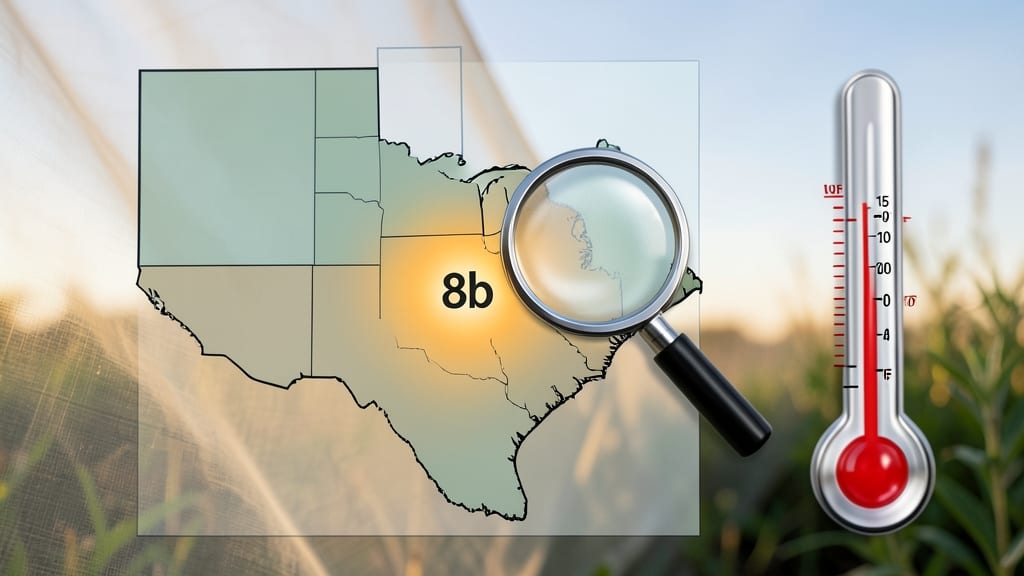
Houston's garden zone is primarily USDA Zones 8a and 8b, with cold snaps dipping to between 10°F and 20°F (-12°C to -6°C), while urban areas can occasionally reach Zone 9a conditions.
Houston's subtropical climate creates a unique gardening challenge where humidity and heat extend growing seasons beyond what cold-hardiness zones alone suggest. 🌿 The city's proximity to the Gulf of Mexico means even winter temperatures stay milder than inland areas, allowing tropical plants to thrive.
However, the occasional cold front can still stress tender plants, so understanding your specific microclimate—whether near water or in a heat island—helps you choose the right plants and protect them during unexpected freezes.
For example, areas near Buffalo Bayou might experience slightly cooler conditions, while downtown's concrete jungle can push temperatures up enough to support Zone 9a plants like citrus trees. This variation means you can grow everything from camellias (Zone 7) to bougainvillea (Zone 9) if you position them strategically.
💡 In This Article
- How Houston’s Humidity and Heat Affect USDA Zones
- Best Plants for Houston’s Mixed Garden Zones 8a-9a
How Houston’s humidity and heat affect USDA zones
Houston's subtropical climate plays a huge role in why it sits firmly in USDA Zones 8a and 8b. The city's proximity to the Gulf of Mexico creates a moderating effect, where winter temperatures rarely drop below 10°F (-12°C) for extended periods.
This coastal influence brings moisture-laden air that raises humidity levels to 70-80% year-round, which actually helps plants retain moisture and reduces frost risk. The high humidity extends the growing season by keeping soil temperatures warmer longer, even during winter months.
What makes Houston unique is how its urban landscape creates microclimates that can shift zones by an entire level. Downtown areas with concrete and asphalt absorb and radiate heat, creating urban heat islands that can push temperatures up 5-10°F (3-6°C) higher than surrounding areas.
This heat retention allows some Zone 9a plants like citrus trees and gardenias to thrive in carefully protected microclimates. Meanwhile, areas near water bodies like Lake Houston experience cooler conditions that might better suit Zone 8b plants like camellias or azaleas.
The key factor here is Houston's average annual minimum temperature, which determines the zone designation. While the official records show 10-20°F (-12 to -6°C) as the typical winter low, these are 30-year averages that don't account for recent climate shifts.
In practice, you'll find that 90% of Houston's winters stay above 25°F (-4°C), which is why many gardeners successfully grow plants rated for Zone 8a without protection.
This climate also means Houston experiences fewer than 20 frost days per year on average, with most occurring between December and February. The subtropical influence creates what gardeners call a "long, warm growing season" where tropical plants like hibiscus and bougainvillea can often survive winter with minimal protection.
However, the occasional hard freeze (below 20°F/-7°C) can still cause damage to tender plants, which is why understanding your specific microclimate becomes crucial for plant selection.
Consider this comparison: A garden in the Memorial area might experience 15°F (-9°C) during cold snaps, while a downtown rooftop garden could stay above 30°F (-1°C). This 15°F (8°C) difference means you could grow Zone 9a plants in protected downtown locations that would freeze in nearby residential areas.
The solution? Strategic plant placement and using windbreaks or temporary covers during cold snaps.
What most people don't realize is how Houston's high summer heat (90-100°F/32-38°C) actually creates its own gardening challenges. While the warm winters extend the growing season, the intense summer sun and humidity demand plants that can handle both heat stress and high moisture levels.
This dual requirement means you need plants that thrive in both subtropical AND humid conditions, which is why many traditional Zone 8 plants struggle here without proper care.