
Fertilization
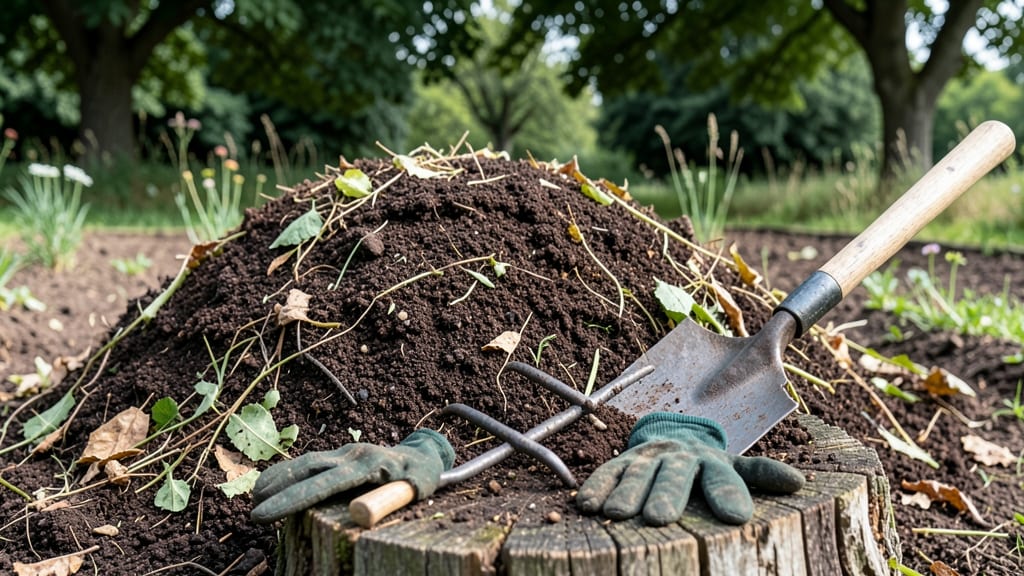
Using coffee grinds in your garden boosts soil quality by lowering pH for acid-loving plants, repelling pests like slugs and ants, and adding nitrogen-rich organic matter. Apply them as a thin layer around plants or mix into compost, but avoid overuse to prevent soil compaction or mold growth.
Coffee grinds work wonders because they're packed with nitrogen—about 2% by weight—which feeds soil microbes and helps break down organic matter. 🌱 The acidity from spent grounds also makes them perfect for blueberries, azaleas, and other plants that thrive in slightly acidic soil, though they won't work as well for vegetables like tomatoes that prefer neutral pH. I've found that mixing them into compost piles speeds up decomposition, creating nutrient-rich soil faster than using them alone.
For best results, spread a thin layer (about ½ inch) around the base of plants rather than piling them up—this prevents clumping and ensures even distribution.
You can also create a DIY fertilizer by steeping coffee grounds in water for 24 hours and using the liquid to water plants, though this method requires more frequent application. Just remember: fresh grounds work best, and dried or stale ones lose their potency.
💡 In This Article
- How Coffee Grounds Enhance Soil Health and Plant Growth
- Best Ways to Apply Coffee Grounds in Your Garden
How coffee grounds enhance soil health and plant growth
The real magic of coffee grinds lies in their nitrogen content—about 2% by dry weight, which is a significant boost compared to most organic matter. When these grounds decompose, they release nitrogen in forms that soil microbes can easily absorb, like ammonium and nitrate.
This kickstarts microbial activity, breaking down complex organic materials into plant-accessible nutrients. Think of it like giving your soil's tiny ecosystem a high-protein meal that fuels decomposition and nutrient cycling.
Coffee grounds also lower soil pH by releasing organic acids, making them ideal for acid-loving plants like blueberries, azaleas, and hydrangeas. The ideal pH range for these plants is 4.5-5.5, while coffee grounds can drop soil pH by 0.5-1.0 points when used regularly.
However, this acidifying effect is gradual—you won't see dramatic changes overnight. For plants like tomatoes or peppers that prefer neutral soil (pH 6.0-7.0), use coffee grounds sparingly or pair them with compost to balance the acidity.
One often-overlooked benefit is their ability to repel pests. The strong aroma deters slugs, snails, and ants, which are drawn to damp, organic-rich soil. I've noticed fewer slug trails in garden beds where I've applied coffee grounds compared to untreated areas.
The caffeine in coffee (about 1-2% by weight) acts as a natural insect repellent, though it's not strong enough to kill pests outright. This makes coffee grounds a gentle but effective pest deterrent for organic gardeners.
However, the benefits depend on proper application. Fresh coffee grounds decompose quickly, releasing nutrients within 2-4 weeks, while stale grounds may take months. Overuse can create problems—too much nitrogen can burn plant roots, and compacted grounds can suffocate soil life.
The key is moderation: use them as a 10-20% supplement in compost or as a thin mulch layer rather than the sole soil amendment.
For maximum effectiveness, combine coffee grounds with other organic materials. Mixing them with yard waste, kitchen scraps, and brown leaves creates a balanced compost pile that retains moisture while preventing clumping. This approach mimics natural forest floor decomposition, where organic matter breaks down gradually to feed plants over time.
The result is a nutrient-rich, crumbly soil that retains moisture better and supports robust root growth.
What most gardeners don't realize is that coffee grounds also improve soil structure. Their coarse texture adds porosity to heavy clay soils, allowing better water and air penetration. In sandy soils, they help retain moisture and nutrients that would otherwise leach away.
This dual benefit makes coffee grounds a versatile soil amendment for almost any garden type—just adjust the application rate based on your soil's existing composition.