
Vegetables
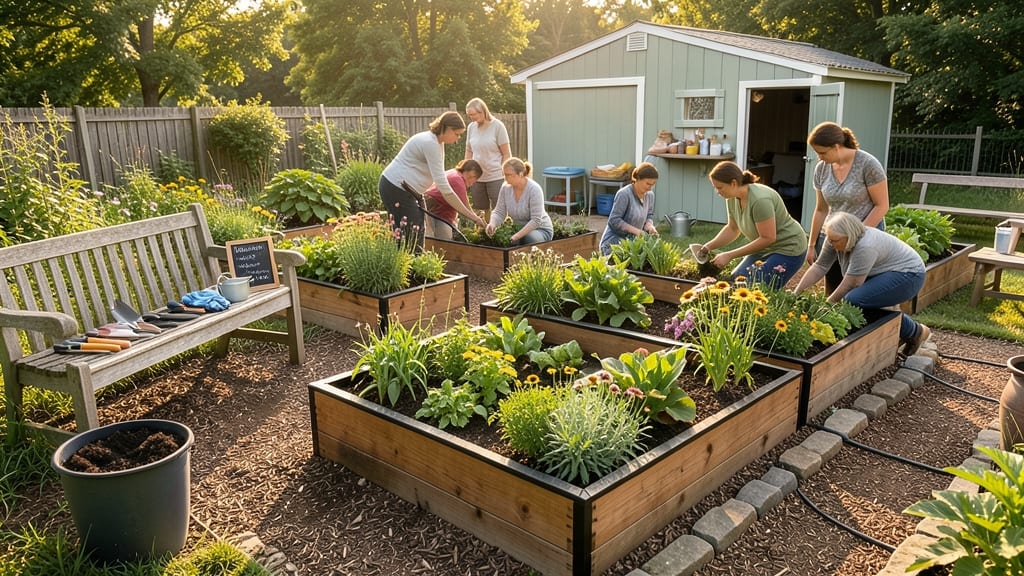
To start a community garden in Salt Lake City, connect with local organizations like Salt Lake City Community Gardens or Utah State University Extension for plot availability, obtain necessary city permits, and collaborate with volunteers for ongoing upkeep. Many gardens provide shared tools and resources tailored for new gardeners.
Salt Lake City offers a vibrant network of community gardens perfect for both beginners and experienced growers. 🌱 The city's unique climate—hot summers and cold winters—means gardens often focus on cold-hardy crops like kale, carrots, and potatoes, while also providing greenhouses for extending seasons.
Many plots are first-come, first-served, so early outreach to organizations like Salt Lake City Community Gardens or USU Extension is key. What sets these gardens apart is their emphasis on sustainability, with composting programs and water conservation techniques built into the plot management.
Beyond plot access, these gardens foster community through shared resources. You'll find everything from seed libraries to tool-sharing programs, making it easier to start growing without heavy upfront costs. The city's urban garden initiatives also provide special programs for youth and seniors, ensuring everyone can participate regardless of experience level.
💡 In This Article
- Salt Lake City Community Garden Plot Requirements and Regulations
- Top Salt Lake City Community Gardens for Beginners and Seasoned Growers
Salt Lake City community garden plot requirements and regulations
Salt Lake City’s community gardens operate under a mix of city zoning laws and land-use agreements, which means securing a plot isn’t just about finding open space—it’s about meeting specific legal and logistical standards.
The city requires all gardens to register with the Salt Lake City Community Gardens Program, which oversees water rights, liability waivers, and seasonal restrictions tied to Utah’s arid climate.
For example, plots must comply with the city’s Water Conservation Ordinance, limiting irrigation to approved hours (typically 6 AM–8 AM or 6 PM–10 PM) to prevent water waste during the dry summer months.
Permits are another critical step, especially if your garden is on public land or requires shared infrastructure like irrigation systems.
The city’s Zoning Division evaluates applications based on factors like plot size (10x20 feet minimum for individual plots), proximity to residential areas, and compliance with Utah’s Right to Farm Act, which protects gardeners from nuisance claims.
Private property gardens may still need approval from the property owner and adherence to homeowners’ association rules if applicable. 🌿 What’s unique to Utah is the emphasis on drip irrigation or soaker hoses to conserve water, a requirement many gardens enforce to avoid fines.
Seasonal restrictions also shape gardening in Salt Lake City. The short growing season—typically May through September—means most gardens focus on cold-hardy crops like kale, carrots, and potatoes, while greenhouses extend the season for tomatoes and peppers.
Gardens often require participants to sign a Liability Waiver acknowledging risks like frost damage or wildlife encounters, which are common in Utah’s unpredictable climate. For instance, late spring frosts can delay planting, so experienced gardeners recommend starting seeds indoors by mid-March to maximize the growing window.
Navigating these regulations can feel overwhelming, but most gardens offer workshops on compliance and provide templates for permit applications. For example, the Salt Lake City Community Gardens program includes a Plot Agreement Form outlining responsibilities like maintaining fences, sharing tools, and participating in group cleanups.
Violations—such as unauthorized water use or overgrown plots—can lead to revoked access, so staying engaged with the garden’s rules is key to long-term success.
One often-overlooked detail is the soil testing requirement, mandated by the city to ensure plots meet safe pH levels (6.0–7.5) for vegetable growth. Gardens typically handle this through shared compost programs, but individual gardeners may need to contribute to soil amendments.
This collaborative approach not only ensures healthy crops but also builds a sense of shared responsibility among members.
For those considering private land, leasing agreements must include clauses for water access, insurance, and maintenance responsibilities. For instance, a garden on a private lot might require the landowner to provide weekly water deliveries during droughts, while the gardeners handle daily upkeep.
Clear contracts prevent disputes and ensure the garden thrives year after year.
Pro tip: Start by attending a Salt Lake City Community Gardens open house—these events often include Q&A sessions with city officials and veteran gardeners who’ve navigated the process.
Their insights can save you time and help you avoid common pitfalls, like underestimating the 30–50 hours of labor required per season to keep a plot productive. 💫