
Tools
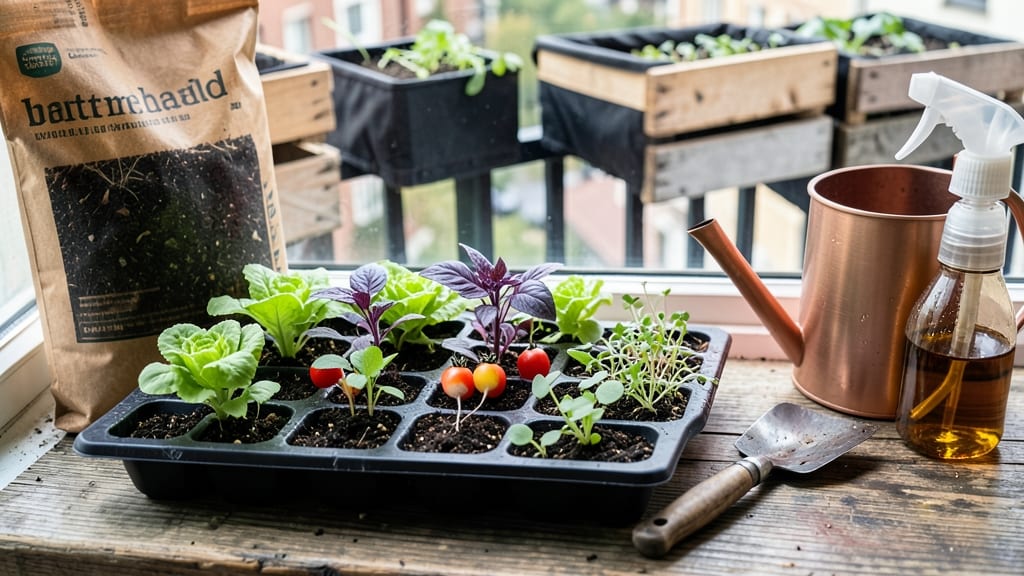
For urban garden seeds, focus on fast-growing, space-efficient varieties like bush beans, radishes, and leafy greens to get the most from limited growing areas. Choose compact or container-friendly plants with quick maturation times for continuous harvests in small spaces.
Urban gardening thrives on efficiency, so selecting seeds that mature quickly and stay compact is key. 🌱 The right varieties—like bush beans (ready in 50-60 days) or radishes (20-30 days)—let you maximize yields in tight spaces.
I’ve found that prioritizing seeds with short growth cycles means you can rotate crops faster, even in small containers or vertical gardens. For example, leafy greens like lettuce or spinach grow fast and can be harvested multiple times, while dwarf tomatoes fit perfectly in hanging baskets.
What really sets these seeds apart is their adaptability to container gardening. Many urban gardeners swear by self-watering pots or fabric grow bags, which help maintain consistent moisture—a critical factor for fast germination.
Plus, these varieties often have built-in disease resistance, making them ideal for beginners or those with less-than-perfect growing conditions. The goal is to turn every inch of space into productive growing real estate!
💡 In This Article
- Why Fast-Growing Seeds Thrive in Urban Gardens
- Top 10 Fast-Growing Urban Garden Seed Varieties
Why fast-growing seeds thrive in urban gardens
The magic of fast-growing seeds in urban gardens lies in their germination speed—the time it takes for a seed to sprout and develop. For example, radishes can germinate in just 3-5 days at 60-70°F, while bush beans take 7-10 days under the same conditions.
This rapid start means you can fit multiple harvests into a single growing season, even in small containers. The key mechanism here is epigeal germination, where the seedling pushes the cotyledons (seed leaves) above the soil, creating a faster energy transfer from the seed to the growing plant. 🌱
Compact growth habits are equally critical. Many urban-friendly seeds, like 'Patio' tomato varieties, grow only 3-4 feet tall and produce fruit in 60-70 days, compared to full-size tomatoes that take 80-90 days and reach 6+ feet. This isn’t just about height—it’s about root depth.
Leafy greens like lettuce need just 6-12 inches of soil, while bush beans thrive in 12-18 inches, making them perfect for deep containers or raised beds. Light exposure matters too: fast growers often prioritize photosynthesis efficiency, converting sunlight into energy quickly to fuel rapid growth.
Quick maturation cycles are the game-changer for urban gardeners. A 30-day radish or 50-day bush bean means you can replant the same space within weeks, maximizing your harvest in a tiny footprint. This is especially valuable in cities where space is limited and seasons are short.
For instance, in a 5-gallon container, you could grow three successive plantings of radishes in a single summer, compared to just one planting of slower-maturing carrots. The result? More food, less wasted space, and a garden that stays productive all season long. 💫
Another advantage is disease resistance in many fast-growing varieties. Urban gardens often face challenges like limited airflow or crowded planting, which can invite pests or fungal growth. Compact plants with quick cycles spend less time vulnerable to these issues.
For example, 'Early Girl' tomatoes are bred to resist common blights, while 'Cherry Belle' radishes mature before pests like flea beetles become a problem. This built-in resilience means less time troubleshooting and more time enjoying your harvest.
Consider the microclimate of your urban space. A balcony might get 6-8 hours of sunlight daily, while a rooftop garden could experience harsher winds or temperature swings. Fast-growing seeds adapt better to these fluctuations because they complete their life cycle before extreme conditions set in.
For example, spinach bolts (goes to seed) quickly in hot weather, but varieties like 'Bloomsdale Long Standing' mature in just 40 days, often before summer heat becomes overwhelming. This adaptability is why urban gardeners rely on them.
Finally, the economic and environmental payoff is significant. Fast-growing seeds reduce the need for expensive soil amendments or large containers, making urban gardening accessible. They also encourage sustainable practices—like composting kitchen scraps for small-scale nutrient cycling—because the system is designed to turn over quickly.
In a 10x10-foot rooftop garden, you could grow enough bush beans for a family of four in just two months, compared to four months for pole beans. That’s urban gardening at its most efficient! ✨