
Plants
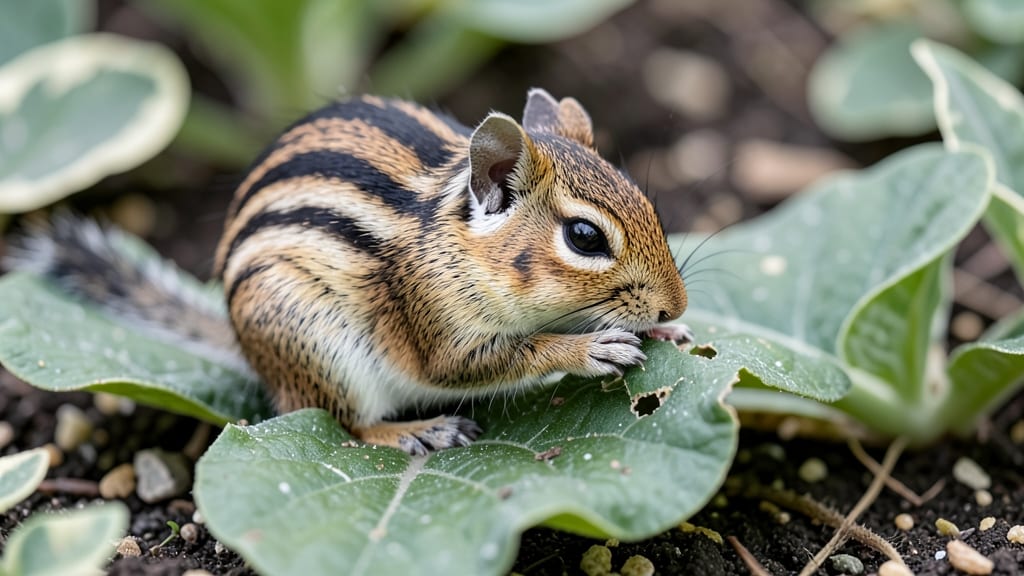
Yes, chipmunks eat garden plants voraciously, especially tender vegetables like lettuce, beans, peas, and carrots, often stripping entire crops. Their burrowing habits also damage roots and soil structure, making them a persistent garden pest for many home growers.
Chipmunks are notorious for their plant-eating habits, particularly when it comes to home gardens. 🌱 Their diet consists mostly of seeds, fruits, and—you guessed it—vegetables, which they raid with surprising speed. Unlike squirrels, chipmunks prefer smaller, softer plants, making your salad greens and young seedlings prime targets.
What's worse, their digging can uproot entire plants, leaving your garden looking like a war zone.
These tiny rodents are most active during dawn and dusk, which is when they'll do the most damage. If you've noticed missing leaves or chewed stems, chances are a chipmunk (or two) is the culprit.
The good news? With the right strategies—like using repellents or barriers—you can protect your garden from their relentless foraging.
💡 In This Article
- Chipmunk Diet: Why Garden Vegetables Are Their Favorite Snacks
- Natural and Chemical Solutions to Deter Chipmunks from Your Garden
Chipmunk diet: why garden vegetables are their favorite snacks
Chipmunks are opportunistic foragers, and their diet reveals a fascinating balance between protein and carbohydrates. 🌱 While they'll snack on seeds and insects, garden vegetables become their primary target because they offer both quick energy and essential nutrients.
Studies show that chipmunks prefer plants with high sugar content (like corn) and soft textures (such as lettuce leaves), which require minimal chewing. Their tiny teeth can't handle tough stems or skins, so they focus on the most vulnerable parts—like the tender tips of beans or the roots of carrots.
The real reason they go after gardens is seasonal scarcity. In late summer and fall, when natural food sources like berries and nuts become scarce, chipmunks turn to cultivated plants for survival.
Their cheeks can expand to hold up to 50 seeds or small food items at once, allowing them to gorge on garden vegetables during these critical periods. Unlike squirrels, which bury nuts for winter, chipmunks eat on demand, making them more destructive to active crops.
What makes this behavior particularly frustrating for gardeners is their burrowing technique. Chipmunks dig shallow tunnels (6-12 inches deep) to access roots, creating a network that weakens soil structure and exposes plants to disease.
Their digging isn't just about food—it's also a way to create nesting sites and escape predators. The damage compounds when multiple chipmunks target the same area, turning your carefully tended garden into a buffet zone.
Interestingly, chipmunks have a strong preference for certain vegetables over others. Research from the University of California found that lettuce, peas, and beans are the top three targets because they're high in moisture and easy to digest.
Carrots and radishes also rank high, but chipmunks avoid cruciferous vegetables (like broccoli) due to their bitter compounds. This selectivity means you can use plant placement as a natural deterrent—surrounding prized crops with less appealing options like marigolds or onions can help redirect their foraging.
Their foraging behavior also has ecological consequences. While they help disperse seeds, their preference for cultivated plants creates an imbalance in garden ecosystems. Native plants often get neglected as chipmunks focus on the easiest, most rewarding garden targets.
This is why many gardeners consider them pests—they disrupt the natural cycle of plant growth and reproduction in home landscapes.
Understanding this dietary pattern is key to protecting your garden. Chipmunks aren't just eating your plants out of habit; they're following biological needs and seasonal cues. By recognizing these triggers, you can implement targeted solutions that address both their nutritional requirements and their foraging instincts. 💫