
Container Gardens
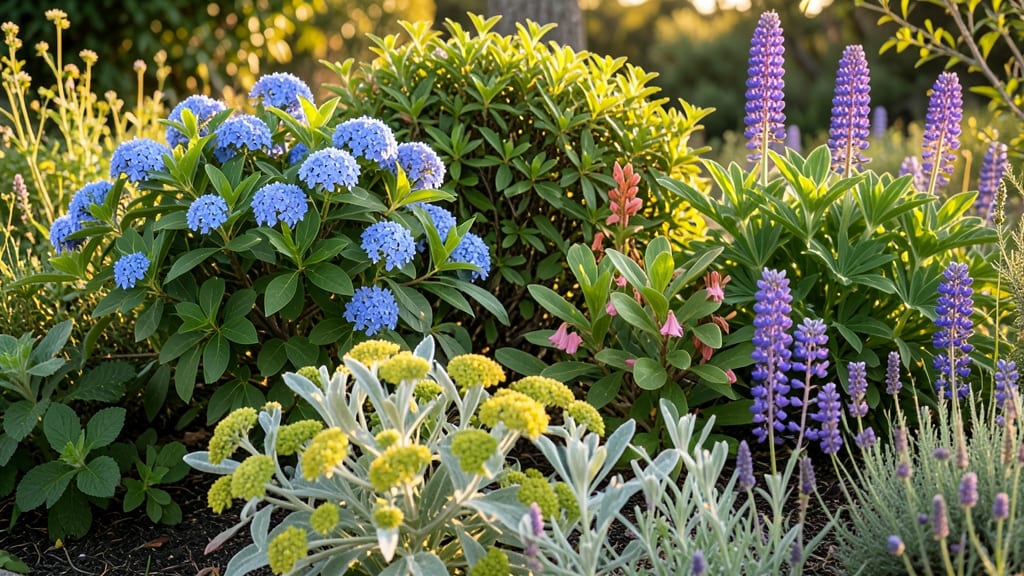
The University of California Riverside Botanic Gardens houses over 3,000 plant species across 15 specialized collections, including rare cacti, native California flora, and global desert ecosystems. Its research focuses on conservation, climate-adapted horticulture, and sustainable landscaping techniques for arid regions.
The University of California Riverside Botanic Gardens isn't just a showcase—it's a living laboratory where 15 distinct plant collections serve as real-world classrooms for scientists and gardeners alike. 🌵 From the towering California fan palms to drought-resistant desert wildflowers, each collection tells a story about survival in harsh conditions.
What makes this garden special is how it bridges research and public access: visitors can walk through the Native Plant Garden while learning about species that are critical for pollinators, or explore the Succulent Garden to see plants that thrive with minimal water.
Beyond its visual beauty, the gardens play a key role in developing climate-resilient plants for modern landscapes. Researchers here test how different species adapt to heat and drought, then share those findings with home gardeners through workshops and citizen science programs.
Whether you're a plant enthusiast or just curious about sustainable gardening, this hidden gem offers inspiration—and practical solutions—for growing thriving plants in challenging environments.
💡 In This Article
- Exploring UC Riverside’s Specialized Plant Collections
- How UC Riverside Botanic Gardens Advances Horticultural Science
Exploring UC riverside’s specialized plant collections
At the heart of the UC Riverside Botanic Gardens lies a scientific treasure trove—15 meticulously curated collections that span continents and ecosystems.
The Palm Collection, for instance, features 25 species of palms, including the rare California fan palm (Washingtonia filifera), which thrives in the region’s Mediterranean climate.
This collection isn’t just about aesthetics; researchers study how these palms adapt to temperature fluctuations between 50°F and 100°F, offering insights for urban landscaping in heat-prone cities. 🌿 The Succulent Garden takes this further, showcasing over 300 species of cacti and succulents that store water in their tissues—a survival strategy critical for drought-prone areas like Southern California.
One standout collection is the Native Plant Garden, home to 500+ species indigenous to California, such as the California buckwheat (Eriogonum fasciculatum), a drought-resistant shrub that supports pollinators.
Here, scientists track how these plants interact with local wildlife, like the Valley elderberry longhorn beetle, to assess biodiversity health.
The garden’s arid meadow section mimics natural habitats where grasses like purple needlegrass (Nassella pulchra) grow in less than 10 inches of annual rainfall, proving that beauty and resilience go hand-in-hand. 🌵
What makes these collections unique is their role in conservation and climate adaptation. Take the Global Desert Ecosystems Garden, which replicates habitats from the Sonoran Desert (Arizona) to the Namib Desert (Africa).
Here, researchers compare how plants like the desert marigold (Baileya multiradiata) and living rock plant (Lithops) survive extreme conditions—findings that directly inform water-saving gardening techniques for homeowners.
The garden’s shade-cloth structures simulate microclimates, allowing scientists to test how species respond to increased heat and reduced rainfall, a critical tool as global temperatures rise.
The Citrus Variety Collection offers another fascinating case study. With 120+ citrus cultivars, including heirloom varieties like the Satsuma mandarin and Yuzu, this collection explores disease resistance and flavor diversity.
Researchers here have identified a citrus rootstock that thrives with 30% less water than traditional varieties—a breakthrough for California’s citrus industry, where water scarcity is a growing challenge. 🍊 Visitors can even taste samples during seasonal harvests, connecting them to the science behind their favorite fruits.
Behind the scenes, the gardens’ collections serve as living archives for genetic diversity. The Seed Bank, for example, preserves seeds from endangered species like the Santa Ana daisy (Erigeron parishii), ensuring their survival even if wild populations decline.
By studying these seeds, scientists can reintroduce lost genetic traits—like drought tolerance—to modern crops. The Alpine Garden takes this further, featuring plants adapted to high elevations and freezing temperatures, such as the Mount Lyell’s daisy (Erigeron lyalli), which grows in the Sierra Nevada’s 10,000-foot peaks.
These extremes help researchers understand the limits of plant resilience.
For gardeners, the takeaway is clear: these collections aren’t just for scientists. Many species—like the California lilac (Ceanothus) or deer grass (Muhlenbergia rigens)—are perfectly suited for home landscapes.
The gardens’ public workshops teach techniques like mulching with gravel (to reduce evaporation) or grouping plants by water needs, turning research into actionable advice. Whether you’re a novice or a seasoned gardener, exploring these collections reveals how nature’s solutions can inspire your own backyard. ✨