
Tools
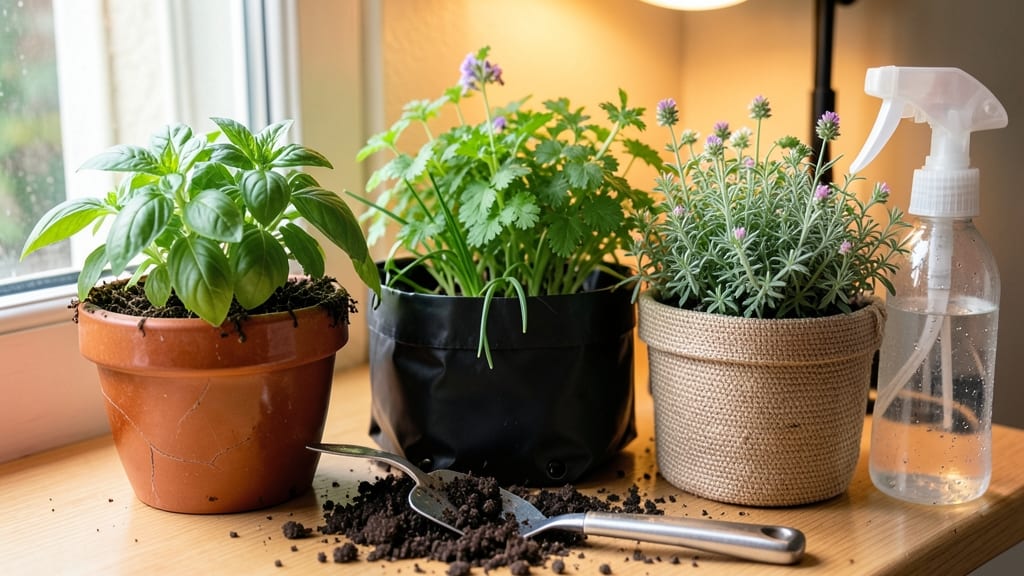
A do-it-yourself indoor herb garden thrives when you start with sun-loving herbs like basil or parsley in shallow pots with drainage, placing them near bright windows or under LED grow lights for 6-8 hours daily. Rotate pots weekly and mist leaves regularly to keep them lush and healthy.
Starting an indoor herb garden is easier than you think—even in small apartments. 🌱 The key is choosing herbs that match your space and light conditions.
Compact varieties like thyme or chives grow well in shallow containers, while taller plants like basil need deeper pots and regular pruning to stay bushy. I recommend using tiered shelves or hanging pots to maximize vertical space without cluttering your countertops.
For lighting, south-facing windows work best, but if natural light is limited, LED grow lights on a timer can mimic sunlight perfectly.
Once your herbs are planted, consistency is everything. Most herbs prefer dry soil, so water only when the top inch feels dry, and always use pots with drainage holes to prevent root rot.
Prune regularly to encourage new growth, and don’t forget to rotate your plants weekly so they grow evenly. With the right setup, you’ll have fresh herbs year-round—no green thumb required!
💡 In This Article
- Choosing the Best Herbs and Containers for Small Spaces
- DIY Indoor Herb Garden Lighting and Maintenance Tips
Choosing the best herbs and containers for small spaces
Not all herbs thrive equally in indoor conditions, so selecting the right varieties is crucial. Compact, fast-growing herbs like basil, mint, and parsley are ideal for beginners because they grow quickly and don’t require much space.
Basil, for example, typically reaches 12-24 inches tall but stays bushy when pruned regularly, while mint spreads aggressively—making it perfect for hanging pots to contain its 18-inch spread.
Thyme and chives, on the other hand, are low-light tolerant and stay under 12 inches tall, making them great for windowsills or shelves with limited sunlight.
The container you choose directly impacts your herbs' health. Shallow pots (4-6 inches deep) work well for herbs with shallow root systems like chives or parsley, while deeper pots (8-12 inches) are better for basil or rosemary, which have longer roots.
Always use containers with drainage holes to prevent root rot—a common issue when water sits in soggy soil. For small spaces, consider tiered shelves or vertical planters, which can hold 3-5 plants in a footprint no larger than a standard pot.
Hanging pots are another space-saving hack, especially for trailing herbs like mint or oregano.
Light exposure plays a huge role in herb growth, but not all herbs need the same amount. Sun-loving herbs like basil and rosemary require 6-8 hours of direct light daily, while low-light herbs like chives or thyme can thrive with just 3-4 hours.
If your space lacks natural light, LED grow lights on a timer can simulate sunlight, but position them 6-12 inches above the plants to avoid burning leaves. Rotate your pots weekly to ensure even growth, as herbs naturally lean toward the light source.
Soil quality matters just as much as containers and light. Use a well-draining potting mix designed for herbs or create your own blend by mixing 50% potting soil, 30% perlite, and 20% compost. This combination ensures proper aeration and moisture control, preventing both overwatering and drought stress.
For humidity-loving herbs like basil, place a tray of water near the plants or mist the leaves lightly every 2-3 days to mimic outdoor conditions.
One common mistake beginners make is overcrowding plants in small containers. Each herb should have enough space to grow without competing for nutrients. A general rule is to plant herbs 3-6 inches apart, depending on their mature size.
For example, basil plants should be spaced 6 inches apart, while thyme can grow happily 3 inches apart. Overcrowding leads to weak stems, yellowing leaves, and poor growth—so plan your layout carefully to avoid these issues.
For those with limited counter space, consider repurposing household items like mason jars, colanders, or even old tin cans as herb containers. Just ensure they have drainage holes (drill them if needed) and use a coffee filter at the bottom to prevent soil from escaping.
This creative approach not only saves space but also adds a rustic charm to your indoor garden. 🌿