
Pests
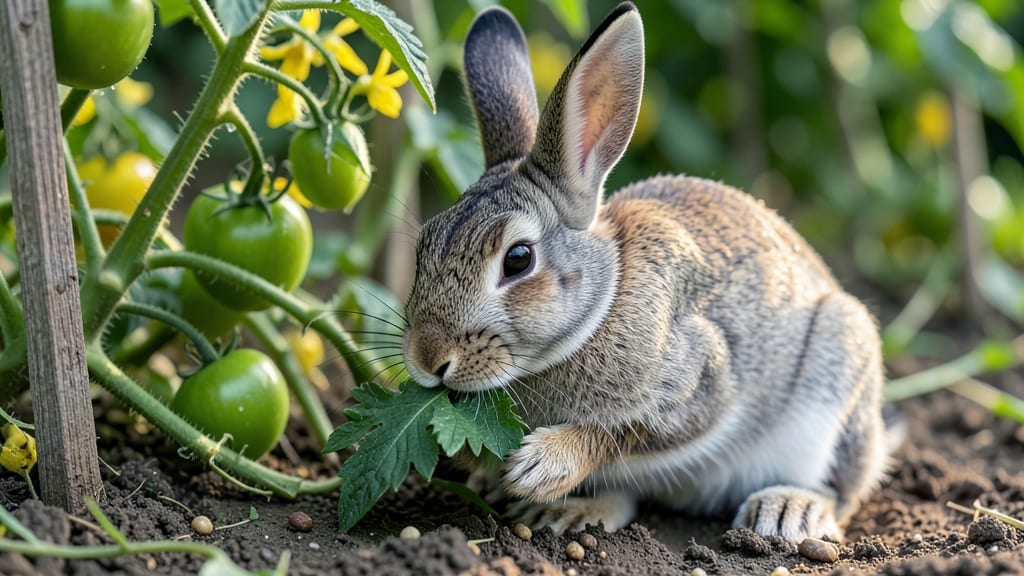
Rabbits do eat tomatoes in gardens, but gardeners should discourage this habit—tomato leaves and stems contain solanine, a toxic compound that can cause digestive upset, weakness, or neurological issues in rabbits. Only the ripe fruit in very small portions is considered safe, though it's still not an ideal dietary choice for them.
While rabbits might nibble on tomato plants in your garden, the risks far outweigh any benefits. 🌱 The solanine in green fruit and foliage can lead to serious health problems, including drooling, lethargy, or even seizures in severe cases.
Even ripe tomatoes lack the nutritional value rabbits need—think leafy greens like kale or herbs such as parsley instead. If you're growing tomatoes, consider raised beds or protective barriers to keep curious bunnies away from the toxic parts.
For a rabbit-friendly garden, focus on plants like cilantro, dandelion greens, or clover—these provide essential nutrients without the dangers. 🐰 Companion planting with herbs can also help deter rabbits naturally, creating a safer space for both your garden and your pets.
💡 In This Article
- Toxic Components in Tomatoes: Why Rabbits Should Avoid Them
- Rabbit-Friendly Garden Alternatives to Tomatoes
Toxic components in tomatoes: why rabbits should avoid them
Tomato plants contain solanine, a glycoalkaloid toxin primarily concentrated in the leaves, stems, and unripe fruit. This compound acts as a natural defense mechanism against herbivores, including rabbits. Solanine levels can vary significantly—green tomatoes contain about 5-7 mg/g of solanine, while ripe red fruit typically has 0.1-0.3 mg/g.
For a 2 kg (4.4 lb) rabbit, consuming just 0.2 mg/kg of body weight can cause mild toxicity symptoms, making even small amounts of green parts dangerous.
The toxicity works by interfering with acetylcholine receptors in the nervous system, leading to symptoms that progress from digestive upset to neurological issues. Rabbits may first show signs like excessive drooling, loss of appetite, or soft feces within hours of ingestion.
In severe cases, symptoms escalate to muscle weakness, seizures, or even coma if the rabbit consumes large quantities. The green parts are particularly hazardous because their high solanine content creates a bitter, acrid taste that rabbits might still nibble despite the unpleasantness.
What makes this even more concerning is how rabbits forage. Their natural behavior includes grazing on multiple plants, which means they might sample small amounts of tomato foliage repeatedly over time.
This cumulative exposure can lead to chronic low-level toxicity, causing subtle but harmful effects like weight loss or reduced immune function. Even ripe tomatoes, while safer, lack the essential nutrients rabbits need—such as high-fiber leafy greens or vitamin-rich herbs—which makes them a poor dietary choice overall.
To put this into perspective, consider that a single medium-sized tomato plant can produce enough foliage to expose a rabbit to toxic doses if they graze regularly. The plant's natural defenses are so effective that even deer and livestock avoid tomato plants unless starving.
For pet rabbits, this means gardeners must take proactive steps to prevent access, as the risks simply aren't worth the occasional nibble of ripe fruit.
Interestingly, solanine breaks down when exposed to light and air, which is why green tomatoes left in sunlight for several days become slightly less toxic. However, this process isn't reliable enough to consider them safe for rabbits.
The best approach is always prevention—keeping tomato plants protected or choosing rabbit-friendly alternatives that provide both nutrition and safety.
If you suspect your rabbit has ingested tomato parts, monitor for symptoms and contact a vet immediately. Early intervention can make a significant difference in recovery outcomes, especially for young or elderly rabbits whose systems are more vulnerable to toxins.