
Tools
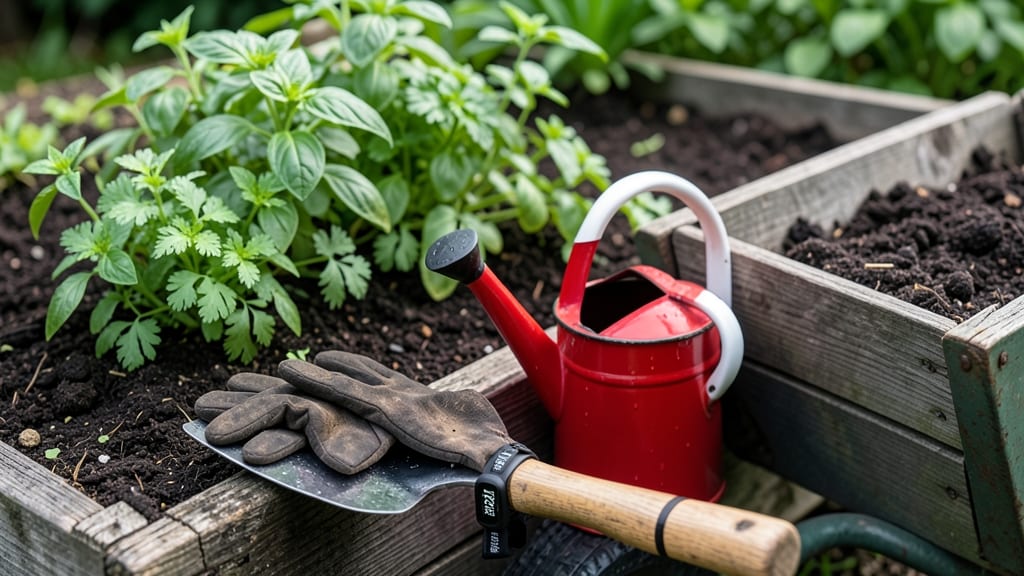
Gardening does count as exercise, functioning as moderate activity that burns 200-400 calories per hour while strengthening muscles, improving flexibility, and elevating heart rate through continuous motion.
This outdoor activity engages multiple muscle groups—your legs from squatting, your core from bending, and your arms from lifting—while the repetitive motions of digging, planting, and weeding create a full-body workout. 🌱 What sets gardening apart is its adaptability: you can control intensity by choosing heavier tools or working longer stretches, making it easier to tailor to your fitness level.
Unlike static exercises, gardening's varied movements also enhance coordination and balance over time.
Research shows that even 30 minutes of gardening can match the calorie burn of a brisk walk, but the real benefits extend beyond weight management. The fresh air exposure boosts mood through natural sunlight, and the tactile nature of working with soil reduces stress hormones.
I've found that combining gardening with short bursts of higher effort—like power-pruning or carrying bags of compost—can turn it into a cardio-boosting session.
💡 In This Article
- How Gardening Burns Calories and Strengthens Your Body
- Maximizing Gardening’s Exercise Benefits: Techniques and Tips
How gardening burns calories and strengthens your body
Gardening activates a surprising number of muscle groups, creating a full-body workout that rivals many structured exercises. When you dig, your legs and glutes engage in powerful movements—similar to lunges—while your core stabilizes as you bend and twist.
Even simple tasks like pulling weeds require your forearms and shoulders to exert force, with studies showing these actions can generate up to 150-200 pounds of pressure per square inch on tools like trowels.
The repetitive nature of these motions elevates your heart rate, making gardening a moderate-intensity aerobic activity according to the American College of Sports Medicine.
The metabolic impact varies dramatically based on task intensity. Light gardening—like trimming plants or raking—burns about 150-200 calories per hour, comparable to leisurely walking.
But when you switch to heavier work—digging, moving mulch, or carrying 20-30 pound bags—calorie expenditure jumps to 300-400 calories per hour, matching activities like cycling at 12-14 mph.
What's fascinating is how these activities engage fast-twitch muscle fibers during bursts of effort (like pulling stubborn weeds), while the sustained movements (like watering) work your slow-twitch fibers for endurance. This dual activation explains why gardeners often notice improved muscle tone without feeling the fatigue of traditional strength training.
This full-body engagement also translates to measurable health benefits. Research published in the Journal of Physical Activity and Health found that gardeners had 20% better grip strength and 15% improved balance compared to sedentary adults, thanks to the combination of resistance and coordination required.
The outdoor setting adds another layer: exposure to sunlight triggers vitamin D production, while the fresh air improves lung capacity through deep breathing patterns. Unlike gym workouts, gardening's variable resistance (soil texture, plant weight) keeps your body adapting, similar to how interval training works but with natural variability.
What most people overlook is how gardening's asymmetrical movements—like reaching across your body to plant seeds—enhance functional fitness. These cross-body motions improve shoulder mobility and rotational strength, which are often neglected in traditional exercise routines.
For comparison, a 30-minute gardening session can burn as many calories as 45 minutes of yoga but with greater muscle activation in your lower body and core. The key difference?
Gardening's unpredictable terrain (uneven ground, shifting soil) forces your stabilizer muscles to work harder, creating a more dynamic workout than most home exercises.
Consider the science behind your shovel work: each dig engages your quadriceps, hamstrings, and calves in a controlled eccentric contraction (lengthening under load), which builds muscle more efficiently than concentric movements (like lifting). The 30-60 degree bending at your hips during planting activates your iliopsoas muscles, critical for mobility.
Even your hand grip strength improves by up to 30% after consistent gardening, thanks to the resistance provided by tools and soil. This explains why gardeners often report reduced joint pain—the activity strengthens muscles that support your skeleton without the impact stress of running.
The cardiovascular benefits come from gardening's continuous motion pattern. While not as intense as jogging, the combination of repetitive movements and occasional bursts of effort (like pulling a stubborn weed) creates what fitness experts call "variable-intensity exercise."
This mimics the natural movement patterns of daily life better than steady-state cardio, making it more sustainable for long-term health.
For those tracking fitness metrics, gardening typically keeps your heart rate in the 50-65% of maximum heart rate range, the optimal zone for improving cardiovascular endurance without overstressing the body.