
Tools
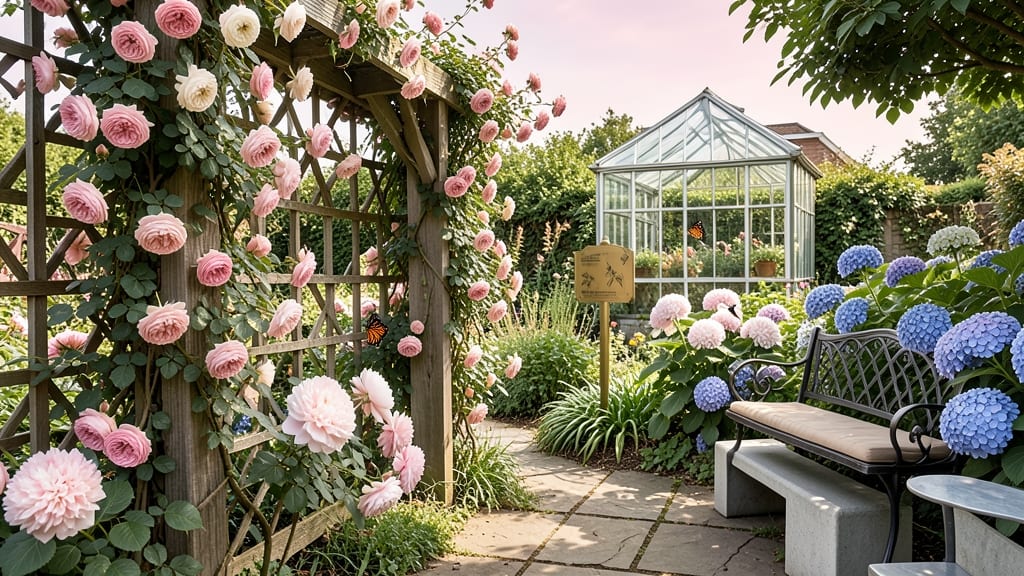
Longwood Gardens reviews consistently highlight it as a must-visit botanical garden, celebrated for its breathtaking seasonal displays, rare plant collections, and unforgettable outdoor attractions. Travelers rave about the serene environment, educational workshops, and the legendary Water Lily Display as top reasons to visit.
What truly sets Longwood Gardens apart in visitor feedback is its seamless blend of natural beauty and interactive learning. 🌸 The garden's sprawling 1,000-acre landscape features over 10,000 varieties of plants, including rare specimens that even seasoned horticulturists admire.
Many reviews mention how the well-maintained pathways and thoughtfully placed benches make exploration effortless, while the conservatories provide climate-controlled escapes during inclement weather. The educational programs—like the behind-the-scenes tours—receive particular praise for making botany accessible and engaging for all ages.
Visitors also frequently comment on the garden's seasonal transformations, with spring's vibrant tulips and fall's fiery chrysanthemums creating photo-worthy moments. The iconic Water Lily Display, which changes annually, often gets special mention as a highlight that justifies the trip alone.
What's particularly impressive is how the garden maintains its charm year-round, offering unique attractions in every season, from winter's holiday lights to summer's fountain shows.
💡 In This Article
- Why Longwood Gardens Stands Out Among Botanical Gardens
- Best Times to Visit Longwood Gardens for Optimal Experiences
Why Longwood gardens stands out among botanical gardens
Longwood Gardens distinguishes itself through its 1,000-acre masterpiece, a scale that dwarfs many competitors like Kew Gardens' 326 acres or Brooklyn Botanic Garden's 52 acres. The property's meticulous design integrates formal gardens with natural landscapes, creating a harmonious blend that feels both structured and wild.
What truly sets it apart is the Longwood Graduate Program in Public Horticulture, one of only two such programs in the U.S., which directly informs the garden's cutting-edge plant displays and conservation efforts.
The historic conservatories play a pivotal role in this distinction. The Main Fountain Garden, with its 200-foot-tall water display, is the largest of its kind in the world, while the Conservatory Complex houses over 5,000 plant species in climate-controlled environments.
Unlike many gardens that focus solely on outdoor displays, Longwood's conservatories create microclimates that allow visitors to experience tropical, desert, and temperate ecosystems year-round. 🌿 The Rhododendron Display, featuring 15,000 plants from 250 species, is another standout that even Kew Gardens envies for its sheer diversity.
What visitors consistently praise in reviews is the immersive sensory experience Longwood delivers. The scent gardens feature plants like jasmine and lavender that release their fragrances at specific times of day, while the tactile gardens include textured plants like monkey grass and fuzzy lamb's ear.
This multisensory approach creates emotional connections that standard botanical gardens often miss. The Water Lily Display, for instance, doesn't just showcase plants—it creates a meditative atmosphere through its strategic placement of 1,000 water lilies that bloom in synchronized waves.
Longwood's educational innovation further separates it from peers. The Children's Garden uses interactive water features and plant-based games to teach horticulture, while the Adult Education programs offer advanced topics like urban forestry and native plant landscaping. This dual approach—engaging both kids and horticulture professionals—is rare in the industry.
The garden's research arm, which develops new plant varieties, also contributes to its reputation as a forward-thinking institution rather than a static collection of plants.
Comparing Longwood to other top gardens reveals its unique strengths. While Kew Gardens boasts more tropical species, Longwood's temperate climate collections are unmatched in their seasonal variety. Brooklyn Botanic Garden excels in urban accessibility, but Longwood's rural setting provides a more expansive, less crowded experience.
The combination of scale, education, and sensory design creates a visitor experience that feels both comprehensive and deeply personal—something most gardens struggle to achieve.
What most reviews don't mention is how Longwood's lighting design transforms the garden at night. The Fountain Show uses 17,000 lights to create water projections that dance across the Main Fountain, while the holiday displays feature 500,000 lights that run through 15 different shows.
This nighttime programming extends the visitor experience beyond daylight hours, making it one of the few gardens where evening visits feel as magical as daytime exploration. ✨