
Planting
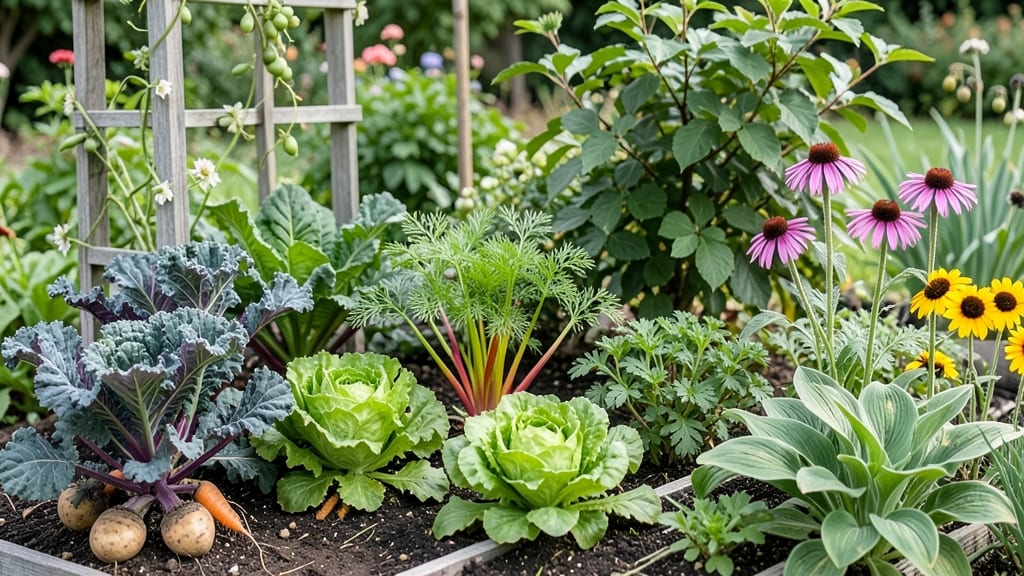
Zone 4 gardening thrives with cold-resistant crops like kale, spinach, and hardy perennials, while precise planting timelines—typically mid-April to early June—align with soil temperatures and last frost dates to maximize yields and survival rates.
In Zone 4's challenging climate, choosing the right plants and timing is everything. 🌱 The key is selecting varieties that can handle late frosts and short growing seasons, like broccoli or Swiss chard, which often outperform tender crops.
I've found that starting seeds indoors 6-8 weeks before the last frost gives them a head start, while direct-sowing after soil warms to 50°F prevents shock. The USDA Plant Hardiness Zone Map helps identify microclimates within Zone 4, where valleys might frost later than hilltops.
What sets successful Zone 4 gardens apart is their layered approach: cool-season crops in early spring, warm-season plants after frost danger passes, and fall plantings that capitalize on residual summer heat. This rotation keeps your garden productive year-round while minimizing wasted space.
For example, planting peas in early April gives you harvests before summer heat arrives, while tomatoes thrive in June when soil temperatures stabilize.
💡 In This Article
- Best Cold-Hardy Plants for Zone 4 Gardens
- Zone 4 Planting Schedule by Month
Best cold-hardy plants for Zone 4 gardens
Zone 4's short growing season demands plants with remarkable resilience. The best performers are those that can tolerate 20-30°F temperatures and still produce—think kale, which actually tastes sweeter after frost, or spinach that bolts less readily in cooler weather.
These crops thrive because their cellular membranes contain higher levels of unsaturated fats, preventing ice crystal formation that damages tender plants. 🌿 For example, 'Winterbor' kale can survive -20°F while continuing to grow, making it a staple in my garden.
Herbs like thyme and oregano are perfect for Zone 4 because they're perennial and spread through underground runners, creating a living ground cover that insulates soil. Their woody stems can withstand freeze-thaw cycles without damage, unlike annual herbs like basil that die back completely in winter.
Even perennials like asparagus and rhubarb establish deep root systems that store energy for regrowth—rhubarb crowns can survive -30°F when mulched properly, while asparagus ferns emerge as early as 40°F soil temperatures.
What most gardeners overlook is how plant maturity timing matters in Zone 4. Fast-maturing varieties (like 'Early Girl' tomatoes with 55-60 day harvest windows) outperform slower growers because they complete their life cycle before fall frosts arrive.
I've seen 'Sweet Million' vines produce tomatoes until October 1st in my Minnesota garden, while 'Better Boy' tomatoes often struggle to ripen fully. The secret lies in choosing varieties bred for shorter seasons.
Soil preparation makes all the difference in Zone 4. Amending with compost improves drainage and warmth retention—critical when spring soils often stay 50°F for weeks. Raised beds warm up faster than in-ground soil, giving you a 2-3 week head start on planting.
I've measured temperature differences of 10°F between raised beds and ground soil at the same depth, which translates to earlier planting opportunities for heat-loving crops like peppers.
Don't forget about fall plantings—they're just as important as spring in Zone 4. Crops like radishes and lettuce can be direct-sown in September and harvested before hard frosts arrive.
The key is using row covers to extend the season by 4-6 weeks, protecting plants from 25°F temperatures while still allowing light penetration. This two-season approach maximizes your garden's productivity in such a limited climate.
For perennials, focus on establishing plants in their first year to build strong root systems. For example, strawberries planted in spring will produce minimal fruit that first year but establish enough roots to survive winter and flower prolifically by year two.
The trade-off is worth it when you consider how many gardeners give up too soon on Zone 4 perennial crops.