
Tools
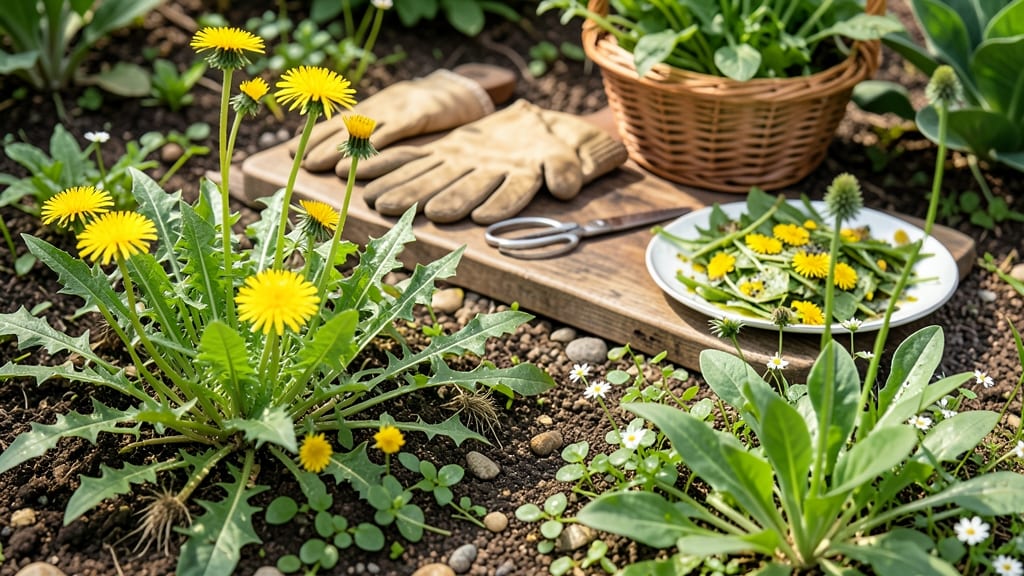
To eat weeds from your garden safely, focus on broad-leaved varieties like dandelion greens or purslane, while avoiding toxic lookalikes such as poison ivy or foxglove. Always cross-reference with a field guide or plant ID app before consumption.
Not all garden weeds are dangerous—some are packed with nutrients and flavor! 🌱 Many edible varieties like chickweed or lamb's quarters thrive in disturbed soil, offering a free, organic harvest.
The key is proper identification: look for smooth stems, serrated edges, and a lack of milky sap (a red flag for toxicity). I always wash harvested weeds thoroughly under cold water to remove dirt and potential pesticide residue before using them in salads or sautéed dishes.
Even edible weeds require caution—some can be bitter raw, while others become tender when lightly cooked. For example, dandelion greens are best blanched to remove bitterness, while purslane's crisp texture shines in fresh salads.
Always start with small portions to test tolerance, as even safe weeds might cause mild digestive reactions in some people.
💡 In This Article
- Key Visual Clues to Identify Edible Garden Weeds
- Safe Harvesting and Cooking Methods for Garden Weeds
Key visual clues to identify edible garden weeds
Edible garden weeds typically share distinct botanical features that set them apart from toxic lookalikes. First, focus on leaf structure: safe varieties like dandelion and purslane have broad, simple leaves without compound leaflets.
Dandelion leaves grow in a rosette pattern with deeply serrated edges, while purslane's leaves are thick, fleshy, and arranged in pairs along the stem. These characteristics contrast sharply with poisonous plants like poison ivy, which has three glossy leaflets and a smooth, hairless stem.
The stem texture offers another critical clue. Edible weeds often feature smooth, hairless stems—like those of lamb's quarters, which have a slightly powdery coating. In contrast, dangerous plants such as water hemlock (the most toxic weed in North America) have hollow, purple-streaked stems and a strong, unpleasant odor.
Root structure also matters: edible taproots like dandelion are thick and fleshy, while toxic roots (such as those of foxglove) are fibrous and often contain cardiac glycosides that can be fatal.
Color and aroma play subtle but vital roles in identification. Safe weeds like plantain have broad, oval leaves with parallel veins and a mild, slightly earthy smell.
Toxic mimics, however, often exhibit warning colors—bright red stems (like deadly nightshade) or yellow sap (a sign of milkweed, which is generally safe but can cause mild stomach upset). Always avoid plants with milky sap, as it frequently indicates the presence of toxic latex compounds.
Light exposure and growth patterns provide additional verification. Most edible weeds thrive in full sun and grow low to the ground, while many toxic species prefer shaded or moist environments. For example, stinging nettle (edible when cooked) grows in dense patches, whereas water hemlock often appears in damp, weedy areas.
When in doubt, perform the "scratch test": gently rub a leaf between your fingers—safe weeds feel soft or slightly gritty, while toxic varieties may leave a burning sensation or sticky residue.
Technology can bridge the gap when visual clues are ambiguous. Apps like iNaturalist or PictureThis allow you to upload photos for instant identification, cross-referencing with a database of verified plants.
These tools are particularly useful for distinguishing between edible plantain (broad, ribbed leaves) and toxic pokeweed (glossy, purple-streaked stems). Always verify with multiple sources, as misidentification can have serious consequences.
Seasonal variations also affect appearance. Young dandelion leaves in spring are tender and less bitter, while mature plants develop woody stems and deeply lobed leaves. Similarly, purslane remains crisp and juicy in warm weather but can become rubbery in cold snaps.
Harvesting in the morning—when plants are hydrated and free of dew—ensures the best texture and flavor. This timing also reduces the risk of pesticide contamination, as many weeds absorb chemicals from the soil during peak daylight hours.