
Size
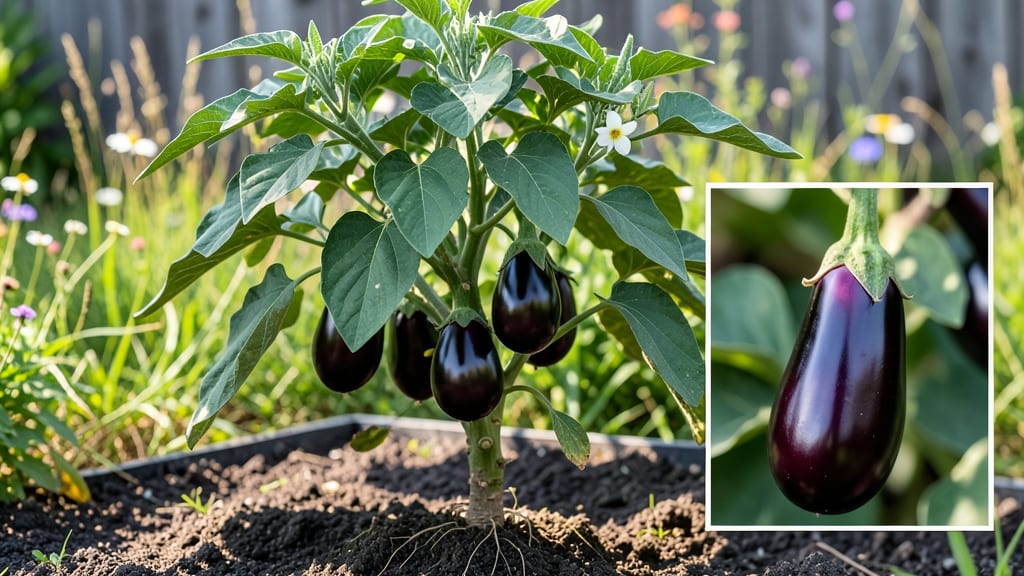
Growing eggplant from a garden egg stock is possible by saving the root base after cutting the fruit, replanting it in moist potting mix, and providing bright indirect light to encourage new shoots in 2-4 weeks. This cost-effective method works with both store-bought and homegrown eggplant stems.
This regrowth technique taps into the eggplant's natural ability to regenerate from its base, where dormant buds remain viable even after harvesting. 🌱 The key is maintaining consistent moisture and warmth—similar to how you'd care for a houseplant—while avoiding direct sunlight, which can scorch tender new growth.
I've found that using a clear plastic dome or humidity tray speeds up the process by creating a mini greenhouse effect, though most gardeners see results within a month without extra equipment.
For best results, choose organic eggplants when possible, as conventionally grown varieties may have been treated with growth inhibitors. The regrown plants will be smaller than their parent but produce fruit with identical flavor and texture, making this an excellent way to extend your garden's productivity without extra cost.
💡 In This Article
- How Eggplant Regrowth Works: Science Behind Sprouting Scraps
- Step-by-Step Guide to Reviving Eggplant from Scraps
How eggplant regrowth works: science behind sprouting scraps
The eggplant's remarkable ability to regrow stems from its axillary buds—tiny growth points located along the stem just above where leaves attach. These buds remain dormant until triggered by proper conditions.
When you replant the root base, the plant's natural auxin hormones (growth regulators) activate, signaling these buds to break dormancy and form new shoots.
This process is similar to how potatoes regrow from their eyes, but eggplants rely on their stem's vascular system to transport nutrients and water to the emerging growth points.
Temperature plays a critical role in this regeneration. Eggplants thrive in 70-85°F conditions, which is why most regrowth happens fastest during spring or summer. Below 60°F, the cellular division slows dramatically, while above 90°F, the tender new shoots risk heat stress.
The root system must stay consistently moist but not waterlogged—60-70% humidity at the soil level creates ideal conditions for root hair development, which absorbs water and nutrients to fuel new growth. 🌱
Light quality matters more than intensity at this stage. Bright indirect light (like east-facing windows or 1,000-2,000 lux artificial grow lights) provides the photosynthesis energy needed for shoot formation without scorching delicate tissue. Direct sunlight can cause photobleaching, where chlorophyll breaks down and leaves turn white.
The regrowing plant prioritizes leaf development first, which is why you'll see small green leaves appear before any new stems—this is the plant's way of establishing a food source for further growth.
What most people don't realize is that the regrown eggplant's genetic makeup remains identical to the parent plant. This is because the new growth comes from the original plant's meristematic cells, which haven't undergone any genetic changes.
The only difference is size—the regrown plant will typically produce 30-50% smaller fruit than its parent, but with identical flavor profiles. This biological consistency makes scrap regrowth particularly effective for heirloom varieties where seed saving isn't practical.
One fascinating aspect is how the plant's vascular system adapts during regrowth. The original stem's xylem and phloem (water/nutrient transport tissues) reconfigure to support the new shoots, creating a temporary "highway" system.
You can observe this by gently removing a small section of bark from the stem—you'll see the new growth points connected by a network of tiny vascular bundles. This adaptation explains why even heavily pruned eggplant stems can often regrow successfully when given proper care.
The entire process relies on the plant's apical dominance suppression—the natural inhibition of lower buds by the main growing point. When you remove the fruit-bearing top, this dominance weakens, allowing the dormant buds to activate.
This is why it's crucial to keep the root base intact when harvesting—damaging this zone can sever vital connections between the roots and potential growth points. 💫