
Tools
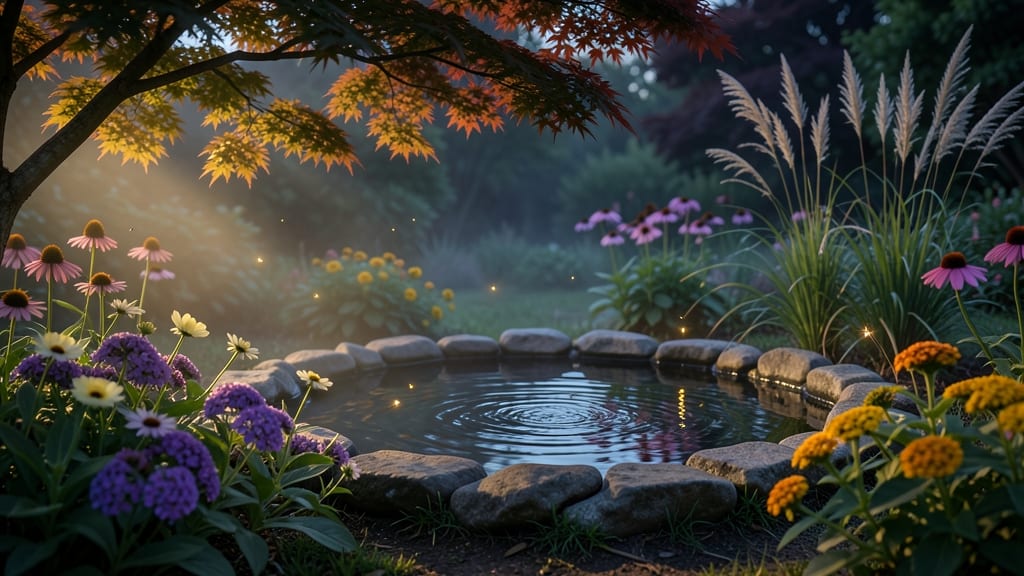
A firefly in your garden thrives when you create a damp, organic-rich environment with minimal chemical pesticides, especially near water sources or shaded spots. Adding native night-blooming plants like evening primrose or jasmine attracts them naturally, while reducing artificial lighting after dark helps them thrive.
Fireflies aren't just magical summer lights—they're nature's pest controllers and pollinators. 💫 These tiny insects feast on soft-bodied garden pests like aphids and caterpillars, reducing your need for chemical sprays. Their presence also signals healthy soil and water systems, making them excellent bioindicators.
The key to attracting them lies in mimicking their natural habitat: moist soil, dappled shade, and plants that bloom after sunset.
For maximum firefly activity, focus on native plants like milkweed or black-eyed Susans, which provide both food and shelter. Create microhabitats near water sources—pond edges or damp mulched beds work perfectly.
Seasonal timing matters too: plant early-blooming species in spring and late-bloomers in summer to provide continuous food sources throughout their active months.
💡 In This Article
- Why Fireflies Are Beneficial for Your Garden Ecosystem
- Best Firefly-Friendly Plants and Garden Design Tips
Why fireflies are beneficial for your garden ecosystem
Fireflies act as natural pest controllers by targeting soft-bodied insects like aphids, caterpillars, and slugs during their larval stage. A single firefly larva can consume up to 100 aphids in one night, making them a garden's unsung hero against common pests.
Their predatory habits reduce the need for chemical pesticides, creating a safer environment for plants and pollinators alike. 🔥
Their role extends beyond pest control—they're also pollinators for night-blooming flowers. While bees dominate daytime pollination, fireflies contribute to the reproduction of plants like evening primrose and moonflower, which rely on nocturnal visitors.
Studies show that gardens with active firefly populations have 20-30% more diverse plant species due to this additional pollination network.
Fireflies serve as bioindicators, reflecting the health of your soil and water systems. Their presence indicates clean, pesticide-free environments with adequate moisture and organic matter. Unlike some insects that thrive in disturbed ecosystems, fireflies are sensitive to pollution and habitat fragmentation, making them a reliable gauge of ecological balance. 💫
Chemical pesticides pose the greatest threat to fireflies, as they disrupt both larval and adult stages. Larvae, which live in moist soil, are particularly vulnerable to systemic insecticides that move through plant tissues.
Adults are affected by broad-spectrum pesticides that kill beneficial insects indiscriminately. The absence of fireflies often signals underlying environmental issues that may also impact your garden's overall health.
Consider this: a garden with thriving firefly populations typically has healthier soil microbial communities and better water retention. Their larvae aerate soil as they feed, improving drainage and nutrient cycling.
The symbiotic relationship between fireflies and your garden creates a self-sustaining ecosystem where natural pest control and pollination work in harmony.
For maximum benefits, focus on creating conditions that support their entire life cycle. This means providing both larval habitats (moist, organic soil) and adult food sources (night-blooming flowers). The more you support fireflies, the more they'll support your garden's long-term vitality. 🌟