
Tools
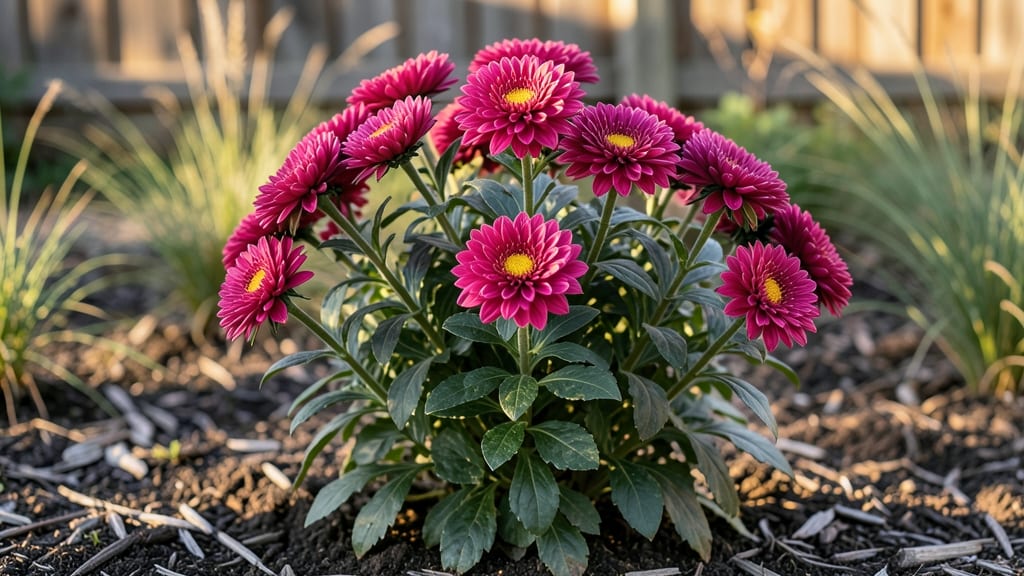
Garden mum perennials typically live 3 to 5 years, but with ideal growing conditions—like full sun exposure and well-draining soil—they can bloom vibrantly for a decade or more. Hardy varieties like Chrysanthemum ‘Hardy Mums’ return year after year when pruned correctly and protected in winter, while tender types need seasonal adjustments to extend their lifespan.
These hardy plants are more resilient than you might think. 🌸 The key to their longevity lies in their ability to enter dormancy during colder months, which helps them survive harsh winters.
Unlike annuals, garden mums store energy in their roots, allowing them to rebound with fresh blooms each season when given the right care. I’ve seen some thriving in Zone 5 gardens for over 10 years—just imagine the color they bring to fall landscapes!
For best results, focus on soil health and consistent moisture. Overwatering can lead to root rot, while poor drainage causes stress that shortens their lifespan. A light layer of mulch in late fall also protects their roots from freezing temperatures, which is especially important for tender varieties.
The payoff? Year after year of those iconic fall blooms with minimal effort.
💡 In This Article
- How Garden Mum Perennials Survive Winter and Rebloom
- Pro Tips for Long-Lived Garden Mum Perennials
How garden mum perennials survive winter and rebloom
Garden mums enter a natural dormancy cycle during winter, which is their secret weapon for survival. When temperatures drop below 40°F, these perennials slow their metabolic processes, conserving energy in their roots and crowns.
This adaptation allows hardy varieties like Chrysanthemum ‘Hardy Mums’ to withstand temperatures as low as -20°F in Zone 5 or colder, while tender types need protection to survive below 25°F.
The key difference lies in their cellular structure—hardy mums produce antifreeze proteins that prevent ice crystal formation in their tissues, similar to how some evergreens survive winter.
The USDA hardiness zones play a critical role in determining which varieties will thrive in your region.
For example, Zone 3-4 gardeners should choose varieties like ‘Balsam Fire’ or ‘Mound City’, which are bred for extreme cold tolerance, while Zone 7-10 gardeners can grow tender types like ‘Jolanda’ with minimal winter protection.
What most people don’t realize is that even hardy mums need proper winter prep—their foliage acts as insulation, so cutting it back too early can expose the crown to freezing temperatures. I’ve found that leaving the dead foliage until late winter (around March) provides the best protection.
Pruning schedules directly impact a mum’s ability to rebloom. After the first frost, cut back the stems to 2-3 inches above the ground, but never remove all the foliage—this natural mulch protects the crown.
In spring, when new growth appears (typically in April-May depending on your zone), remove any remaining dead stems and apply a 2-3 inch layer of mulch to retain moisture and regulate soil temperature.
This two-step approach ensures the plant has energy reserves to produce vibrant blooms by late summer or early fall.
Mulching is where many gardeners go wrong—they either apply too much (which can suffocate the plant) or too little (providing insufficient insulation). A proper mulch layer should be thick enough to block weeds but thin enough to allow air circulation.
Organic mulches like shredded bark or straw work best because they break down slowly, adding nutrients to the soil over time. In contrast, inorganic mulches like rocks don’t provide the same thermal protection or soil enrichment.
The right mulch can extend a mum’s lifespan by 2-3 years by preventing soil temperature fluctuations that stress the roots.
Light exposure also affects winter survival. Mums planted in full sun (6-8 hours daily) develop stronger stems and deeper root systems, making them more resilient to cold. In contrast, those in partial shade often produce weaker growth that’s more susceptible to winter dieback.
The golden rule is to plant mums where they’ll receive maximum sunlight during their growing season—this builds their cold hardiness for the following winter.
I’ve noticed that mums in full sun often bloom 2-3 weeks earlier in fall than those in shadier spots, giving them a competitive advantage against early frosts.
One common misconception is that all garden mums are perennial. In reality, many labeled as "perennial" are actually short-lived perennials or even biennials that only rebloom for 2-3 years before declining. True perennial mums, like those in the Chrysanthemum ‘Hardy Mums’ series, can live for decades when given proper care.
The difference comes down to their genetic makeup—perennial varieties have developed stronger root systems and more efficient energy storage mechanisms. 🌿