
Tools
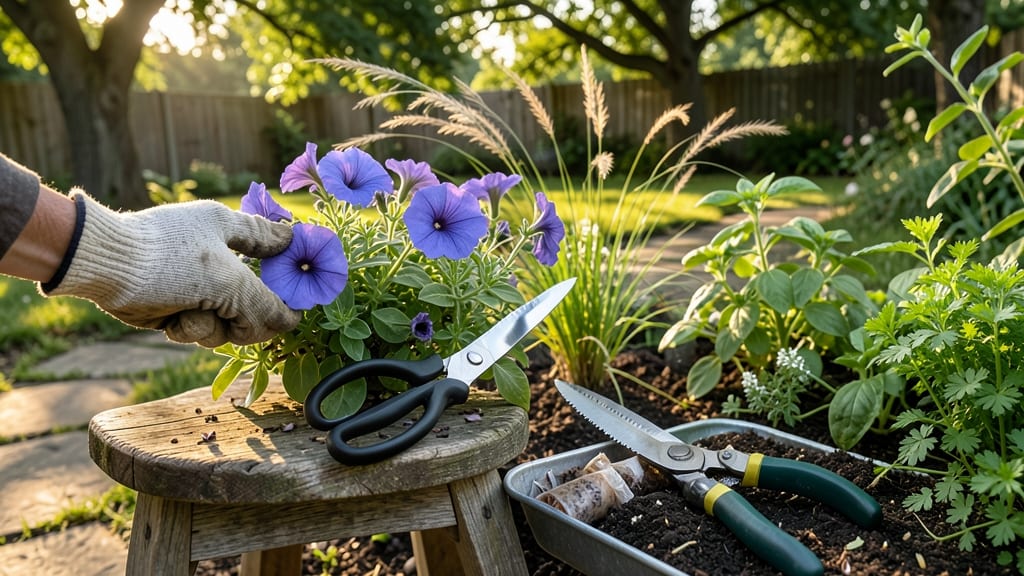
Garden scissors are most commonly called pruning shears, hedge clippers, or bypass pruners, depending on their design and intended use for trimming plants, shrubs, or flowers with precision and minimal damage.
When you're looking for the right tool names, you'll find that pruning shears are the catch-all term for any hand-held scissors designed for gardening, but the specifics matter. 🌿 Bypass pruners (with two sharp blades) are ideal for live plants, while hedge clippers (with longer blades) handle larger shrubs.
The material—like stainless steel—also affects durability and ease of use, so choosing depends on your gardening tasks.
For example, if you're working with delicate flowers, bypass pruners give you clean cuts without crushing stems. On the other hand, hedge clippers let you trim thick foliage efficiently. Understanding these differences helps you pick the right tool for the job, whether you're shaping roses or maintaining a formal hedge.
💡 In This Article
- Types of Garden Pruning Tools and Their Functions
- Choosing the Best Garden Scissors for Your Plants
Types of garden pruning tools and their functions
The world of garden scissors isn't one-size-fits-all—each type serves a unique purpose based on blade design and plant requirements. Bypass pruners feature two sharp, curved blades that slide past each other like scissors, creating clean cuts ideal for live plants like roses or perennials.
This design minimizes damage to stems, allowing plants to heal faster and reducing disease risk. 🌸 The blades typically measure 6-8 inches, making them perfect for delicate trimming where precision matters most.
In contrast, anvil pruners have one sharp blade meeting a flat edge, which crushes stems as it cuts—great for deadwood or thick branches, but not for live plants. Hedge clippers, with their longer blades (8-12 inches), excel at shaping dense shrubs like boxwoods or privets, while loppers (longer-handled pruners) handle thicker branches up to 2 inches in diameter.
Material also plays a role: Stainless steel resists rust and corrosion, while carbon steel holds a sharper edge but requires more maintenance.
Blade geometry is everything—bypass pruners cut like a hot knife through butter, leaving stems intact, while anvil pruners act like a guillotine, crushing stems flat. This difference explains why bypass pruners are the gold standard for floral work, while anvil pruners shine at removing dead growth.
The angle of the blades (typically 35-45 degrees) also affects cutting efficiency, with sharper angles providing cleaner cuts for finer stems.
Consider the plant type you're working with: Delicate flowers need bypass pruners to avoid crushing petals, while thick shrubs benefit from hedge clippers' longer reach. Even the handle design matters—ergonomic grips reduce hand fatigue during extended use, which is crucial for large gardens.
The right tool transforms a chore into effortless precision, making all the difference in your garden's health and appearance.
Pro tip: For roses or fruit trees, bypass pruners are non-negotiable—they leave stems clean and encourage new growth. Meanwhile, hedge clippers with adjustable blade settings let you create uniform edges on formal hedges.
The key is matching the tool's design to the plant's needs, not just grabbing whatever's handy. 🌿
Don't overlook material durability either—stainless steel tools last longer in humid climates, while carbon steel stays sharper with regular oiling. The right choice depends on your garden's demands and how much maintenance you're willing to invest in keeping your tools in top shape.