
Tools
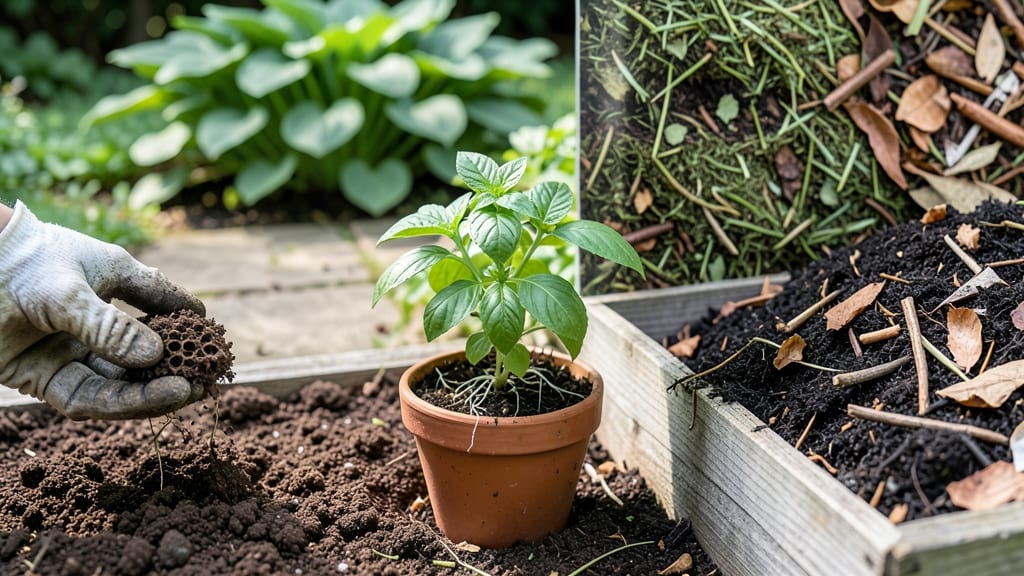
Mixing garden soil and compost in a 2:1 ratio (two parts soil to one part compost) provides plants with essential nutrients, improves drainage, and enhances root growth while maintaining soil structure. Adjust ratios based on soil type and plant needs.
When you blend garden soil with compost, you're essentially creating a powerhouse for plant growth. The 2:1 ratio strikes the perfect balance—enough compost to feed roots while keeping the soil's natural structure intact. 🌱 This mix boosts microbial activity, which breaks down organic matter into nutrients plants can absorb.
For heavy clay soils, you might increase compost to 1:1 to improve aeration, while sandy soils benefit from more soil to retain moisture. The key is observing how your plants respond and tweaking the blend accordingly.
What's fascinating is how this simple ratio affects long-term soil health. Over time, the compost enriches the soil's organic matter content, which improves water retention and reduces erosion.
I've seen firsthand how containers filled with this mix stay consistently moist while still allowing excess water to drain—critical for preventing root rot. The beauty of this approach is its adaptability; whether you're nurturing delicate seedlings or hardy perennials, you can fine-tune the mix to match their specific needs.
💡 In This Article
- Why the Right Soil-Compost Ratio Boosts Plant Health
- Customizing Soil-Compost Mixes for Different Plants
Why the right soil-compost ratio boosts plant health
The magic happens at the microscopic level where soil particles and compost interact. Compost introduces beneficial microbes—like bacteria and fungi—that break down organic matter into plant-accessible nutrients such as nitrogen, phosphorus, and potassium.
These microbes thrive in the 2:1 ratio because the garden soil provides the structure they need while compost supplies the food. Without enough soil, the mix becomes too dense, suffocating roots and reducing oxygen flow. 🌱
This ratio also creates ideal porosity for water and air movement. Pure compost can compact over time, forming a dense mat that repels water and limits root expansion. When mixed with soil, the structure remains loose enough to allow 10-30% air space between particles—critical for aerobic microbial activity.
Think of it like a sponge: soil provides the framework while compost adds the moisture-retaining capacity, creating a balance where water drains efficiently but doesn't wash away nutrients.
What most gardeners overlook is how this ratio affects nutrient release timing. Fresh compost initially releases a burst of nitrogen as it decomposes, which can burn young plants if overused.
The 2:1 ratio dilutes this effect while providing a steady supply of nutrients over months as the compost continues breaking down. This gradual release is particularly valuable for long-season crops like tomatoes or perennials that need sustained feeding.
Seasonal changes also impact this balance. In spring, when microbial activity ramps up with warmer temperatures, you might need slightly more soil (3:1 ratio) to prevent overheating.
Conversely, in fall, a 1:1 ratio can help insulate plant roots against winter cold while still providing organic matter for spring growth. The ratio acts like a thermostat for your soil's biological activity.
Consider how different plants respond to this balance. Leafy greens like lettuce benefit from the 2:1 ratio because they need consistent moisture and nutrient availability, while root crops like carrots prefer slightly more soil (3:1 ratio) to prevent forking.
The key is observing leaf color—dark green indicates healthy growth, while yellowing suggests nitrogen deficiency or poor drainage.
For those with heavy clay soils, increasing compost to 1:1 or even 1:2 can transform compacted earth into crumbly, workable soil within a season. The organic matter binds clay particles, creating larger aggregates that improve drainage without losing moisture.
This structural transformation is why compost is often called the "soil's glue." 💫