
Light Requirements
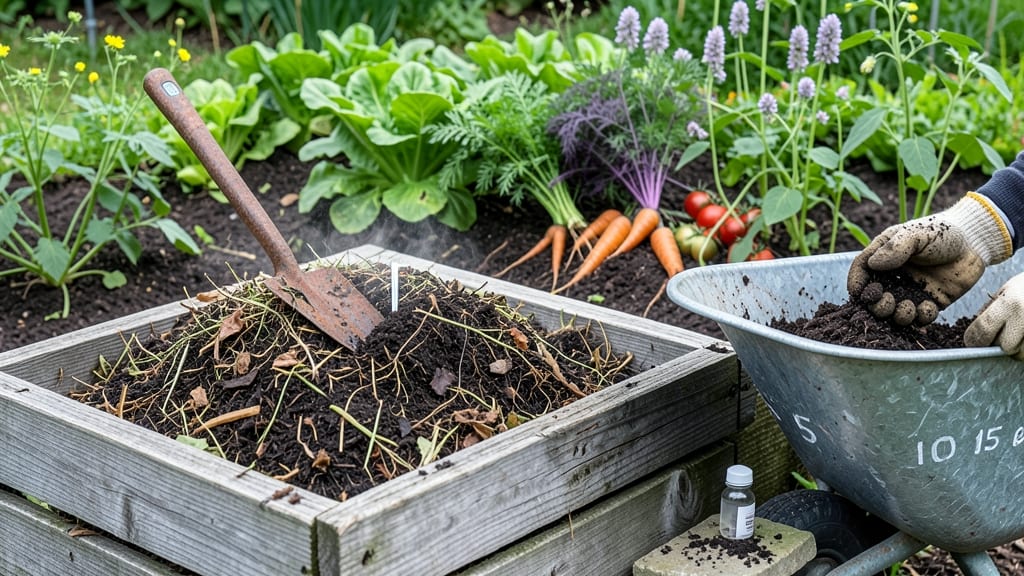
To determine how much compost you need for your garden, calculate 1-3 inches of compost mixed into the top 6-12 inches of soil per square foot, depending on soil quality and plant type. For a 10x10-foot raised bed, you’ll typically need 2-4 cubic feet of compost per inch of depth applied.
Compost needs vary based on your garden's specific conditions. 🌱 For example, clay-heavy soil benefits from a thicker layer (closer to 3 inches) to improve drainage, while sandy soil may only need 1 inch to retain moisture.
The type of plants matters too—vegetables like tomatoes thrive with richer compost blends, while perennials often need less frequent amendments. I recommend starting with a 2-inch layer for most gardens and adjusting based on your plants' growth and soil tests.
Another key factor is whether you're working with in-ground plots or raised beds. Raised beds dry out faster, so you'll want to incorporate compost more frequently—about every planting season—to maintain fertility.
For in-ground gardens, a single application in early spring often suffices, especially if you've built up organic matter over time. Always mix compost into the top 6-12 inches of soil to avoid surface compaction.
💡 In This Article
- Factors Affecting Compost Quantity for Garden Soil
- Step-by-Step Compost Calculation for Garden Beds
Factors affecting compost quantity for garden soil
Soil texture plays a massive role in determining how much compost your garden needs. Clay-heavy soil, for example, has tightly packed particles that restrict water and air flow—this is why it often requires 2-3 inches of compost to break up compaction and improve drainage.
Sandy soil, on the other hand, drains too quickly and lacks nutrients, so it typically needs only 1 inch of compost to retain moisture and provide organic matter. Think of compost as the glue that binds these extremes together, creating an ideal growing medium.
The type of plants you're growing directly impacts compost requirements. Heavy feeders like tomatoes, peppers, and squash demand nutrient-rich soil, so they benefit from 2-3 inches of compost mixed into the top 8-12 inches of soil. These plants deplete nutrients rapidly and need consistent organic matter to support vigorous growth.
Perennials and grasses, however, have deeper root systems and can access nutrients from lower soil layers, often requiring only 1 inch of compost every 2-3 years. The key is matching compost quantity to your plants' hunger levels.
Seasonal timing also affects how much compost you should apply. In spring, when you're preparing beds for planting, aim for a 2-inch layer to jumpstart microbial activity and provide immediate nutrients.
Fall amendments, however, should be lighter—around 1 inch—since compost will continue breaking down over winter, releasing nutrients gradually when your plants need them most in spring. This timing prevents nutrient runoff and ensures efficient use of organic matter.
Don't overlook the role of existing organic matter in your soil. If you've been composting regularly for years, your soil may already have a healthy reservoir of decomposed material. In this case, you might only need a 1-inch top dressing to maintain fertility.
Conduct a simple soil test to check organic matter levels—ideal garden soil contains about 5-10% organic matter. This percentage gives you a baseline for how much additional compost your garden truly needs.
Consider the physical effort required when determining compost quantity. Mixing 3 inches of compost into a 100-square-foot garden by hand is labor-intensive, while 1 inch is much more manageable. For larger gardens, a 2-inch layer offers a good balance between nutrient benefits and practical application.
Tools like broadforks or rototillers can help distribute compost more efficiently, especially in larger plots.
One often-overlooked factor is the compost's quality itself. Fresh, well-aged compost with a dark, crumbly texture and earthy aroma will provide more immediate benefits than immature compost that's still breaking down. High-quality compost contains 3-5% nitrogen, which supports microbial activity and plant growth.
If your compost is still chunky or smells strongly of ammonia, it needs more time to decompose before application.