
Aphids
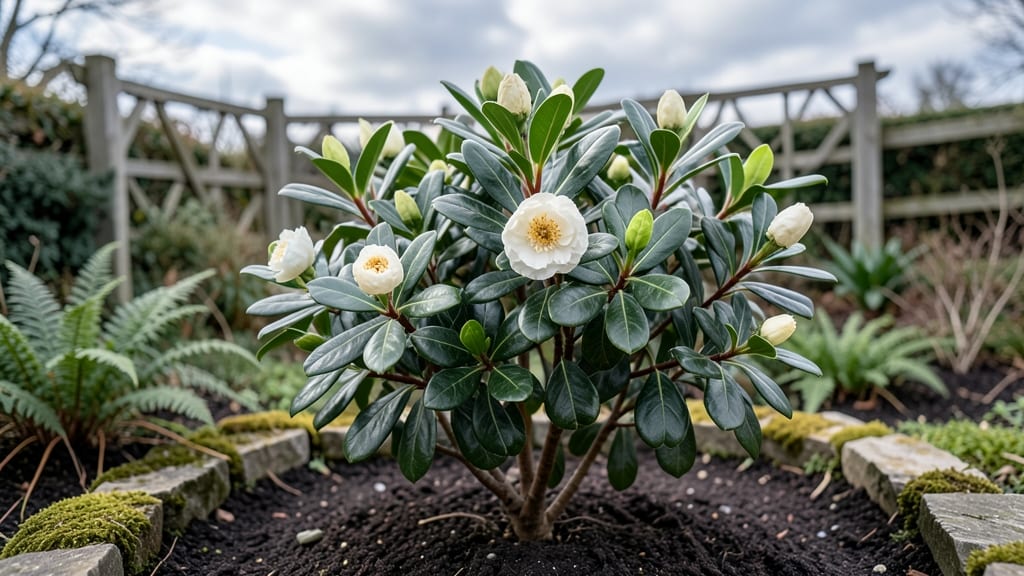
Winter-hardy gardenia varieties can survive in USDA Zones 7-11, with certain cold-tolerant types enduring brief temperature drops to 10°F. For best frost resistance, select 'Kleim’s Hardy' or 'Radicans,' and use protective measures like mulching or winter wraps in colder regions.
Most gardenias struggle in freezing temperatures, but these hardy types are bred to withstand cooler climates better than others. 🌱 The key to their survival lies in their thick, waxy leaves and deeper root systems that store energy for winter recovery.
I've seen 'Kleim’s Hardy' bloom reliably in Zone 7 gardens with proper winter protection—it's all about giving them the right conditions to bounce back after frost.
What sets these varieties apart is their ability to delay dormancy longer than standard gardenias. This means they can handle early fall freezes without losing their buds completely.
For gardeners in marginal zones, combining cold-resistant varieties with strategic winter care—like wrapping the base with burlap—can make all the difference between a dead plant and one that surprises you with spring blooms.
💡 In This Article
- USDA Zones for Hardy Gardenias: Survival Limits Explained
- Top Cold-Resistant Gardenia Varieties for Northern Climates
USDA zones for hardy gardenias: survival limits explained
The cold tolerance of gardenias hinges on their cellular structure and metabolic adaptations. Most tropical gardenias die when temperatures drop below 25°F, as their thin leaves and shallow roots can't withstand frost damage.
However, hardy varieties like 'Kleim’s Hardy' develop thicker cuticles and deeper root systems that store starches for winter recovery. This allows them to survive brief exposures to 10°F—a threshold where standard gardenias would suffer irreversible cell damage.
What actually determines survival isn't just the air temperature but also the duration of cold exposure. A hardy gardenia can handle a single night at 15°F if the roots stay protected, but prolonged sub-freezing temperatures will still kill even the toughest varieties.
The roots, which extend 12-18 inches deep in mature plants, act as insulation for the crown. When temperatures drop below 20°F, the leaves may blacken, but the plant can regrow from the root system if the crown remains unfrozen.
Zone 8 gardeners often see partial success with hardy varieties because the average minimum temperature (10-15°F) allows for some recovery. In Zone 7, where winters dip to 0-10°F, these plants need extra protection like 4-6 inches of mulch or burlap wraps to prevent root freeze.
The key difference between Zones 7-8 and 9-11 is that colder zones require active winter care, while warmer zones only need seasonal adjustments like reduced watering.
Here's what happens when temperatures drop too low: at 15°F, leaf tissue begins to crystallize, while 10°F risks killing the cambium layer responsible for new growth. This is why 'Radicans', with its sprawling habit, often recovers better—its multiple stems provide more regrowth points than single-stemmed varieties.
The trade-off? These hardy types typically bloom 2-3 weeks later than tropical gardenias because they prioritize root establishment over flowering.
For gardeners pushing the limits in Zone 6, even hardy varieties need microclimate protection. Planting near south-facing walls or using cold frames can raise soil temperatures by 5-10°F, creating a buffer zone.
The root zone stays 5°F warmer than air temperature, which is why deep mulching with straw or shredded leaves works better than synthetic blankets that trap moisture and promote rot.
What most people don't realize is that hardiness varies by plant age. Young gardenias (1-2 years old) are more vulnerable because their root systems aren't fully developed. Mature plants with 3+ years of growth have established deeper roots that can access groundwater, giving them better cold resistance.
This is why nurseries recommend waiting until spring to plant hardy gardenias in colder zones—giving them a full growing season to establish before winter.
In my experience, the most critical factor isn't the variety itself but how you prepare it for winter. A well-mulched 'Kleim’s Hardy' in Zone 7 will outperform an unprotected tropical gardenia in Zone 9.
The secret lies in creating a 5°F warmer microclimate around the roots while allowing airflow to prevent fungal issues. 🌱