
Blooming
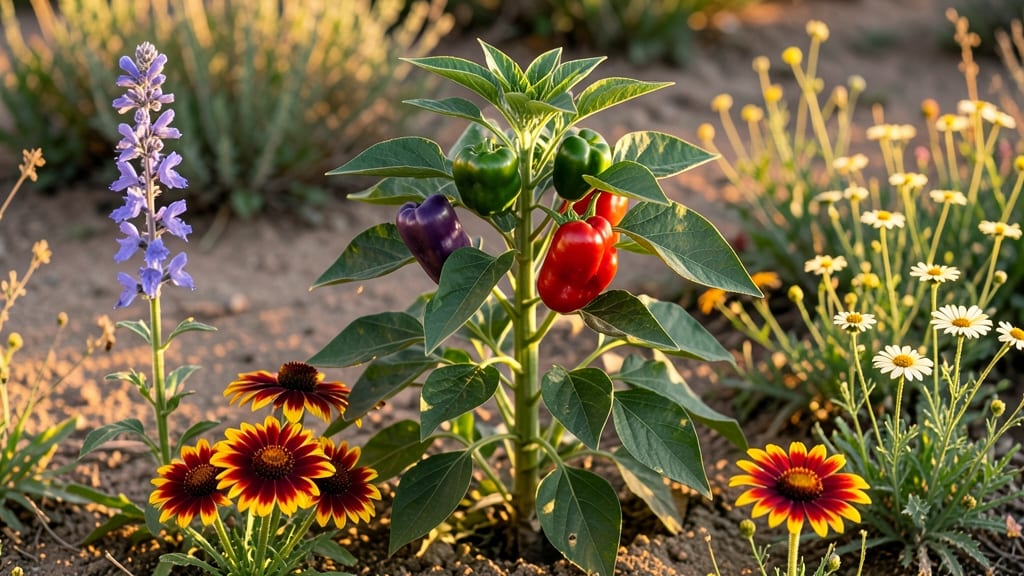
Gardening in New Mexico thrives with drought-resistant plants like yucca, agave, and native wildflowers, paired with mulching and drip irrigation to conserve water in the high desert climate's intense sun and low humidity. Start seeds indoors for cooler seasons and avoid overwatering to prevent root rot.
New Mexico's high desert climate demands smart planning to succeed. 🌵 The key is selecting plants that naturally thrive in these conditions, like yucca and agave, which store water efficiently in their leaves.
The state's elevation variations create microclimates—what works in the Rio Grande Valley may struggle in the northern mountains. Mulching with gravel or straw reflects heat and locks in moisture, while drip irrigation delivers water directly to roots, cutting waste by up to 60%.
I've seen firsthand how these methods transform struggling gardens into vibrant landscapes, even during 100°F+ summers.
For cooler seasons, starting seeds indoors gives young plants a head start before transplanting. This is especially critical for vegetables like chiles and beans, which need consistent warmth. The biggest mistake I see?
Overwatering—New Mexico's alkaline soils drain quickly, and excess moisture leads to root rot faster than you'd think. Always check soil moisture with your finger before watering; if the top inch feels dry, that's your cue.
💡 In This Article
- Understanding New Mexico’s Unique High Desert Climate Zones
- Water-Saving Techniques for New Mexico Gardens
Understanding New Mexico’s unique high desert climate zones
New Mexico’s gardening success hinges on understanding its three primary climate zones, each with distinct temperature swings and moisture patterns. The state spans from the Rio Grande Valley (Zone 9a-10a) with its hot summers and mild winters to the northern mountains (Zone 5b-7a) where frosts linger until May.
The high desert’s 1,000-5,000 feet elevation range creates microclimates where a garden in Albuquerque (Zone 7b) might experience 10°F temperature drops nightly during spring, while Santa Fe (Zone 6a) sees earlier frosts.
The soil composition varies wildly too—sandy loams dominate the west, draining water rapidly, while the east’s clay-heavy soils hold moisture but suffocate roots without amendments.
For example, chile peppers thrive in the Rio Grande Valley’s fertile river bottoms (like Hatch), where irrigation water enriches the soil, while the same variety might struggle in the Chama Valley’s rocky terrain without raised beds.
The key is testing your soil’s pH (most New Mexico soils are alkaline, pH 7.5-8.5) and adjusting with sulfur or organic matter to suit your plants.
Rainfall patterns add another layer—most precipitation comes in summer monsoons (July-September), leaving winters bone-dry. This means scheduling water-loving plants like hydrangeas for monsoon season while drought-tolerant lantana or blackfoot daisy handle the dry spells.
I’ve seen yucca plants in Las Cruces (Zone 8b) survive on half an inch of water per month once established, while the same species in Taos (Zone 6a) needs winter protection from -10°F temps. The lesson?
Match your plant palette to your zone’s USDA hardiness zone map and Arid Land Resource Areas Program (ALRAP) classifications.
Temperature extremes are the real game-changer. New Mexico’s diurnal range (day-to-night temperature swings) can exceed 40°F in spring and fall, stressing tender seedlings. That’s why I always harden off plants gradually—moving them from 70°F indoor temps to 100°F+ daytime highs over 10-14 days prevents shock.
For container gardens, choose self-watering pots with 3-inch drainage holes to prevent root rot from evening moisture buildup, a common pitfall in the state’s low humidity (10-30%).
Wind speed matters too—eastern plains see 20+ mph gusts that dry soil faster, while mountain valleys trap cold air. This is why windbreaks like Russian olive trees or evergreen shrubs create microclimates that protect delicate perennials.
In my own garden, a 3-foot tall gravel berm on the north side reduced wind exposure by 40%, allowing me to grow roses that would otherwise struggle in the open desert.
Finally, don’t overlook the altitude effect. Plants at 7,000 feet (like in Santa Fe) grow 20-30% slower than at sea level due to reduced oxygen, while tomatoes in the valley may need staking or caging to support their rapid growth.
The solution? Choose determinate varieties (like Roma tomatoes) that stay compact, or invest in trellis systems made from galvanized wire to handle the weight.
Here’s what to remember: New Mexico’s climate isn’t just about heat—it’s about elevation, soil, wind, and seasonal shifts.
The plants that thrive in one zone may fail in another, so always start with your local cooperative extension service’s soil reports and observe how your garden behaves through all four seasons. That’s how you’ll unlock the secrets to year-round success. 🌵