
Tools
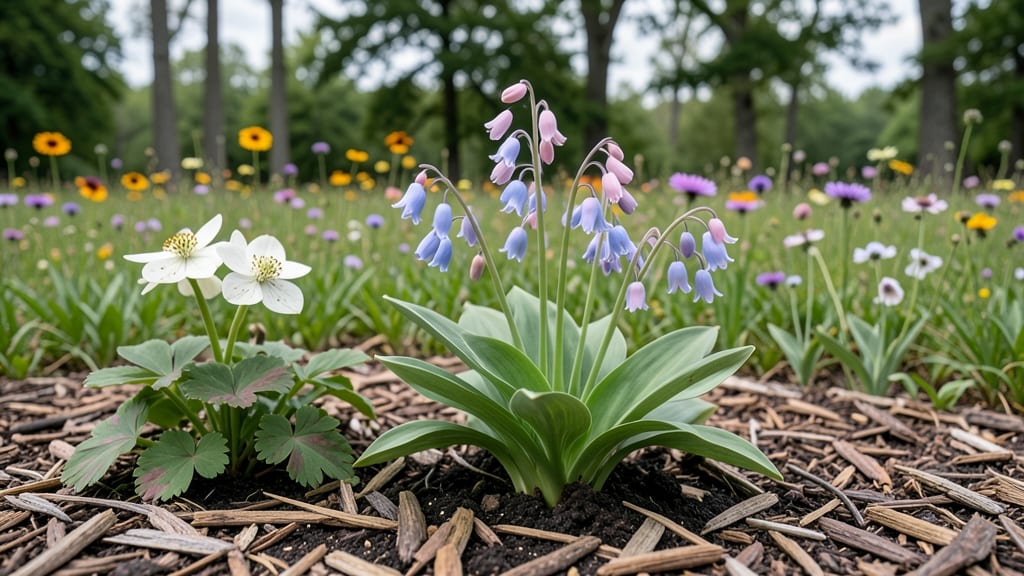
Gardening in Virginia means working with its diverse USDA Plant Hardiness Zones 3-8, where Piedmont humidity and coastal salt tolerance create unique growing challenges. Plant warm-season crops only after last frost (mid-April to late May) and choose drought-resistant varieties for Zone 7's intense summers. Clay-heavy soils in the Blue Ridge require careful mulching and irrigation planning.
Virginia's gardening success hinges on understanding its microclimates—like the Shenandoah Valley's cooler nights or Tidewater's salt spray exposure. 🌱 The state's Zone 7 dominates, but elevation shifts frost dates dramatically: mountain areas may see first frosts in October, while coastal regions stay frost-free until December.
I always recommend checking the USDA Interactive Plant Hardiness Zone Map for your exact location, as even small shifts can affect plant survival rates.
For soil prep, focus on amending clay-heavy areas with compost to improve drainage, especially before planting drought-tolerant perennials like Virginia sweetspire. Coastal gardeners should prioritize salt-resistant plants like sea oats, while Piedmont gardeners benefit from mulching to retain moisture during summer heat waves.
The key is matching plants to your specific conditions—what thrives in one region may struggle just 50 miles away.
💡 In This Article
- Virginia’s 2024 Plant Hardiness Zones Explained
- Best Plants for Virginia’s Unique Soil and Climate
Virginia’s 2024 plant hardiness zones explained
Virginia’s gardening landscape is shaped by its USDA Plant Hardiness Zones 3-8, where elevation and latitude create dramatic microclimates. The Shenandoah Valley (Zone 6b-7a) enjoys cooler nights due to its 1,000-2,000 feet elevation, while Tidewater (Zone 8a) stays frost-free until December.
These zones determine when to plant: warm-season crops like tomatoes and peppers need to wait until after the last spring frost, which typically occurs between mid-April in the mountains and late May near the coast. 🌿
The Blue Ridge Mountains push Virginia into Zone 6, where frost can linger into May, while the Coastal Plain extends into Zone 8, offering a 140-day growing season—nearly double that of higher elevations.
This variation means a tomato planted in Richmond (Zone 7b) might thrive, while the same variety could struggle in Roanoke (Zone 6b) without protection.
The USDA’s interactive map lets you pinpoint your exact zone down to 5-mile precision, which is crucial for selecting cold-hardy perennials like Virginia sweetspire in Zone 6 or heat-loving shrimp plants in Zone 8.
Frost dates are the gardener’s clock, and Virginia’s range is extreme. In Blacksburg (Zone 6a), the average last frost is April 15, while Norfolk (Zone 8a) sees its first frost on November 15.
This 7-month difference explains why coastal gardeners can grow citrus trees outdoors, while mountain gardeners must protect tender plants with row covers or greenhouses. The key is aligning your planting schedule with these regional norms—miss the window, and you risk stunted growth or frost damage.
Microclimates add another layer. A south-facing slope in the Piedmont can be 5°F warmer than a north-facing yard, extending the growing season by 2-3 weeks. Coastal areas also face salt spray from Atlantic storms, which requires choosing salt-tolerant grasses like sea oats (Zone 7-10).
Even within a single zone, soil type matters: the clay-heavy Piedmont drains poorly, while the sandy Coastal Plain dries out quickly. Adjusting mulch depth (3-4 inches for clay, 2 inches for sand) can make the difference between thriving and struggling plants.
For those in Zone 7’s heat waves (common in Richmond and Charlottesville), drought-resistant plants like Russian sage or butterfly weed thrive with minimal irrigation. Meanwhile, mountain gardeners in Zone 6 can grow hardy kiwi or apple trees that would perish in coastal heat.
The takeaway? Virginia’s diversity rewards gardeners who customize their approach—whether by elevation, soil, or exposure. 🌡️
Pro tip: Use the Virginia Cooperative Extension’s frost date calculator for hyper-local insights. It accounts for 10-year averages and can adjust for your specific microclimate, helping you plan with confidence. Whether you’re battling Piedmont humidity or coastal salt, understanding these zones is your first step to a thriving garden.