
Tools
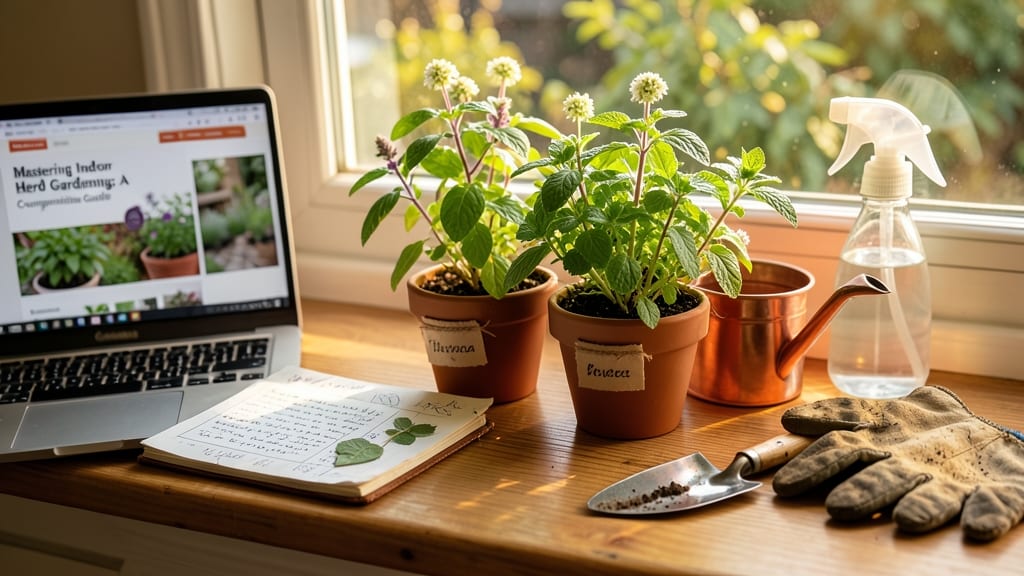
Finding the best online gardening schools means looking for accredited programs that combine practical training with flexible learning options. Focus on schools offering hands-on experience, affordable tuition, and specialized courses in areas like organic farming or urban gardening, while ensuring they provide certification and strong student support.
Online gardening education has exploded in popularity, offering flexibility for busy learners while maintaining rigorous standards. 🌱 The key is balancing accreditation—which ensures your certification holds weight with employers—with practical components like virtual labs or mentorship programs.
Many top programs now include fieldwork partnerships where you can apply what you learn in real-world settings, even from home. I always recommend checking whether a school partners with local nurseries or agricultural extensions, as these connections can lead to job opportunities or even internships after graduation.
Specializations make all the difference when it comes to career outcomes. For example, a hydroponics certification opens doors in urban farming, while a landscape design track prepares you for residential or commercial projects.
The best programs let you sample courses before committing, so you can test whether their teaching style matches your learning preferences. Don't overlook hidden costs like required textbooks or equipment—some schools bundle these into tuition, while others charge extra fees that can add up quickly.
💡 In This Article
- Key Accreditation and Certification Standards for Online Horticulture Programs
- Comparing Online Gardening School Costs and Specialization Options
Key accreditation and certification standards for online horticulture programs
Accreditation serves as the gold standard for online gardening programs, ensuring your education meets industry benchmarks and employers recognize your credentials. When evaluating schools, prioritize those accredited by organizations like the Accrediting Council for Continuing Education & Training (ACCET) or the Council on Occupational Education (COE).
These accreditations verify curriculum quality, faculty expertise, and student support systems. For example, a program accredited by ACCET must demonstrate it meets rigorous standards for instructional design and outcomes assessment—critical factors when you're investing thousands in your education.
Regional accreditation (like from the Middle States Commission on Higher Education) carries more weight for transferable credits or advanced degrees, but many online gardening programs focus on program-specific certifications instead.
Look for specialized accreditations from bodies like the American Horticultural Society (AHS) or the National Association of Landscape Professionals (NALP). These certifications often align with specific career paths—like Certified Professional Horticulturist (CPH) for technical roles or Certified Landscape Designer (CLD) for design-focused careers.
The key difference is that regional accreditation opens doors to broader academic opportunities, while program-specific certifications provide immediate industry credibility.
Verifying a school's legitimacy goes beyond accreditation status. Check whether the program partners with state agricultural boards or professional organizations, as these affiliations often lead to job placements or continuing education opportunities.
For instance, schools accredited by the Association of Science-Technology Centers (ASTC) frequently collaborate with local botanical gardens for hands-on training. Always cross-reference the school's website with official accreditation databases—like the U.S. Department of Education's database—to confirm their standing.
This step prevents costly mistakes, as unaccredited programs may offer diplomas that don't translate to real-world opportunities.
Certification programs often include practical exams or portfolio requirements that test your ability to apply knowledge in real-world scenarios. For example, the Organic Materials Review Institute (OMRI) certification requires hands-on experience with organic growing methods, while the Certified Arborist exam tests tree care knowledge through case studies.
These certifications aren't just pieces of paper—they demonstrate to employers that you've mastered both theory and application. The best online programs integrate these exams into their curriculum, often offering mock tests or study groups to help you prepare.
Don't overlook the importance of faculty credentials when evaluating programs. Top online gardening schools employ instructors with master's or doctoral degrees in horticulture, agriculture, or related fields, and many maintain active research or consulting practices.
For example, faculty at Penn State's World Campus often publish in peer-reviewed journals while teaching online courses. This dual role ensures you're learning from practitioners who understand both academic theory and industry trends.
When researching programs, look for faculty bios that mention professional affiliations or recent publications—these details signal a program's commitment to staying current.
Finally, consider how a program's certification aligns with your career goals. A Master Gardener certification (offered through cooperative extensions) focuses on community education, while a Certified Professional in Landscape Construction (CPLC) prepares you for technical roles in installation and maintenance.
The best programs let you specialize within broader certifications, allowing you to tailor your education to niche markets like vertical farming or native plant landscaping. This flexibility ensures your certification remains relevant as the gardening industry evolves.