
Advice
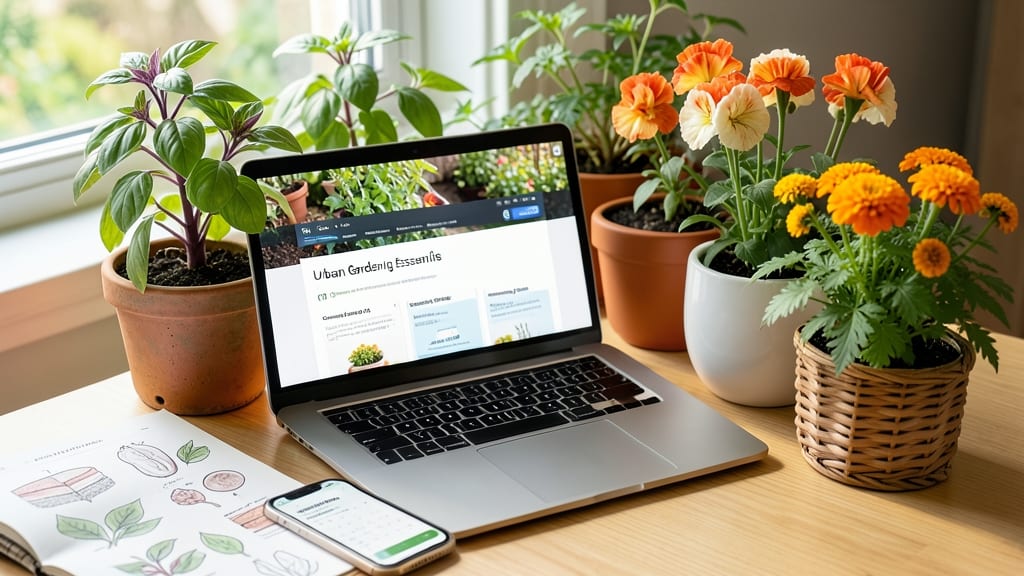
Online master gardener programs offer accredited horticulture education through flexible coursework covering plant science, pest control, and eco-friendly gardening techniques, with certification available through state Extension offices. Leading options from Cornell, University of Florida, and Penn State typically cost between $300 and $1,200.
These programs are perfect for busy gardeners who need structured learning without leaving home. 🌱 The curriculum mirrors in-person Extension courses, including hands-on assignments like soil testing and plant identification—just adapted for virtual submission.
What sets them apart is the ability to complete coursework at your own pace while still meeting state certification standards. Many graduates use their credentials to volunteer with local gardening initiatives or launch professional landscaping businesses.
One standout feature is the inclusion of regional gardening challenges, where students apply lessons to their specific climate zones. For example, a Florida program might emphasize hurricane-resistant plants, while a Pacific Northwest course would focus on moisture management.
The flexibility extends to payment plans, making high-quality horticulture education accessible to hobbyists and professionals alike.
💡 In This Article
- How Online Master Gardener Certifications Compare to Traditional Programs
- Top Online Master Gardener Programs: Costs, Duration, and Specializations
How online master gardener certifications compare to traditional programs
Online master gardener programs maintain the same academic rigor as in-person courses by aligning with state Extension service standards. For instance, Cornell University's program requires 140 hours of coursework—identical to their traditional format—covering plant pathology, soil science, and sustainable landscaping.
The key difference lies in delivery: virtual labs replace physical greenhouses, using video demonstrations of plant dissections and digital soil analysis tools that simulate real-world conditions. 🌱
Fieldwork requirements are adapted through creative alternatives. Instead of in-person plant identification, students submit high-resolution photos of local flora for expert review. Soil testing assignments use mail-in kits provided by Extension offices, ensuring hands-on experience without physical attendance.
These adaptations maintain certification standards while accommodating diverse learning environments, from urban apartments to rural homesteads.
State-specific regulations play a crucial role in program design. Florida's program, for example, includes 20 hours of hurricane-resistant plant education, while California's curriculum emphasizes drought-tolerant landscaping. Online platforms deliver these regional specializations through interactive maps and climate zone tools, helping students apply lessons to their exact growing conditions.
This localized approach ensures graduates receive relevant, actionable knowledge for their specific environments.
Accreditation remains non-negotiable. All online programs undergo the same third-party evaluation as traditional courses, with certification only granted after passing a comprehensive exam and completing required volunteer hours.
The volunteer component—typically 50 hours—can be fulfilled through virtual mentoring or organizing community garden projects, demonstrating how online programs maintain the practical, service-oriented ethos of master gardener training.
One advantage of online programs is their ability to integrate emerging technologies. Cornell's platform, for example, incorporates AI-powered plant disease diagnosis tools that analyze user-submitted images in real time.
This digital integration not only enhances learning but also prepares graduates for modern horticultural challenges like climate change adaptation and smart gardening systems. The result is a certification that's both traditional in its foundation and innovative in its application.
For those concerned about missing the hands-on experience, many programs offer optional in-person workshops. The University of Florida's program, for instance, hosts annual "Plant ID Days" where students can bring samples for expert evaluation.
These hybrid approaches bridge the gap between virtual learning and traditional gardening practices, ensuring students gain both theoretical knowledge and practical skills. 🌿