
Tools
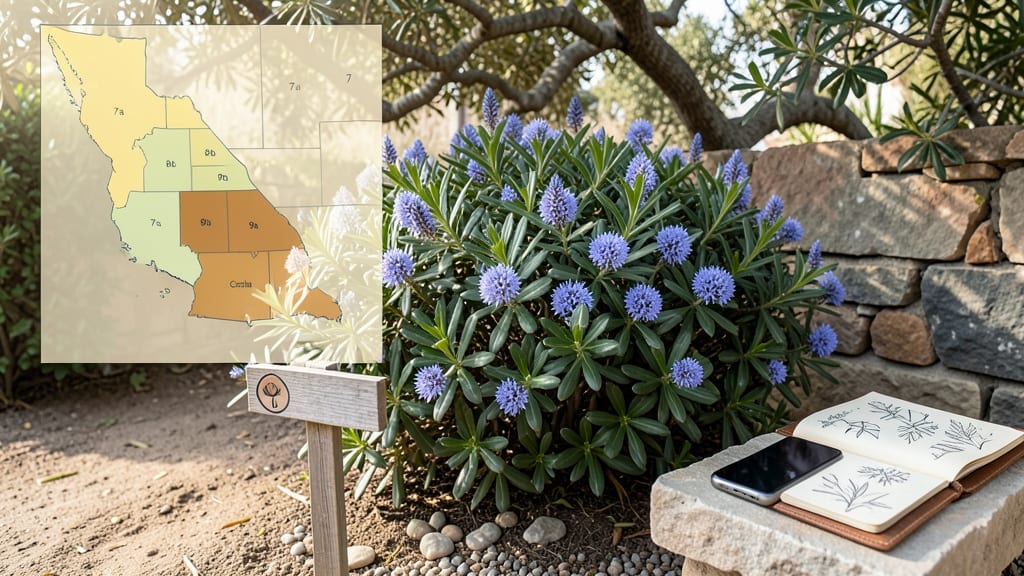
California gardening zones by zip code reveal your exact frost dates and planting windows, spanning from Zone 5 in mountain regions to Zone 12 along the coast. Enter your zip code to uncover precise timing for annuals, perennials, and seasonal vegetables tailored to your microclimate.
California's diverse geography creates dramatic variations in planting zones—even within the same county. Coastal areas like San Francisco may never experience frost, while inland valleys like the Central Valley can drop below 28°F in winter. Elevation changes of just 1,000 feet can shift you from Zone 10 to Zone 7, meaning frost dates differ by weeks.
For example, a 90210 zip code might have a last frost date in March, while nearby 90001 could still see frost in May.
To pinpoint your exact zone, I recommend using the USDA Plant Hardiness Zone Map combined with California-specific resources like the Sunset Magazine Climate Zones.
These tools account for local weather patterns better than generic maps. Warm-season crops like tomatoes thrive when soil reaches 60°F, while cool-season crops prefer 50°F or lower—knowing your zone helps you time plantings perfectly. 🌱
💡 In This Article
- How California’s Microclimates Affect Planting Zones
- Finding Your Exact Planting Deadlines by Zip Code
How California’s microclimates affect planting zones
California’s geography creates dramatic planting zone variations because of its extreme elevation shifts and proximity to the Pacific Ocean. Coastal areas like Malibu (Zone 10) rarely see frost, while inland valleys like the Central Valley (Zone 7-9) experience 28°F lows that kill tender plants.
The Sierra Nevada mountains reach Zone 5 at 5,000 feet elevation, where frost can occur year-round. This happens because cold air sinks into valleys at night, creating "frost pockets" even when nearby hills stay warm.
The USDA Plant Hardiness Zone Map provides a baseline, but California gardeners rely more on Sunset Magazine’s climate zones because they account for local weather patterns better.
For instance, a 94114 zip code in San Francisco might never frost, while just 30 miles inland in 94040, frost dates shift by 4-6 weeks. Coastal fog also plays a role—it keeps temperatures stable but reduces sunlight, affecting plant growth cycles differently than inland areas. 🌊
Microclimates within the same zip code can create confusion. A south-facing slope might warm up 10°F faster than a north-facing yard, allowing earlier planting. Urban heat islands in cities like Los Angeles can push zones up by 1-2 levels compared to rural areas.
This is why gardeners in 90007 might plant tomatoes 2 weeks earlier than neighbors just 5 miles away in a cooler microclimate.
Elevation is the biggest factor—every 1,000 feet up shifts you to a colder zone. The desert regions near Palm Springs (Zone 10-11) have 300+ sunny days/year, while coastal areas get 200 days.
This affects which plants thrive: succulents and citrus do well in desert zones, while ferns and rhododendrons prefer cooler coastal climates. Understanding these variations helps you avoid planting heat-sensitive crops too early in inland areas.
Wind patterns also matter. Coastal winds keep temperatures moderate, while inland areas experience more temperature swings. For example, a 93101 zip code in Bakersfield might see 90°F days and 40°F nights in spring, requiring careful crop selection.
Meanwhile, 9027060-80°F year-round. These microclimates explain why some zip codes have 300+ frost-free days while others get 100 days or fewer.
To navigate this complexity, I recommend overlaying your zip code’s USDA zone with Sunset’s climate zone. For example, 9567094901 in Berkeley (Zone 9) could match Sunset’s Zone 15. This dual approach gives you the most accurate planting timeline for your specific microclimate. 🌡️