
Flowers
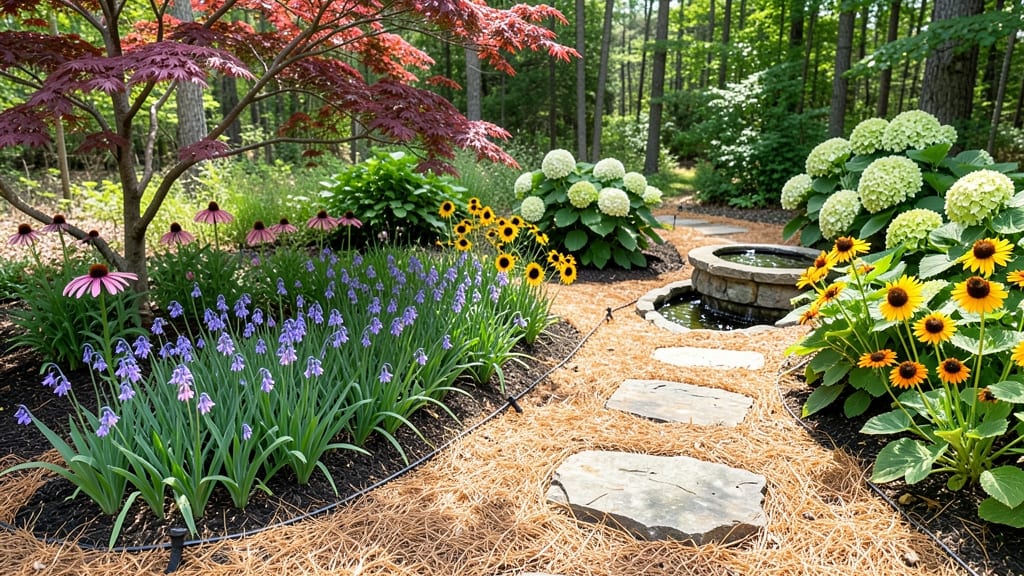
Planning gardens in Ball Ground, Georgia requires leveraging its USDA Zone 7b climate, with optimal planting months spanning March–May for cool-season crops and June–July for warm-season varieties, while accounting for microclimates like shaded wooded areas or sun-exposed slopes.
Ball Ground's elevation between 1,000–2,000 feet creates unique growing conditions that differ from lower Atlanta areas. 🌿 The town's proximity to Lake Lanier also influences humidity and temperature swings, while urban sprawl creates heat islands that can push planting zones slightly earlier in some neighborhoods.
I've found that north-facing slopes often experience frost later in spring, while south-facing areas can get 10°F warmer during summer afternoons—both critical factors when selecting plant varieties.
For cool-season planting, start seeds indoors in February for early March transplants, while warm-season crops like tomatoes and peppers thrive when soil temps hit 65°F+—typically mid-May. The area's transitional climate also means some plants, like okra and sweet potatoes, can handle late summer heat better than others.
My best advice? Test your soil pH (aim for 6.0–6.8) and group plants with similar water needs together to maximize efficiency.
💡 In This Article
- Understanding Ball Ground’s Microclimate Zones for Garden Success
- Best Planting Months and Seasonal Garden Calendar for Ball Ground
Understanding Ball Ground’s microclimate zones for garden success
Ball Ground’s elevation range of 1,000–2,000 feet creates dramatic temperature variations compared to Atlanta’s lower elevations. At higher elevations, nights can be 5–10°F cooler than nearby lowlands, creating frost pockets where tender plants like tomatoes may need row covers.
The lake effect from nearby Lake Lanier adds another layer—moisture from the lake can increase humidity by 10–15%, benefiting plants that thrive in slightly damp conditions like hostas and impatiens, while also encouraging fungal diseases in poorly ventilated areas.
The urban-rural gradient creates distinct heat islands. In downtown Ball Ground, pavement and buildings can raise temperatures by 2–4°F compared to rural areas, allowing early planting of heat-loving crops like okra or sweet potatoes. Meanwhile, wooded areas maintain cooler, more stable temperatures—ideal for shade-tolerant perennials like ferns or astilbes.
Wind patterns also shift with elevation: north-facing slopes often experience stronger afternoon breezes, while south-facing areas develop still, warmer microclimates perfect for sun-worshippers like peppers and eggplants.
Soil drainage becomes critical due to these variations. The clay-heavy soils common in Ball Ground can become waterlogged after heavy rains, while sandy pockets near construction sites drain too quickly.
I’ve seen gardens where the same row produced thriving lettuce on one side and struggling tomatoes on the other—simply because one section stayed damp while the other dried out. A simple soil test (costing around $20) reveals these differences, letting you adjust with raised beds or organic matter amendments.
One unexpected factor is how these microclimates affect pollinators. The warmer urban zones attract more bees earlier in spring, while cooler rural areas may see later blooming of native wildflowers. This timing difference can influence which flowers you plant for continuous pollination—like pairing early-blooming crocus with late-season coneflowers.
The key is observing your specific zone’s last frost date (typically March 15–April 1) and first heatwave (usually late May) to match plant varieties accordingly.
For practical application, divide your garden into three zones: sun-exposed slopes, shaded wooded areas, and transition zones between them. Sun slopes work well for heat-tolerant veggies, shaded areas excel with moisture-loving plants, and transition zones can handle versatile varieties like Swiss chard or kale.
This zoning approach maximizes your garden’s potential by working with—not against—Ball Ground’s natural climate patterns.
Consider these specific plant placements based on microclimates:
- Sun-exposed slopes: Tomatoes, peppers, okra (6+ hours direct sun)
- Shaded wooded areas: Hostas, ferns, impatiens (4–6 hours filtered light)
- Transition zones: Kale, Swiss chard, lettuce (3–5 hours sun)
Pro tip: Install a maximum-minimum thermometer in each zone to track exact temperature ranges—this data becomes your garden’s fingerprint for future planning. 🌱