
Tools
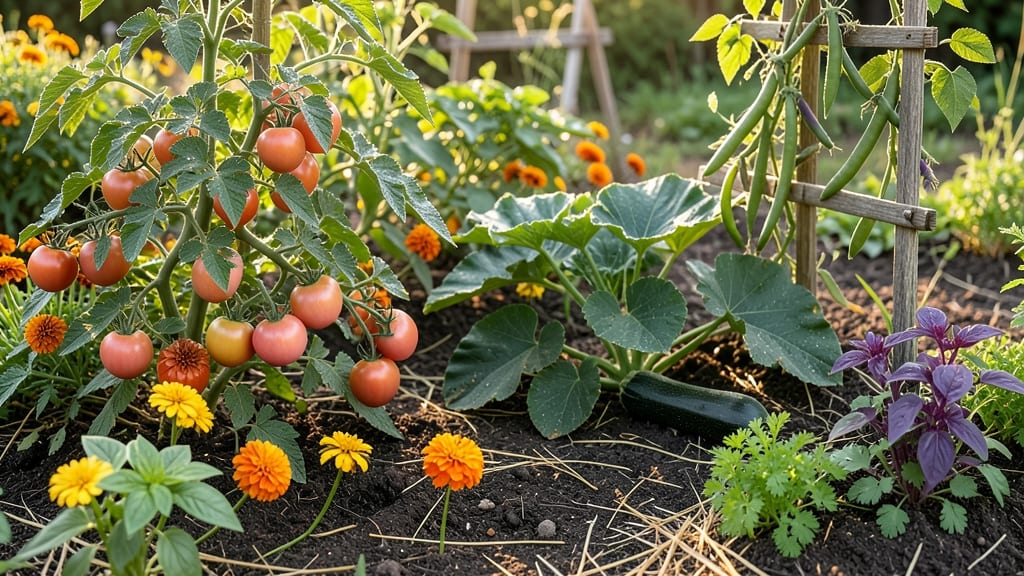
Grandma's garden pictures showcase timeless cottage-style gardens with climbing roses, fragrant herbs, and colorful flowers arranged in simple borders around a central vegetable patch or flowerbed. These layouts blend practicality with beauty, using hardy perennials and seasonal blooms to create low-maintenance spaces that feel both welcoming and productive.
These nostalgic garden designs have endured for generations because they solve real problems: hardy perennials like lavender and hollyhocks require minimal care while providing year-round interest, and companion planting (like marigolds with tomatoes) naturally deters pests. 🌸 The charm comes from their mix of edible and ornamental plants—grandma's gardens weren't just pretty, they were productive, with every plant serving a purpose whether for food, medicine, or simply joy.
Many modern adaptations keep this philosophy by using drought-resistant varieties and vertical gardening to save space while maintaining that classic "grandma's garden" feel.
What makes these layouts so appealing is their adaptability—whether you have a sprawling backyard or just a small balcony, you can recreate this look by focusing on layered borders and repeating plant families.
For example, pairing purple salvia with yellow marigolds creates instant visual harmony, while adding a trellis with climbing roses adds vertical interest without taking up ground space. The key is balancing structure (like neat borders) with natural growth (like letting herbs spill over edges) to achieve that effortless, lived-in beauty.
💡 In This Article
- Key Elements of Traditional Grandma’s Garden Layouts
- How to Recreate a Nostalgic Garden Design Today
Key elements of traditional grandma’s garden layouts
At the heart of grandma's garden pictures lies a functional yet whimsical approach to planting, where every element serves a purpose. The classic cottage-style layout revolves around a central feature—often a vegetable patch or large flowerbed—surrounded by neat, low borders filled with herbs, flowers, and edible plants.
This design isn't just decorative; it's a practical system that maximizes space while minimizing maintenance. For example, hardy perennials like lavender and peonies return year after year, reducing the need for replanting, while annuals like marigolds and pansies provide bursts of color that can be swapped out seasonally.
The companion planting technique was a cornerstone of these gardens, where plants were strategically paired to benefit each other.
Marigolds, for instance, were often planted near tomatoes to repel pests like nematodes, while basil improved the flavor of neighboring herbs. 🌿 This method wasn't just about aesthetics—it was a self-sustaining ecosystem that reduced the need for chemical interventions.
Many grandma's gardens also included fragrant herbs like rosemary and thyme along pathways, serving both practical (culinary) and sensory purposes, with their aromas wafting through the air as you walked. The result? A garden that was as useful as it was beautiful.
Seasonal blooms played a critical role in maintaining visual interest throughout the year. In spring, bulbs like daffodils and tulips would emerge, followed by early bloomers like pansies and violas. Summer brought in sunflowers, hollyhocks, and climbing roses, while autumn featured chrysanthemums and asters.
This layered approach ensured that even when some plants faded, others took over, creating a garden that felt alive and vibrant at every turn. The use of climbing roses on trellises or fences wasn't just decorative—it also saved space, allowing vertical growth where ground space was limited.
Historically, these layouts were adapted to regional climates and resources. In cooler, wetter climates like the Pacific Northwest, grandma's gardens might feature more shade-tolerant plants like ferns and hostas, while drier regions like the Southwest incorporated drought-resistant succulents and cacti.
The timeless appeal of these gardens lies in their simplicity and adaptability—principles that can be applied anywhere, from a rural homestead to a small urban backyard. The key was (and still is) focusing on plants that thrive with minimal intervention, allowing the garden to feel both welcoming and effortless.
Another defining feature was the mix of edible and ornamental plants, blurring the line between kitchen and garden. Grandma's gardens weren't just about beauty—they were productive spaces where every plant had a role.
A single bed might include roses for fragrance, herbs for cooking, and vegetables for the table, all arranged in a way that was both practical and pleasing to the eye.
This philosophy of multi-functional planting is what makes these layouts so enduring—they weren't just gardens; they were living, breathing extensions of the home.
Finally, the sensory experience was central to these designs. The rustle of leaves, the scent of blooming roses, the crunch of gravel paths underfoot—every element was chosen to engage the senses. Grandma's gardens weren't just visual; they were immersive spaces designed to be enjoyed, not just observed.
This holistic approach is why these layouts continue to inspire today, offering a connection to nature that feels both nostalgic and deeply satisfying. 🌸