
Tools
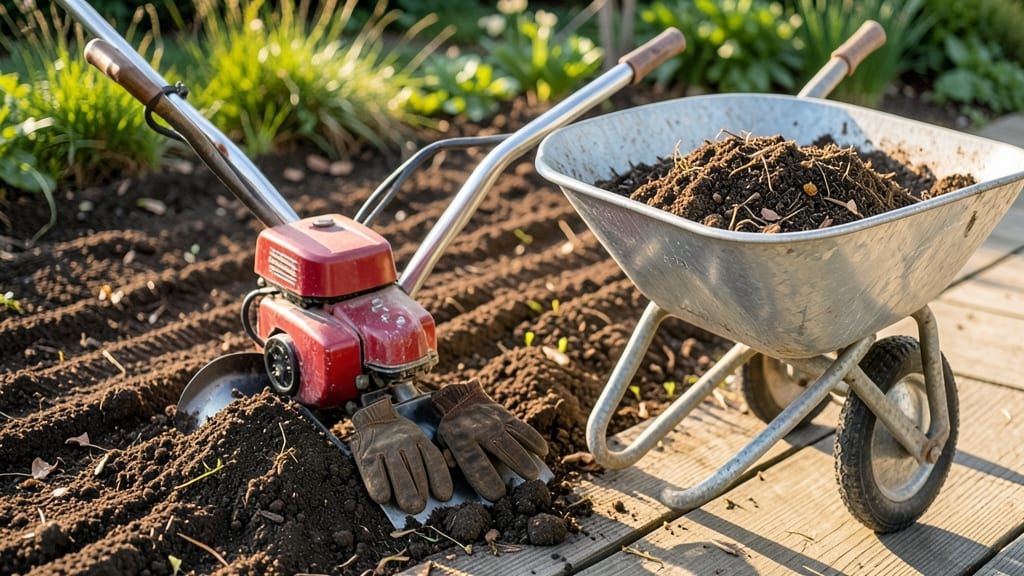
Tilling the garden means aerating the soil by loosening compacted earth, clearing weeds, and mixing in organic materials like compost to improve drainage and fertility before planting seeds or seedlings. The ideal timing varies by climate and plant type, but most gardeners aim to till 2-4 weeks before the last frost to let the soil stabilize and warm up.
When you till the garden, you're essentially giving your plants a head start by creating a loose, nutrient-rich environment. 🌱 This process breaks up hardpan layers that restrict root growth while also incorporating beneficial microbes from compost or aged manure.
Think of it like turning over a fresh sheet of mulch—you're not just clearing space, but actively improving the soil's ability to retain moisture and support plant health.
For example, in cooler climates, fall tilling helps prevent winter compaction, while spring tilling in warmer regions should wait until soil temperatures reach 50°F to avoid shocking tender roots.
What many gardeners overlook is that tilling too deeply or too frequently can actually harm your soil by destroying its natural structure. Instead, focus on 2-4 inches deep and only when necessary—like before planting or after heavy rain compacts the earth.
The key is balance: enough to prepare the bed, but not so much that you disrupt the delicate ecosystem beneath the surface.
💡 In This Article
- What Does 'Till the Garden' Actually Involve?
- Best Times to Till Your Garden by Region and Crop
What does 'till the garden' actually involve?
'Tilling the garden' is a hands-on process that transforms hard, compacted soil into a loose, crumbly medium perfect for root growth.
At its core, it involves breaking up the top 2-4 inches of soil to create air pockets that improve oxygen flow to roots while also eliminating weeds that compete with your plants.
The physical act of tilling mimics natural processes like frost heave and animal burrowing, which aerate soil over time. When done correctly, you'll see soil particles separate into individual clumps rather than forming a solid mass—this texture is critical for water infiltration and microbial activity.
Most gardeners use tools like broadforks, rototillers, or even hand shovels to achieve this.
A broadfork, for example, lifts and separates soil layers without flipping them upside down (which can bury organic matter too deep), while a rototiller churns the soil aggressively—ideal for heavy clay but potentially disruptive in sandy loam.
The key is to work when the soil is 60-70% moisture (like a damp sponge), as dry soil crumbles poorly and wet soil clumps together.
Incorporating 2-3 inches of compost or well-aged manure during this process adds essential nutrients and improves water retention—think of it as giving your soil a nutrient boost before planting season.
What most people don't realize is that tilling too aggressively or too frequently can damage soil health. Over-tilling destroys soil aggregates (those tiny clumps of particles), releases stored carbon dioxide, and kills beneficial microbes that help break down organic matter.
Instead, aim for a 'light touch' approach: till only when necessary (like before planting or after heavy rain) and never deeper than 4 inches. For example, vegetable gardens benefit from tilling in early spring, while perennial beds often only need occasional aeration with a broadfork to prevent compaction.
Another critical aspect is timing the tilling relative to planting. If you till too early in cold climates, the soil may not warm enough to support seed germination—ideal soil temperatures for most vegetables range between 50-75°F, depending on the crop.
For instance, cool-season crops like lettuce can handle 50-60°F soil, while warm-season tomatoes thrive in 70-80°F conditions. The 2-4 week window before planting allows time for the soil to settle and for any disturbed organic matter to begin decomposing, creating a stable environment for young roots.
Consider this visual: before tilling, your soil might look like a dense brick wall—hard and impenetrable. After proper tilling, it resembles a fluffy cake batter, ready to receive seeds or seedlings.
The difference isn't just aesthetic; it's about creating the perfect microclimate for roots to explore downward while shoots reach upward. For example, carrots and beets need loose soil to grow straight and long, while potatoes benefit from slightly firmer soil to prevent deformities. 🌱
Pro tip: If your garden soil is particularly heavy clay, mix in 10-20% coarse sand or perlite during tilling to improve drainage. For sandy soils, incorporate 30% compost or peat moss to add moisture retention.
These adjustments create the ideal balance for your specific soil type, ensuring your plants have the best possible start.