
Container Gardens
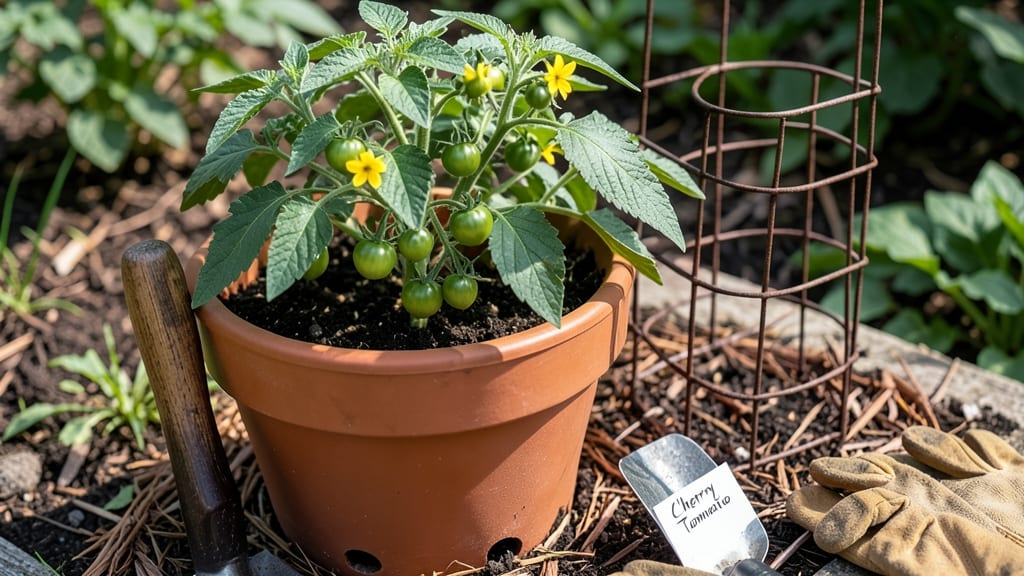
Growing a vegetable garden in pots lets you cultivate space-efficient crops like leafy greens, radishes, and cherry tomatoes by selecting fast-growing varieties, using lightweight potting mix, and providing containers with at least 12-inch depth and drainage. Position containers in full sunlight and maintain consistent moisture for optimal growth in limited areas.
Container gardening transforms small spaces into productive growing areas by focusing on vegetables that thrive in limited root zones. 🌱 The key is selecting plants with shallow root systems and quick harvest times, like bush beans or dwarf peppers, which mature before they outgrow their pots.
I've found that using self-watering containers helps maintain consistent moisture without overwatering, while adding organic compost to the potting mix provides essential nutrients for compact growth. This approach lets you grow fresh produce even on balconies or patios.
For best results, rotate containers occasionally to ensure even sun exposure and monitor soil moisture with your finger—top inch should feel dry before watering. 💧 Many urban gardeners swear by vertical gardening systems to maximize vertical space, while others prefer wide, shallow containers for spreading plants like lettuce.
The secret to success lies in matching plant needs to container size and sunlight conditions, ensuring your small-space garden produces just like a traditional in-ground plot.
💡 In This Article
- Best Vegetable Varieties for Container Gardening
- Essential Container Gardening Tips for Healthy Pots
Best vegetable varieties for container gardening
Container gardening success hinges on selecting vegetables with shallow root systems and rapid growth cycles. Plants like lettuce and spinach thrive in pots because their roots rarely exceed 6-12 inches deep, making them perfect for 5-8 inch deep containers.
These leafy greens also mature in 30-50 days, allowing multiple harvests in a single growing season. The key is their compact growth habit—lettuce varieties like 'Buttercrunch' grow just 12-18 inches tall, while spinach stays under 10 inches, both ideal for small spaces.
Root vegetables like radishes and carrots (short varieties) are excellent pot candidates because they mature quickly and don't require deep soil. Radishes like 'Cherry Belle' reach harvest size in just 25 days with roots only 1-2 inches long, fitting perfectly in 6-inch deep pots.
For carrots, choose 'Paris Market' varieties that grow to 2 inches long—their cylindrical shape prevents soil compaction in containers. 🥕 The science here is simple: shallow roots mean less soil volume needed, and fast maturity prevents overcrowding before harvest.
Tomatoes are container gardening superstars when you pick the right varieties. Cherry tomatoes like 'Tiny Tim' or 'Micro Tom' produce abundant fruit in 1-gallon containers because their vines stay under 12-18 inches tall.
These compact plants develop strong root systems that spread horizontally rather than vertically, making them ideal for small spaces. The trick is providing support stakes early—even dwarf varieties need guidance to prevent sprawling.
What most people don't realize is that container-grown tomatoes often ripen faster than ground-grown ones because the warm soil heats up quicker in pots.
Herbs offer another fantastic container option due to their shallow roots and slow growth. Basil, cilantro, and parsley all thrive in 6-inch pots with 4-6 hours of sunlight daily.
Basil, in particular, responds beautifully to container life—its leaves grow larger and more flavorful when roots aren't competing for space. The secret to herb success in pots is frequent harvesting: pinching back stems encourages bushier growth and prevents leggy plants that flop over container edges.
For those with limited sunlight, consider shade-tolerant greens like Swiss chard or kale. These plants handle 4-6 hours of sunlight and grow well in 8-inch deep containers. Their broad leaves provide excellent harvests while their fibrous roots anchor well in shallow soil.
The visual difference is striking—container-grown kale often develops more vibrant purple stems when given consistent moisture and nutrients. This makes them perfect for urban balconies where full sun isn't available.
When selecting varieties, always check seed packets for "container-friendly" labels—these indicate plants bred for small spaces. The most space-efficient crops typically fall into three categories: leafy greens (fast-growing), compact fruiting plants (like bush beans), and shallow-rooted herbs.
What most people overlook is that some plants actually perform better in containers than in ground soil because they receive more consistent moisture and nutrients without competition from weeds or larger plants.