
Size
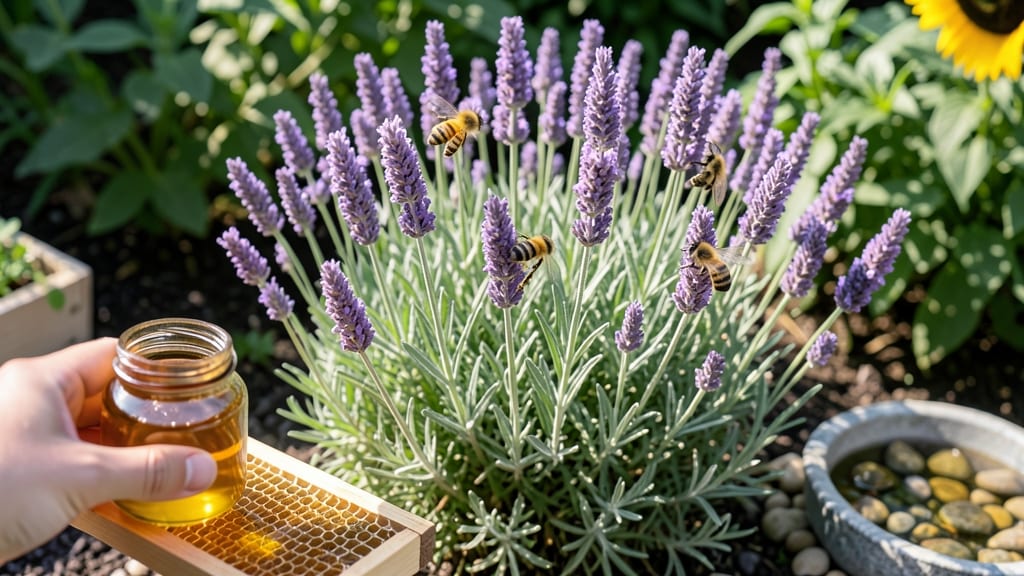
To grow honey in your garden, create a bee-friendly space by planting high-nectar flowers such as lavender, sunflowers, and borage, then either install a beginner-friendly beehive or collaborate with local beekeepers to harvest honey from your garden’s blooms.
Transforming your garden into a honey-producing haven starts with the right plants—those that provide abundant nectar and pollen. 🌸 Flowers like clover, fruit trees, and herbs (such as thyme or rosemary) are powerhouses for bees, offering year-round sustenance.
The key is variety: different blooming seasons ensure bees have food from spring through fall, which directly impacts honey production. Even small spaces can thrive with container-friendly options like bee balm or marigolds, making it accessible for urban gardeners.
Once your garden buzzes with activity, the next step is supporting the bees themselves. 🐝 Installing a beehive is simpler than you might think—beginner kits come with everything you need, and local beekeeping associations often offer workshops.
Alternatively, partnering with a beekeeper lets you share your garden’s bounty while they handle the harvest. Just remember: healthy bees mean richer honey, so provide clean water sources and avoid pesticides to keep your pollinators thriving.
💡 In This Article
- Best Pollinator Plants for Honey Production
- Step-by-Step Guide to Backyard Beekeeping
Best pollinator plants for honey production
Bees produce honey based on the nectar and pollen they collect, so the right plants are the foundation of your garden's honey potential. Clover is a top choice because it blooms prolifically from spring to fall, offering bees a steady food source.
A single acre of red clover can yield up to 200 pounds of honey, thanks to its high sugar content—about 25-30% sucrose in its nectar. 🌿 Other heavy-hitters include fruit trees like apples and cherries, which provide both nectar and pollen during their blooming seasons, typically 2-3 weeks per tree in spring.
Herbs like lavender and thyme pack a dual punch—they're rich in nectar and their compact growth makes them perfect for small gardens. Lavender, for example, produces nectar with a 30-40% sugar concentration, making it one of the most bee-friendly herbs.
Sunflowers are another standout, with their large, accessible flowers attracting bees in droves during their 6-8 week blooming period. For year-round production, mix early bloomers like crocus with late-season options like goldenrod, ensuring bees never run out of food.
Regional adaptations matter too. In cooler climates, fruit trees and berry bushes thrive in early spring, while summer-blooming perennials like coneflowers take over as temperatures rise. Southern gardens often benefit from citrus trees and milkweed, which attract bees while supporting monarch butterflies.
The key is diversity: a garden with plants blooming in 3-4 month intervals will keep bees active and honey production consistent. 🌸
Don't overlook the power of volume. A single 5-foot lavender bush can support hundreds of bees at once, while a 100-square-foot patch of clover can produce enough nectar for a small hive. Even container gardens can contribute—bee balm in pots attracts bees just as effectively as ground-planted varieties.
The more flowers you include, the more bees you'll attract, and the more honey you'll harvest from their efforts.
Consider the scent and color too. Bees are drawn to blue, purple, and yellow flowers because these colors reflect ultraviolet light, which they can see. Fragrant plants like rosemary and honeysuckle emit scents that guide bees in from long distances.
By combining high-nectar plants with those that attract bees from afar, you create a garden that's not just beautiful but also a honey production powerhouse. 🐝
One often-overlooked factor is the water source—bees need it to dilute honey and keep their hive cool. A shallow dish with pebbles and fresh water placed near your flowering plants will encourage bees to stay and work.
This small addition can double your garden's appeal to pollinators, leading to a more productive honey harvest. The science is simple: happy bees equal more honey. ✨