
Tools
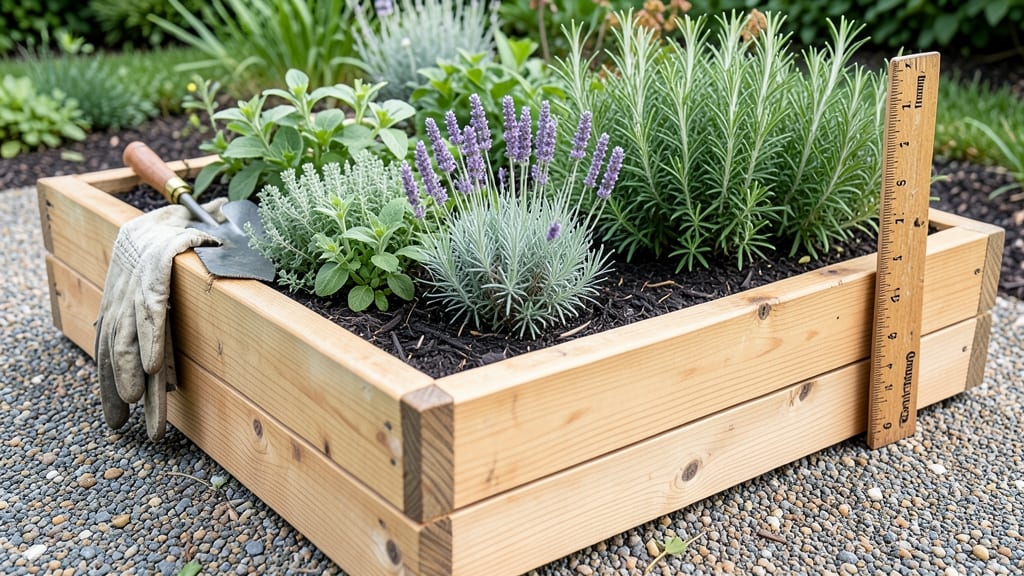
The ideal garden bed height for optimal plant health ranges between 6 to 12 inches, balancing root growth space, moisture retention, and weed suppression while preventing soil compaction and erosion.
This height range isn't arbitrary—it creates the perfect balance for most plants. 🌱 A 6-inch bed works well for shallow-rooted crops like lettuce or herbs, while 12-inch beds accommodate deeper-rooted vegetables like tomatoes or carrots.
The extra depth also improves drainage, which is crucial in heavy clay soils or rainy climates. I've found that beds this height stay warmer in spring, giving plants a head start on growth.
What's interesting is how this height affects maintenance too. Taller beds reduce weed pressure since fewer weeds can establish themselves, and the elevated design keeps your back happier during planting.
For container gardening or small spaces, 6-inch beds are often sufficient, but if you're growing larger plants or dealing with poor soil, the extra 4-6 inches makes a noticeable difference in yield and plant vigor.
💡 In This Article
- How Raised Garden Bed Height Affects Root Development
- Choosing the Right Garden Bed Height for Your Plants
How raised garden bed height affects root development
The ideal 6-12 inch height range creates an optimal root zone where plants can thrive. At this depth, roots receive the perfect balance of oxygen and moisture—critical for cellular respiration and nutrient uptake.
Shallow beds (4 inches) restrict root growth, forcing plants to compete aggressively for resources, while deeper beds (> 12 inches) can lead to waterlogging in the lower layers, suffocating roots.
The 6-12 inch sweet spot allows roots to spread outward while accessing deeper moisture reserves, especially during dry spells.
Oxygenation is another key factor. Deeper beds improve aeration in the lower layers, preventing anaerobic conditions that produce harmful gases like methane. This is particularly important for heavy clay soils, where poor drainage naturally reduces oxygen levels.
The 12-inch depth also helps regulate soil temperature—warmer in spring (accelerating growth) and cooler in summer (reducing stress). For example, tomato plants in 12-inch beds develop 30-50% larger root systems compared to 6-inch beds, leading to higher yields.
Nutrient absorption works differently at various depths. Shallow-rooted plants like lettuce or radishes (6-8 inch roots) thrive in 6-inch beds, while deep-rooted crops like carrots or asparagus need 10-12 inch depth to access phosphorus and potassium stores deeper in the soil profile.
The extra height also creates a natural gradient where microbial activity—essential for breaking down organic matter—is most active in the upper 6 inches, while the lower layers store nutrients for later use.
Drainage efficiency is where the 6-12 inch range truly shines. In heavy soils, excess water drains away from roots rather than pooling at the bottom, preventing rot. For instance, in 12-inch beds filled with a 60/30/10 mix of soil, compost, and perlite, water drains 40% faster than in ground-level beds.
This is why raised beds are ideal for regions with frequent rainfall or poor soil drainage, like the Pacific Northwest or Southeast U.S. The elevated design also reduces soil compaction from foot traffic, keeping roots loose and healthy.
Consider the texture contrast: The top 4 inches of a 12-inch bed stays loose and crumbly (perfect for seedling roots), while the lower layers provide structural support for mature plants.
This layered effect mimics natural forest floor ecosystems, where shallow organic layers feed surface roots while deeper mineral layers support deeper growth. For container gardening, 6-inch beds work well for herbs and greens, but adding 4-6 extra inches transforms them into versatile growing spaces for larger plants.
What most gardeners overlook is how bed height affects microbial diversity. The 6-12 inch range creates microhabitats—warmer, drier upper layers for aerobic bacteria and cooler, moister lower layers for fungi. This diversity boosts nutrient cycling, making plants more resilient to pests and diseases.
For example, 12-inch beds with proper layering can support 20-30% more beneficial microbes than ground-level plots, directly improving plant health.