
Light Requirements
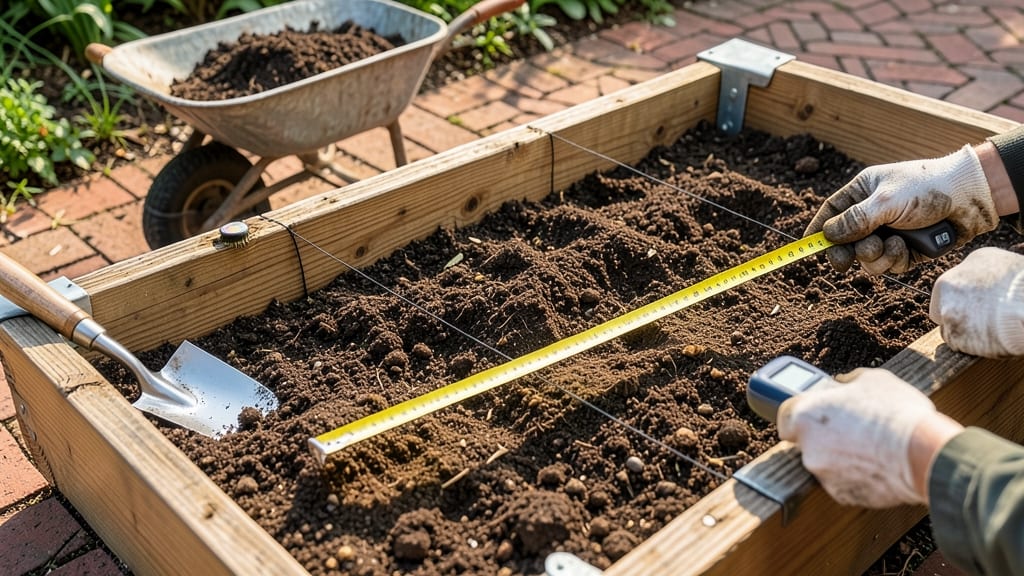
To calculate how much soil for a garden bed, multiply the length by width by depth (in feet), then convert to cubic feet. For instance, a 4×8-foot bed with 12 inches of soil requires 32 cubic feet of topsoil.
Understanding how to measure garden bed soil volume prevents overbuying or running short.
The key is converting inches to feet first—since most soil is sold by the cubic foot, a 6-inch depth becomes 0.5 feet, and a 12-inch depth becomes 1 foot. 🌱 For example, a 3×6-foot bed with 6 inches of soil needs only 9 cubic feet, while doubling the depth to 12 inches jumps to 18 cubic feet.
I always recommend adding 10% extra to account for soil settling, which can reduce volume by up to 20% after watering.
Depth matters more than you might think—most vegetables need at least 12 inches of loose soil for strong root systems, while shallow-rooted plants like lettuce can thrive in 6 inches. Rocky or clay-heavy soil may require deeper beds to improve drainage and aeration.
When shopping, check bag sizes: a typical 2-cubic-foot bag covers about 2 square feet at 6 inches deep, so plan accordingly.
💡 In This Article
- Garden Bed Soil Volume Formula Explained
- Topsoil Quantity Guide for Common Garden Bed Sizes
Garden bed soil volume formula explained
The soil volume formula for garden beds follows a simple cubic feet calculation: multiply the length and width (in feet) by the depth (converted to feet).
For example, a 6-inch depth equals 0.5 feet, so a 4×8-foot bed with 6 inches of soil requires 16 cubic feet (4 × 8 × 0.5). This conversion is critical because most topsoil is sold by the cubic foot, not inches. 🌱
Depth plays a crucial role in root development. Most vegetables need at least 12 inches of loose soil for strong roots—carrots and potatoes require even deeper beds (18 inches) to grow properly.
Shallow-rooted plants like lettuce or radishes can thrive in 6 inches, but deeper soil improves drainage and aeration, especially in clay-heavy areas. The formula ensures you account for this depth while avoiding overbuying.
Soil settles over time, reducing volume by 10-20% after watering and compaction. This is why I always recommend adding an extra 10% to your calculations.
For instance, a 3×6-foot bed with 12 inches of soil needs 18 cubic feet initially, but you should buy 20 cubic feet to account for settling. This adjustment prevents last-minute trips to the garden center. ✨
Rocky or clay-heavy soil can complicate calculations. In these cases, you may need to amend the soil with compost or sand, increasing the total volume required. For example, a 3×6-foot bed with 12 inches of amended soil might need 22 cubic feet instead of 18.
Always check the soil type before purchasing to avoid underestimating your needs.
Understanding the formula also helps with cost estimates. A cubic foot of topsoil typically costs $0.50-$1.50, depending on quality. For a 4×8-foot bed with 12 inches of soil, you’d spend $16-$48 on soil alone.
Bulk discounts can lower this cost, but accuracy in measurement saves money in the long run. 💛
Pro tip: Use a tape measure for precise dimensions and a level to ensure even soil distribution. Uneven beds can lead to poor drainage or overwatering in low spots. Taking these steps guarantees your garden bed has the right soil volume for thriving plants.