
Vegetables
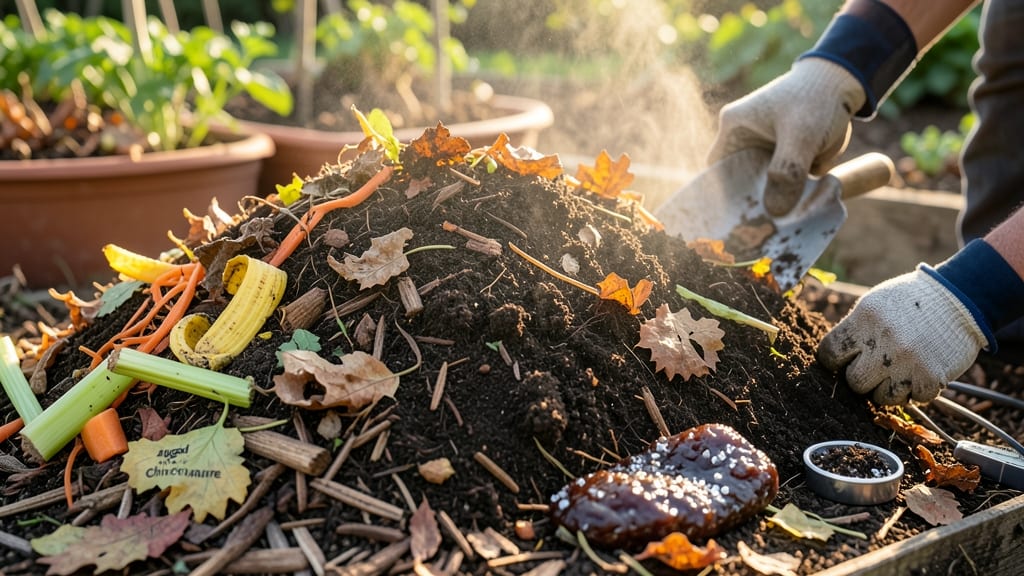
Chicken poop is good for gardens when properly composted, providing a nitrogen-rich fertilizer that promotes healthy plant growth, but raw manure can burn plants and harbor pathogens. Always compost for at least 6 months before use.
Composted chicken manure is a gardener's secret weapon because it delivers a powerful nitrogen boost while also supplying phosphorus and potassium in balanced proportions. 🌱 The key lies in its decomposition process—when aged correctly, it transforms from a raw, potentially harmful material into a nutrient-dense soil amendment that vegetables like tomatoes and peppers absolutely thrive on.
I've seen firsthand how composted chicken manure can turn struggling soil into a lush growing medium within a single season.
What sets chicken manure apart from other organic fertilizers is its high nitrogen content, which is crucial for leafy greens and fast-growing plants. However, the composting process is non-negotiable—raw manure contains ammonia that can scorch plant roots and harmful bacteria like salmonella.
The 6-month aging requirement ensures these risks are eliminated while preserving all the beneficial nutrients.
💡 In This Article
- Nutritional Breakdown: Why Chicken Manure Supercharges Soil
- Safe Chicken Manure Composting Methods for Gardeners
Nutritional breakdown: why chicken manure supercharges soil
Chicken manure is a powerhouse fertilizer because it contains three times more nitrogen than cow manure, making it ideal for nitrogen-hungry plants like leafy greens and corn. 🌱 The nitrogen content typically ranges from 1.5% to 2.5% by weight, which is comparable to synthetic fertilizers but with the added benefit of organic matter that improves soil structure.
This high nitrogen level promotes rapid leaf growth and vibrant foliage, but it also means you need to compost it properly to avoid overloading the soil with ammonia.
The decomposition process transforms raw chicken manure into a nutrient-rich soil amendment through microbial action. When composted correctly, it breaks down into humus, which contains not just nitrogen but also phosphorus (0.5-1.5%) and potassium (0.5-1.0%).
These three primary nutrients work together to support root development, flowering, and overall plant health. Unlike synthetic fertilizers, composted chicken manure also provides micronutrients like calcium, magnesium, and sulfur, which are essential for plant metabolism but often lacking in chemical alternatives.
What makes chicken manure unique is its carbon-to-nitrogen (C:N) ratio of 10:1 to 20:1, which is much lower than other organic materials like straw (which has a 80:1 ratio). This means it decomposes quickly when composted properly, releasing nutrients in a form that plants can easily absorb.
However, this rapid decomposition is also why raw chicken manure can burn plants—its high nitrogen content converts to ammonia, which is toxic to roots at high concentrations. The composting process neutralizes this risk by stabilizing the nitrogen into a slower-release form.
For comparison, cow manure has a C:N ratio of 20:1 to 30:1 and decomposes more slowly, while horse manure sits between 15:1 and 25:1. Chicken manure's faster decomposition rate means it needs more frequent turning and moisture control during composting.
When fully composted, it resembles dark, crumbly soil rather than the chunky, recognizable manure you start with—a visual cue that it's safe to use in your garden.
One often overlooked benefit is how composted chicken manure improves soil aeration and water retention. The organic matter breaks down into humus, which creates tiny pores that hold moisture while allowing oxygen to reach plant roots.
This is particularly valuable in heavy clay soils where drainage is poor or sandy soils where moisture drains too quickly. The result is a balanced growing medium that supports both root development and nutrient uptake.
To maximize benefits, mix composted chicken manure into the top 6 inches of soil at a rate of 1-2 inches per square foot for vegetable gardens. For ornamental plants, use half that amount to avoid over-fertilizing.
The key is patience—rushing the composting process can leave you with a product that's still too "hot" for delicate plants, so always err on the side of longer aging times.