
Pests
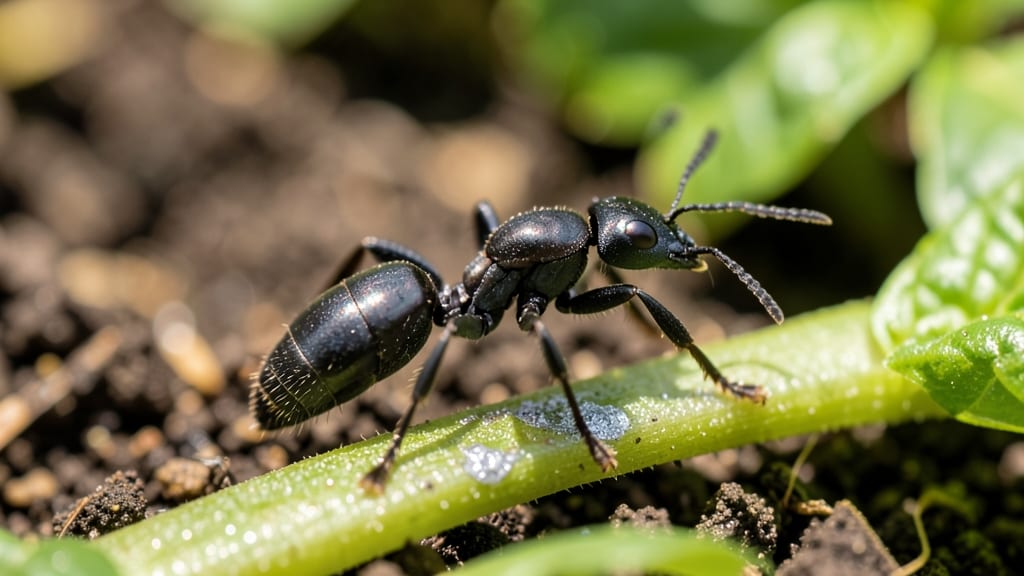
Having ants in your garden isn’t inherently bad—they aerate soil, disperse seeds, and prey on pests like aphids, but certain species (e.g., carpenter ants) can damage plants or structures. Monitor their activity to balance benefits and risks.
Ants actually play a crucial role in maintaining garden ecosystems by breaking down organic matter and improving soil structure through their tunneling. 🌱 However, their impact varies by species—some, like harvester ants, help control weeds, while others, such as fire ants, can harm seedlings or disrupt beneficial insects.
The key is observing their behavior: if you notice large mounds or aggressive trails, it may signal a need for intervention.
For most gardeners, a few ants aren’t a problem, but their presence can indicate underlying issues like poor drainage or excessive moisture. 🔍 I recommend checking for signs of damage to plant roots or stems, as this often reveals whether the ants are helping or hindering your garden’s health.
When in doubt, natural deterrents like citrus peels or diatomaceous earth can help manage their populations without harming your plants.
💡 In This Article
- How Ants Impact Garden Soil and Plant Health
- When to Remove Ants and Natural Control Methods
How ants impact garden soil and plant health
Ants act as tiny soil engineers, creating intricate tunnel systems that improve drainage and aeration. Their burrowing activities break up compacted soil, allowing roots to penetrate deeper and access nutrients more efficiently.
Studies show that gardens with active ant colonies often have soil with 20-30% higher porosity than disturbed soil, which translates to healthier plant growth. This tunneling also accelerates organic matter decomposition by exposing it to microbial activity and oxygen.
The benefits extend to seed dispersal and nutrient cycling. Many ant species collect seeds, either consuming them or burying them in their nests—this process can increase seed germination rates by 15-25% for certain plants.
Fire ants, for example, are notorious for disrupting this balance by aggressively preying on beneficial insects like ladybugs and lacewings, which are natural aphid predators.
Meanwhile, harvester ants primarily feed on seeds and weeds, making them allies in garden maintenance. 🌱 Their foraging patterns also redistribute nutrients across the garden, creating micro-fertility hotspots.
However, not all ants contribute equally. Carpenter ants, for instance, don’t eat plants but instead tunnel through wood and plant stems, creating entry points for fungal infections. Their presence often signals moisture issues in the garden, as they thrive in damp environments.
Fire ants, with their painful stings, can deter pollinators like bees, reducing fruit and vegetable yields by up to 30% in severe infestations. The key is identifying which species dominate your garden and understanding their specific behaviors.
Ants also play a role in pest control by preying on garden pests like aphids, mealybugs, and caterpillars. A single colony of 5,000-10,000 worker ants can consume thousands of pests annually, effectively reducing the need for chemical interventions.
This predatory behavior is most pronounced in species like pavement ants and little black ants, which actively hunt for soft-bodied insects. However, their pest-control benefits diminish when they start protecting harmful insects like scale or whiteflies in exchange for honeydew.
To assess whether your ants are helping or hindering, observe their trails and nesting sites.
Beneficial ants typically create small, scattered mounds with minimal disturbance to plant roots, while invasive species like fire ants build large, dome-shaped mounds that can smother nearby plants. 🔍 Pay attention to plant health—yellowing leaves or stunted growth near ant trails may indicate overgrazing on roots or seedling damage.
Regular soil tests can also reveal how ant activity affects nutrient levels, helping you make informed decisions about garden management.