
Advice
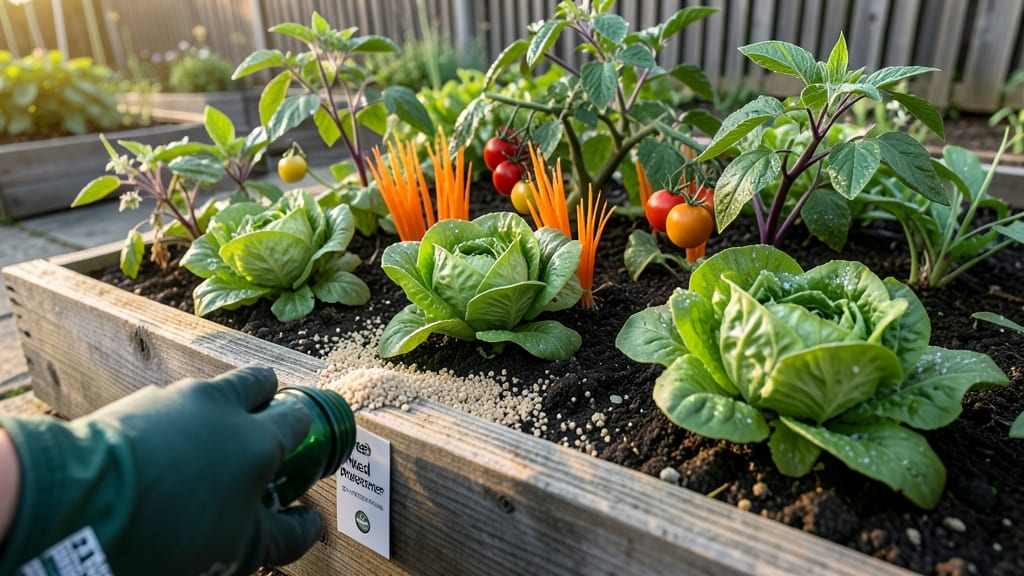
This Preen is safe for vegetable gardens when following label instructions, as its primary components like corn gluten meal inhibit weed seeds without damaging edible plants. That said, some versions include synthetic additives that may leave residues lasting for months, so harvest timing matters.
Preen's safety hinges on its formulation—organic versions rely on natural corn gluten meal, which breaks down into amino acids that feed soil microbes while preventing weed seeds from sprouting. 🌱 The synthetic versions, however, might contain herbicides that require a 30- to 90-day waiting period before harvesting leafy greens or root vegetables.
I've found that applying it before planting (rather than mid-season) gives edible crops the longest buffer against potential residue concerns.
For gardeners prioritizing organic methods, corn gluten-based Preen is a solid choice, especially in areas with persistent weeds like crabgrass or chickweed. Just remember: while it won't harm mature vegetables, young seedlings might compete with its weed-suppressing effects. Always spot-test in a small garden area first to monitor plant reactions.
💡 In This Article
- How Preen Works in Vegetable Gardens: Active Ingredients and Weed Control
- Safety Precautions: When and How to Apply Preen Near Edible Plants
How Preen works in vegetable gardens: active ingredients and weed control
The core of Preen's effectiveness lies in its active ingredients, which vary between organic and synthetic formulations. Organic versions primarily use corn gluten meal, a byproduct of corn processing that contains about 60% protein.
When applied to soil, this protein breaks down into amino acids like glutamic acid, which disrupts the hormonal signals that trigger weed seed germination. This process, called allelopathy, creates a hostile environment for weeds without harming established plants.
Synthetic Preen formulations, on the other hand, often include pendimethalin or dithiopyr, which work by inhibiting cell division in weed seedlings. These chemicals prevent weeds from developing roots or shoots, effectively starving them before they emerge.
The difference in mechanism explains why organic Preen has a broader spectrum of activity (suppressing all weed seeds) while synthetic versions target specific weed types like crabgrass or chickweed. 🌱 What's fascinating is how corn gluten meal also feeds beneficial soil microbes, creating a positive feedback loop that improves soil health over time.
When applied correctly, Preen creates a protective barrier on the soil surface that blocks sunlight from reaching weed seeds. This is particularly effective in vegetable gardens where weeds compete for nutrients and water.
For example, a 20-pound bag of corn gluten meal covers about 1,000 square feet when applied at a rate of 20 lbs per 1,000 sq ft. The granular texture helps it adhere to soil particles, while its slow-release nature provides protection for 3-4 months per application.
This makes it ideal for pre-planting applications in spring or fall.
However, the effectiveness depends on soil moisture. Preen needs to be watered in immediately after application to activate its weed-suppressing properties. In dry conditions, the granules can remain inert on the soil surface, reducing their ability to prevent weed growth.
This is why many gardeners apply it after a light rain or water it in thoroughly within 24 hours. The breakdown products from corn gluten meal also contribute to soil organic matter, improving texture and water retention over time.
For gardeners concerned about chemical residues, organic Preen's breakdown into amino acids is a significant advantage. These compounds are naturally occurring in soil and are quickly utilized by microbes and plants. In contrast, synthetic herbicides can persist longer, which is why they require careful timing around harvest.
The key difference is that corn gluten meal becomes part of the soil ecosystem, while synthetic actives remain as foreign compounds until they degrade.
Consider this comparison: Organic Preen's weed suppression lasts about 3-4 months and improves soil health, while synthetic versions may provide 4-6 months of weed control but without the soil benefits. The choice often comes down to whether you prioritize organic gardening practices or maximum weed control duration.
Both types work through different mechanisms but achieve similar surface-level results in vegetable gardens.