
Tools
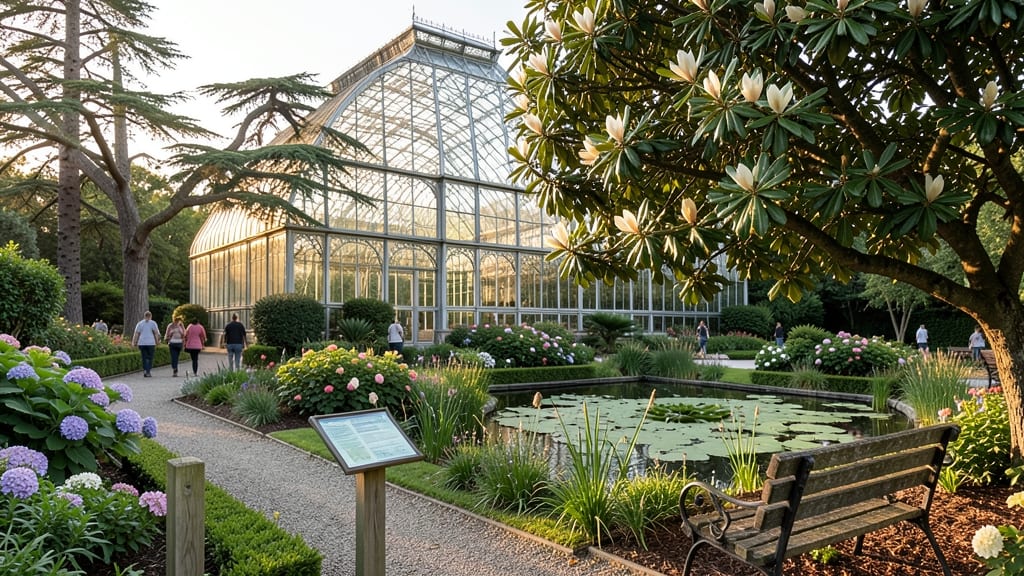
The largest botanical garden in the US is the New York Botanical Garden (NYBG) in the Bronx, spanning 250 acres with over 1 million living plants across 50+ themed gardens, including rare orchids, towering trees, and global ecosystems. It’s a world-class destination for horticulture enthusiasts and researchers alike.
The New York Botanical Garden isn't just big—it's a living museum where you can walk through a tropical rainforest one moment and stroll past century-old oak trees the next. 🌿 Its 250-acre expanse includes specialized collections like the Thain Family Forest, home to rare native trees, and the Enid A. Haupt Conservatory, which houses over 1,000 orchid species.
What makes NYBG truly special is how it blends education with conservation, hosting research programs that protect endangered plants from around the world.
Whether you're a plant lover or just visiting with kids, the garden offers something unforgettable. The Pinetum showcases 100+ pine species, while the Desert Garden transports you to arid landscapes.
Pro tip: Weekday mornings are less crowded, and spring (April–May) brings the most vibrant blooms. Don’t miss the Secret Garden, a hidden gem perfect for quiet reflection.
💡 In This Article
- NYBG’s Global Ecosystems and Rare Plant Collections
- Planning Your Visit: Best Seasons, Hidden Gems, and Pro Tips
NYBG’s global ecosystems and rare plant collections
The New York Botanical Garden’s 250-acre scale isn’t just about space—it’s about creating microclimates that replicate ecosystems from around the world.
The Enid A. Haupt Conservatory alone spans 100,000 square feet, housing 5,000+ plant species in climate-controlled zones that mimic tropical rainforests, deserts, and temperate forests. 🌿 Inside, you’ll find the Orchid Showcase, featuring over 1,000 orchid species, including rare hybrids like the Phalaenopsis with flowers measuring up to 8 inches across.
Beyond the conservatory, NYBG’s Thain Family Forest spans 100 acres and is home to 1,500+ tree species, including ancient oaks and rare conifers like the Ginkgo biloba, a living fossil dating back 270 million years.
The garden’s conservation programs focus on preserving threatened species, such as the Franklin Tree (Franklinia alatamaha), which was once thought extinct but now grows in NYBG’s collections. Scientists here study plant genetics to combat climate change, making NYBG a hub for global biodiversity research.
What sets NYBG apart is its climate-controlled gardens, like the Desert Garden, where cacti and succulents thrive in 90°F+ temperatures and 5% humidity—conditions mimicking the Sonoran Desert.
Meanwhile, the Pinetum showcases 100+ pine species, including the Pinus longaeva, the world’s oldest non-clonal tree species, with some specimens over 4,000 years old. These curated environments allow visitors to experience diverse habitats without leaving New York.
The garden’s research archives hold 7 million preserved plant specimens, including seeds from extinct species. For example, NYBG’s Seed Bank stores seeds from 90% of the world’s crop wild relatives, ensuring genetic diversity for future agriculture.
This work directly supports global food security efforts, making NYBG’s collections more than just a tourist attraction—they’re a living library for science.
For plant enthusiasts, NYBG’s specialized collections offer unparalleled depth. The Rhododendron Garden features 2,500+ rhododendrons and azaleas, while the Japanese Hill-and-Pond Garden blends traditional design with native species. Even the Children’s Garden teaches sustainability through interactive exhibits, proving NYBG’s commitment to education spans all ages. 🌱
Visitors often overlook the Greenhouse Complex, where rare plants like the Venus flytrap (Dionaea muscipula) and carnivorous pitcher plants thrive in high-humidity environments. These plants aren’t just visually striking—they’re critical for studying plant-animal interactions and adaptation.
NYBG’s ability to cultivate such diverse species in one location makes it a one-of-a-kind resource for both researchers and casual explorers.